The Transformation of an Agricultural Valley into a City
Nestled in the lush Santo Domingo Valley, where endless fields of crops thrive, a vibrant community emerged that would become the heartbeat of Comondú: Ciudad Constitución. Its fascinating history is woven into the story of agricultural colonization in the mid-20th century, when families from the Mexican interior flocked to Baja California Sur, eager for new opportunities and fertile land to cultivate. This blend of ambition and nature laid the foundation for a city rich in culture and community spirit.
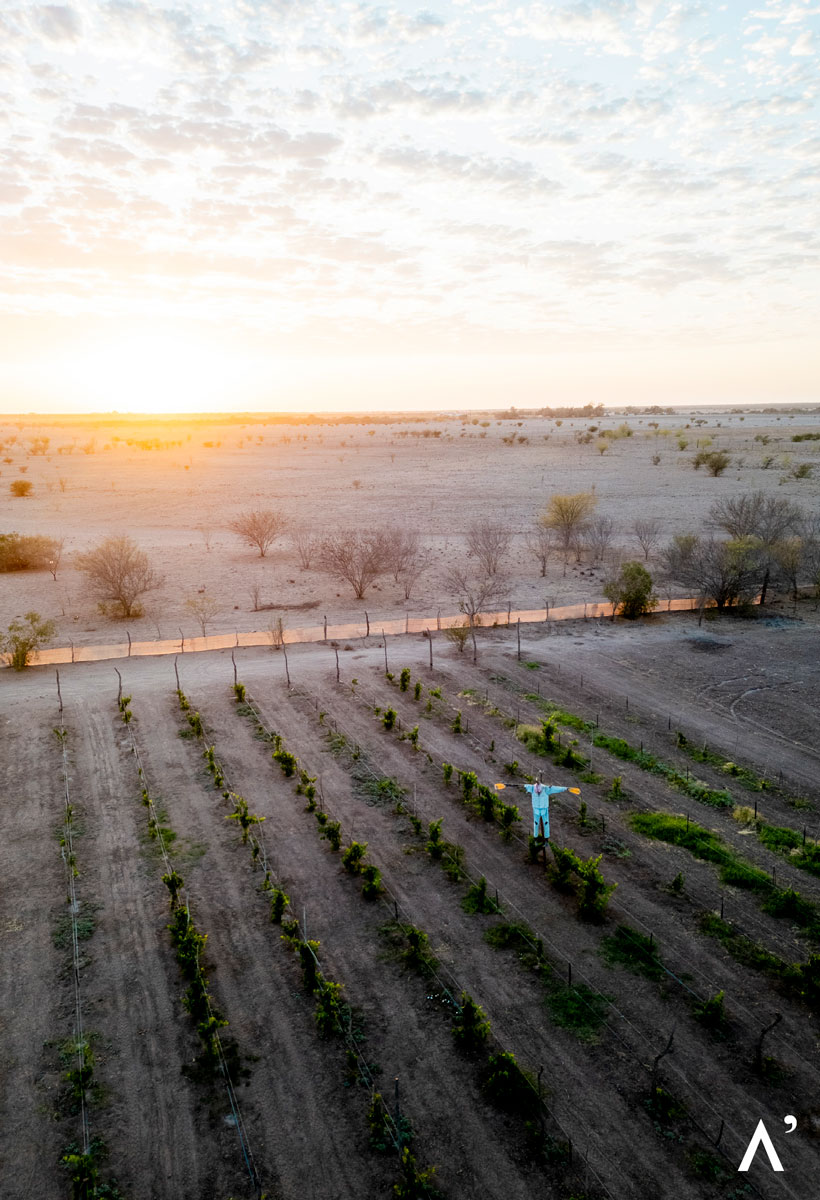
In the beginning, the settlement was a small hamlet known as ‘El Crucero’, named for its location at the intersection of the roads connecting La Paz to the northern part of the state. Starting in the 1940s, the construction of deep wells and irrigation systems allowed the region to utilize its groundwater, leading to remarkable agricultural growth. The Valle de Santo Domingo became known for its production of cotton, wheat, and, later, citrus fruits, asparagus and dates, which attracted hundreds of farming families to the area.
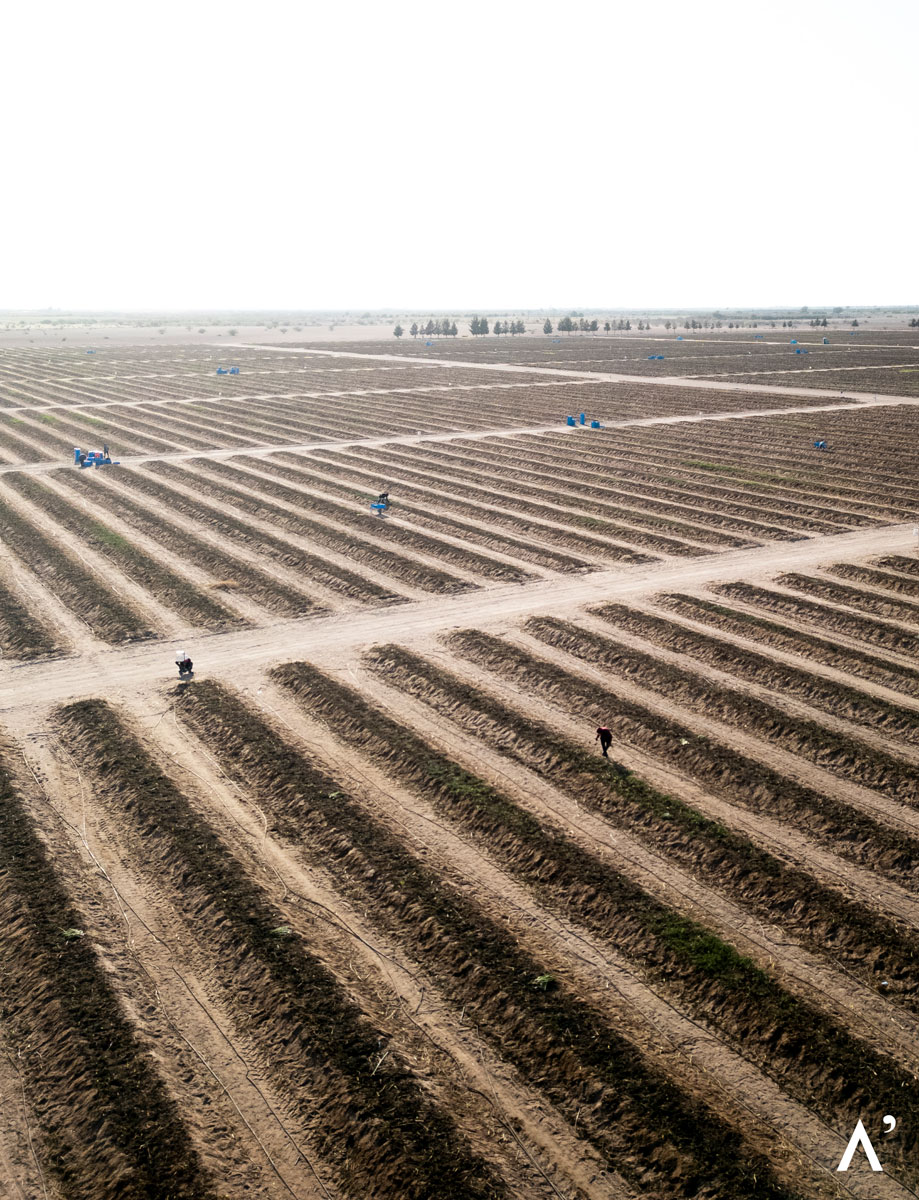
The growth of Ciudad Constitución was so rapid that, in 1953, when the municipality of Comondú was officially established, it was designated as the capital. This decision was not arbitrary; the town already had an intense concentration of commerce, essential services, public offices, and a population that surpassed that of neighbouring communities like San Carlos, Ciudad Insurgentes, and Villa Ignacio Zaragoza.
Urban planning is a key distinguishing feature of Constitución. Unlike the older mission or coastal towns in Baja California Sur, Ciudad Constitución was constructed in the agricultural desert with a modern layout characterized by wide streets and well-defined blocks, allowing for organized growth. This thoughtful urban design remains one of the town’s most notable attributes.

In the following decades, Ciudad Constitución solidified its status as the agricultural and economic centre of the region. The establishment of schools, the introduction of the UABCS with a local campus, and the development of health infrastructure strengthened its role as a meeting point for the communities from both the valley and the coast.
Today, Ciudad Constitución serves as a beacon of collective effort and social transformation. From its humble beginnings as a dusty crossroads, it has evolved into a vibrant and dynamic city, continuously developing. With a strong foundation in agriculture, it boldly embraces the future through educational, cultural, and tourism initiatives.