A Bold and Inspiring Vision
I must confess, Enoc Leaño, that when I first saw the program for the La Toba International Film Festival, I was surprised and thought, “What an ambitious program!” Now that I have witnessed how it unfolded each day, I am genuinely amazed. The energy and enthusiasm of the participants have been nothing short of inspiring. From dynamic discussions and captivating book presentations to meaningful school screenings and engaging visits to diverse neighbourhoods, including districts like Puerto San Carlos and Villa Zaragoza, the activities were diverse and enriching. The festival has been a rich tapestry of creativity and connection. It’s been a remarkable journey that has left a lasting impression on all of us!
I am deeply touched by everything I have experienced here this week. During the presentation of the book “Historias fuera de la caja” (Stories Outside the Box), I came across a phrase that resonated with me: “If you want to understand a community, have coffee in one of its kitchens.”
Enoch: I agree. In fact, as I once told you, this festival wouldn’t exist if it weren’t for my mom. She truly inspired the community, planting the seeds for what would become this festival celebration of new friendships and connections. I remember countless afternoons spent in her kitchen, the air filled with the aroma of freshly brewed coffee.
My son is also involved in this. He is currently in Korea and couldn’t join us for the third edition of the La Toba International Film Festival. Yesterday, he wrote to me that he had flown from Korea to Vietnam and is keeping an eye on how the festival is progressing. One distinguishing feature of this festival is its incredible emotional depth, with emotions present every day. It’s truly remarkable.
The Value of Roots
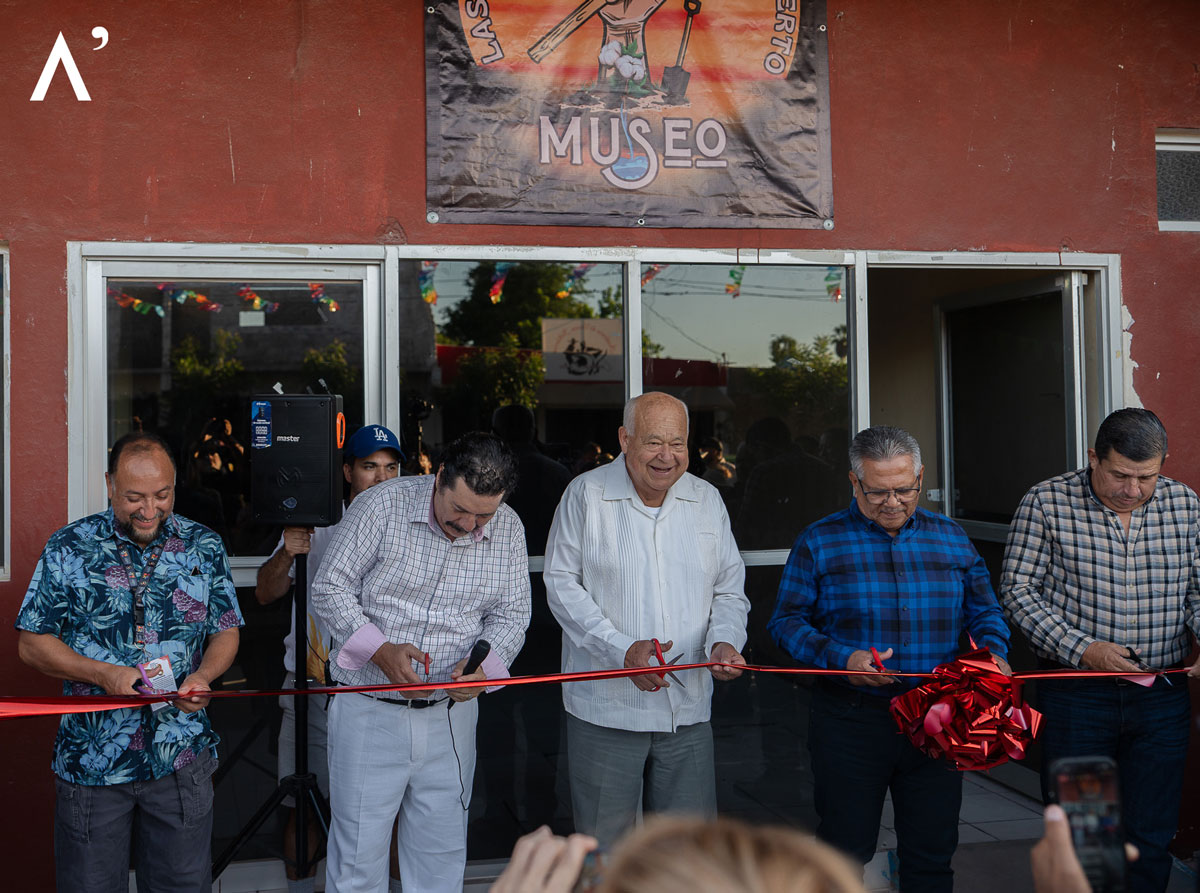
What has touched my heart the most is the love these individuals have for their roots. We are currently at the Museum of the Desert Conquerors. How was this museum conceived?
Enoc: Last year, I thought to myself, “We have a rich history, but we lack a place to preserve it. We don’t have a museum.” So, I decided to create one. After all, how can we ask the authorities to build a museum if the first question they will ask is, “What for?” This is why we are establishing the need for it.
Last year, we hosted the event in a small room within an old warehouse that used to function as a shop. Ironically, the new shop is now called “A Small Museum.” To our surprise, many people attended and viewed some pieces –ranging from vintage photographs until machines, radios and many other objects–. The following morning, eight items were left at our door, seemingly abandoned like children, as contributions to the museum. Later, in the afternoon, a van arrived with even more donations. Therefore, we decided that this year we would use a larger space.
The space we are currently in was abandoned. A farmer from Benito Juárez, a nearby village, lent me a crew of men to clean it up. This space has its shortcomings, but we intervened and set up various pieces that ultimately connect people with their history.
We are fortunate that some of the people who founded Fernando de la Toba are still alive. Their direct descendants—children, grandchildren, and great-grandchildren—are here with us. I have deep roots in this land; my paternal grandfather was a colonizer who arrived here during the cotton boom. My parents met and settled here, and I, too, have been planted in this community. Many others share a similar story. Although our museum may lack professional display techniques, it is filled with emotion and significance.
The Miracle of the Mexican American Mural
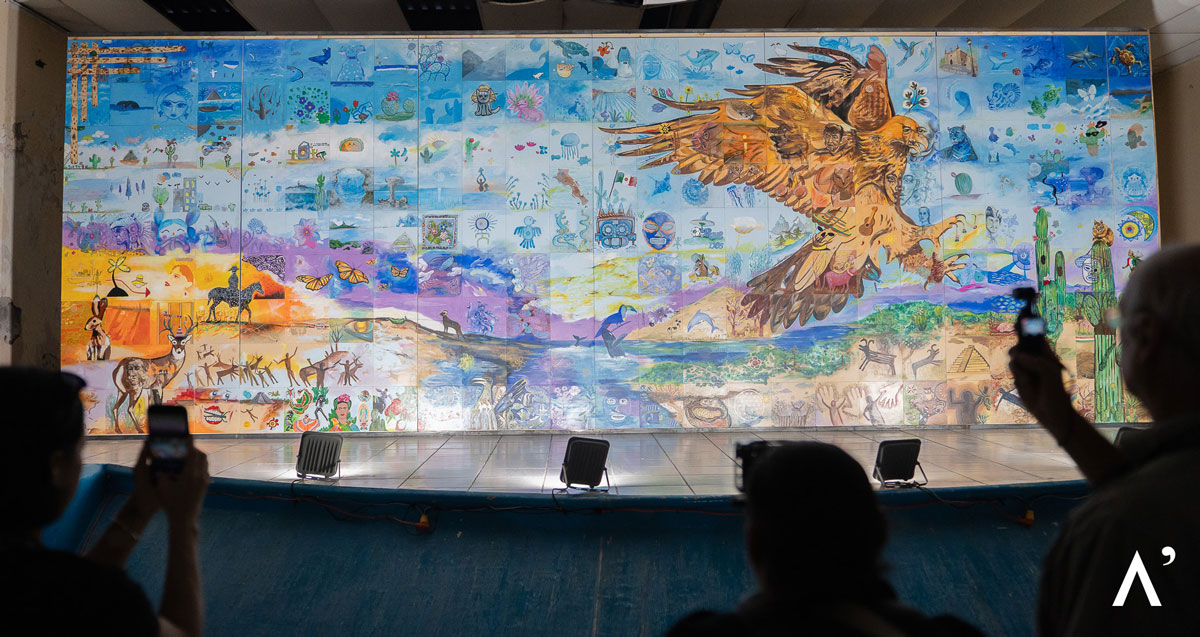
The mural is one of many miracles created by the festival, which generates remarkable events every year. The first miracle was the laying of the first stone for the campus of the Autonomous University of Baja California Sur. This project had been on hold but suddenly came to life. The mural was proposed by Heber Sánchez, a Salvadoran who is now a Canadian citizen. The project is ambitious: it consists of 320 paintings, each measuring 30 by 30 centimeters, with half of the work completed in Canada and the other half in Comondú.
The mural is titled ‘América Mexicana’ (Mexican América) and features an eagle that symbolizes the unity of the entire continent. A different artist creates each section of the mural, each conveying a unique message. However, when viewed from a distance, the whole mural—approximately 3 meters high and 7 meters long— can be appreciated as a cohesive piece.
Transporting the pieces from Canada was complicated due to customs duties, but we successfully classified them as handicrafts to get them through. The metal arch that supports the mural was constructed in less than 24 hours, as we needed to wait to assemble the pieces. Currently, the mural is temporarily in place, but it will be relocated to a secure location tomorrow.
A Celebration of Enthusiasm and Dedication to Community
For me, the essence of the La Toba International Film Festival lies in bringing people together. We are excited to announce that we will be awarding $39,000 pesos in cash prizes, along with other prizes and awards. We have numerous commitments, and we are nearly 100% on track to fulfill them.
Enoc, you dedicate your time to filming and releasing numerous series and films, and it’s commendable that you return to your roots, to the place where you were born, and pour such passion into the community. You are truly inspiring. In your first interview, you mentioned that this initiative is a cultural guerrilla movement, and that is precisely what it is. It aims to change the mindset of young people by bringing them closer to opportunities in writing, script development, and documentary creation. This renewed perspective offers them a different way of thinking.
The Festival as a Cultural Portal
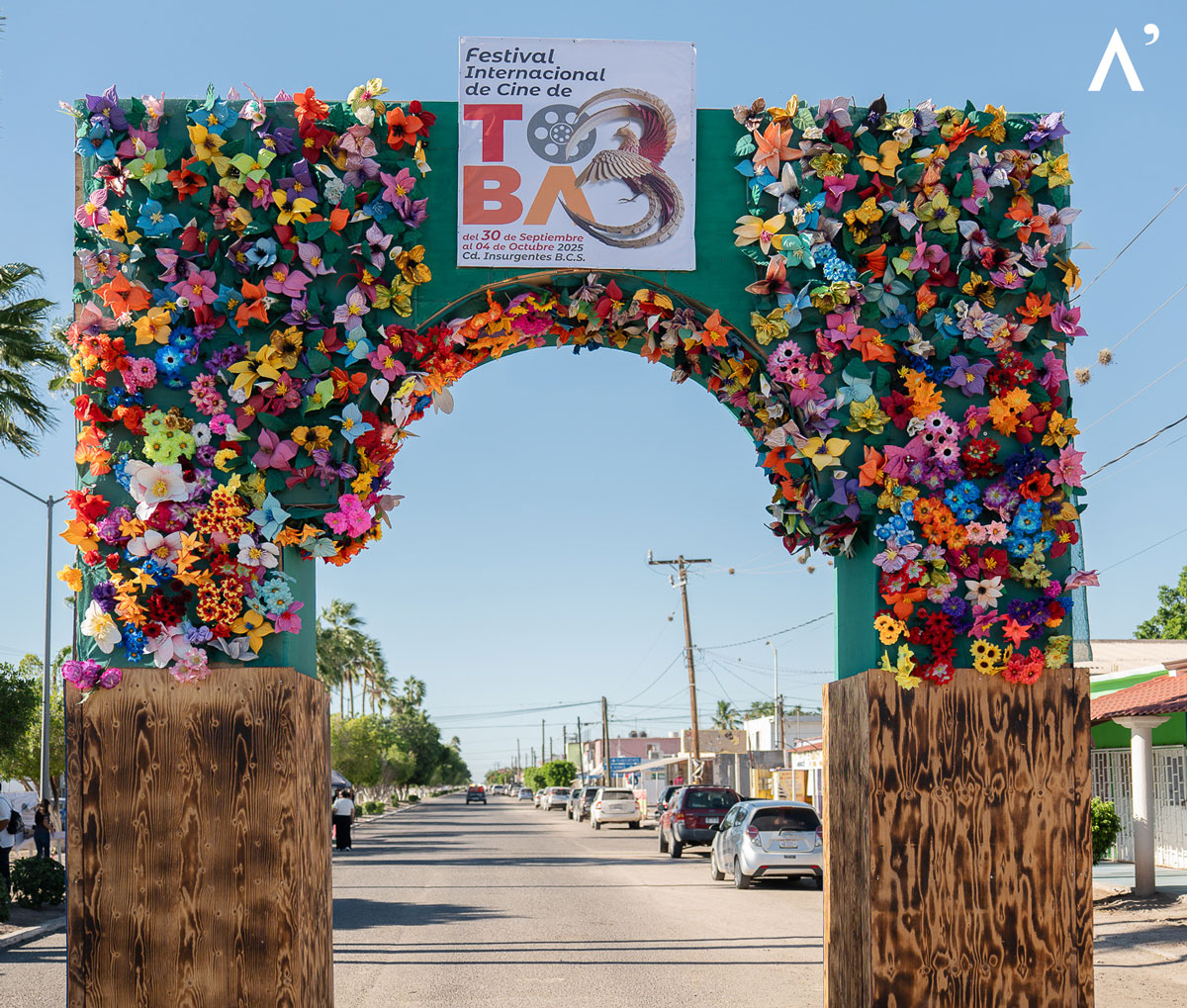
Every year, the FIC de la Toba opens a magical portal featuring a diverse program that includes painting, sculpture, short films, and talks. I would love to have a machine that could reveal the thoughts of children when they see the mural at the Domingo Carballo Félix school and wonder, “What is that? A rooster? A parrot?” Someone will explain to them, “It’s a phoenix.” This is how myths become reality. The phoenix symbolizes the resurgence of the community.
The school mural was created by the David Alfaro Siqueiros Collective School, located in Hidalgo. The team included María Guadalupe de Teresa Gutiérrez, who handled operations and logistics; Yanet Calderón Becerra, the mural artist; and José Luis Ramos García, another artist. Within 72 hours, they completed the mural, which was donated to the FIC in La Toba. Next year, they plan to return for four months to create an even larger mural and to propose an international gathering of muralists.
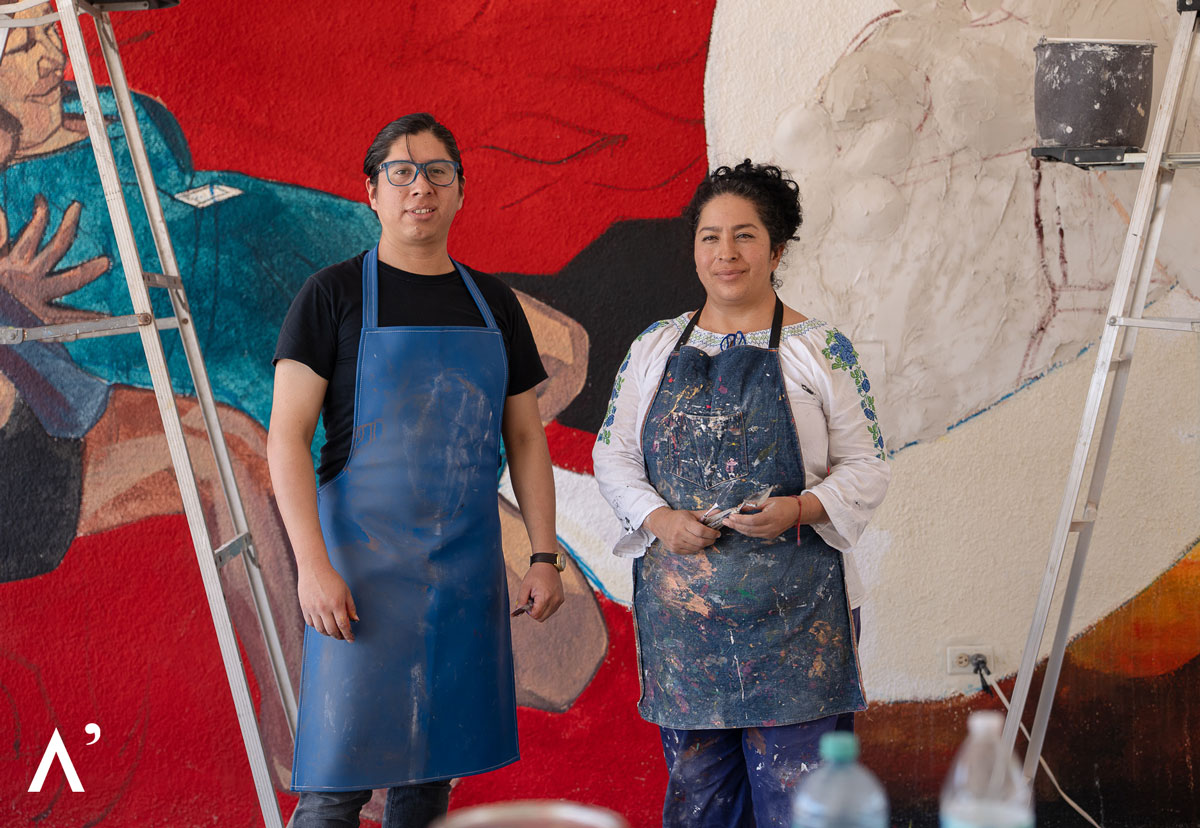
Mexico, known as the birthplace of muralism, surprisingly does not provide a degree program specifically for mural painting. Muralism emerged from the necessity to educate the masses following the revolution, using visual imagery to communicate concepts such as freedom, labor, and community. Prominent f igures in this art movement include David Alfaro Siqueiros, González Camarena, and Diego Rivera, who are all leading exponents of the form.
Highlights of the Festival
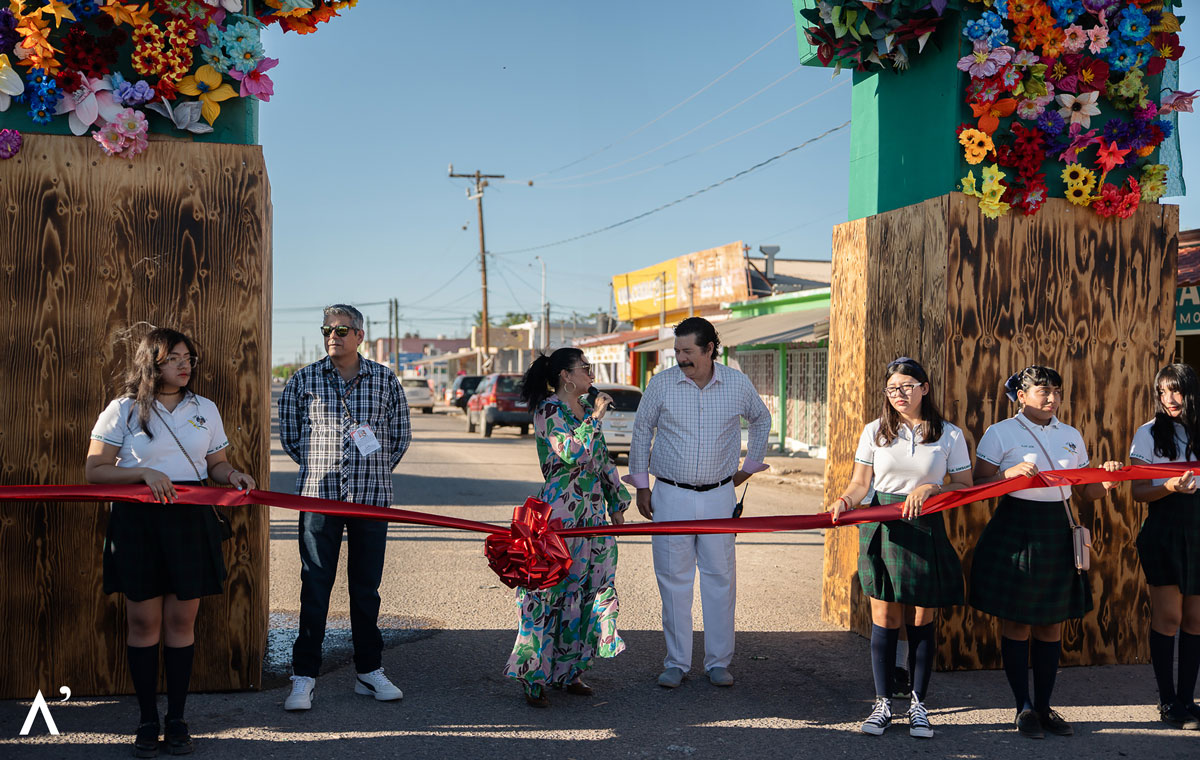
We experienced a series of surprises, beginning with the inauguration of the arch. Visits to the family niches followed this inauguration, the unveiling of the mural at the museum, and the presentation of the video for the second edition at hotel 12 Ballenas. The short film “A los 77 años, agua salada probé” (At 77, I tasted salt water), featuring my mother, was also showcased.
I feel deeply grateful for my loving mother and a father full of strong energy. Their impact on my life is significant. My mother, with her unwavering love and caring nature, has always been my guiding light. My father, with his strong will, has been my driving force. I see myself as the tip of a spear, a result of their teachings and our family line. Now, I aim to guide my son toward a meaningful life, just as they did for me. This heritage motivates me and encourages my son to face life with determination.
The documentary we’re sharing tells how my son faced an accident that could have seriously impacted his career as a diver. During a time of depression and uncertainty, our family united. My mother chose to step in and suggested doing whatever was necessary to help him. She was even willing to learn scuba diving alongside her grandson, demonstrating deep love and unconditional support.
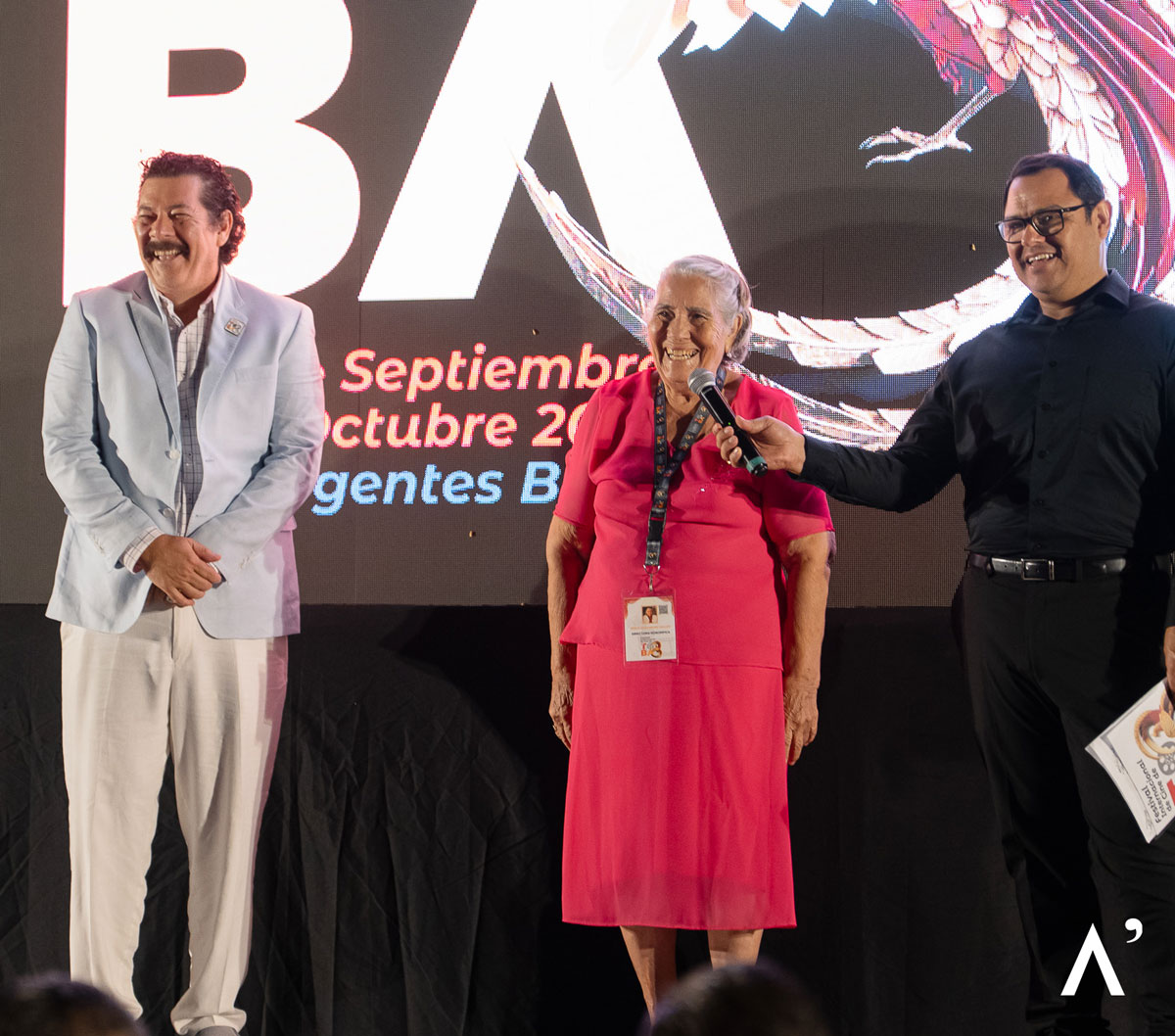
I discovered the potential to rebuild the relationship between grandchildren and grandmothers, connecting different generations. When younger people lose access to the internet, they often feel lost and don’t know how to cope. In the past, we were taught to be responsible from a young age. Today, many young people are quite pampered. However, here is a 77-year-old woman who demonstrates that if she could manage, what excuse do others have? The 90-minute short film shows that with encouragement and dedication, you can learn something new at any age. When my mother was asked after the screening if she would skydive, she replied, “Why not?”
The documentary “La Recua” (The Pack Train) by Darío Higuera Meza, and produced by Trudi Angell, tells the story of the journey made by ranchers who traveled the Camino Real (Royal Road) across the peninsula to transport wine, cheese, machaca, dates, and sweets. Although these journeys had a commercial purpose, they also involved disseminating information, fostering recognition, and building fraternity between communities. The primary value of the pack trains, however, has always been their symbolic and cultural value.
That’s why Don Darío Higuera Meza, at 70 years old and accompanied by his family, was determined to create a pack train in the 21st century: a 20-day journey over 350 km, with five riding animals and ten pack donkeys, which also touches on memory, community, and the enthusiasm of recollections. After watching the documentary, many people expressed a renewed appreciation for their heritage and a desire to preserve these traditions for future generations.
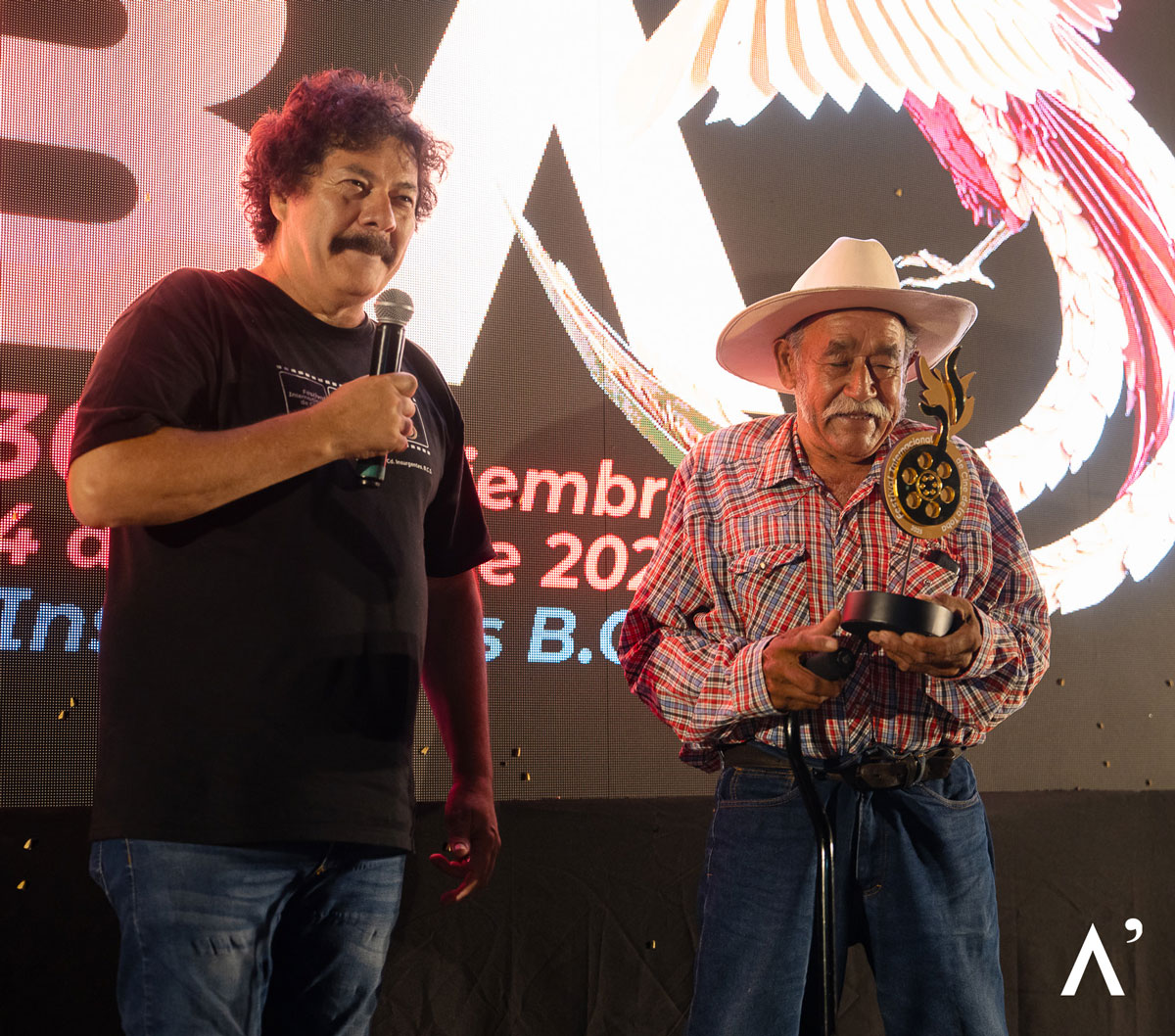
Another highlight was paying tribute to Cuni. I didn’t know Cuni personally. He was like a god; everyone knew he existed, but no one saw him because he was the village projectionist. Now, at 84 years old, he lives in Ensenada. We sought him out to pay tribute, and when people saw him again, they shouted, “Cácaro, Cuni!” The Cine Estrella was our only window to the world 40 years ago, serving as a portal for us.
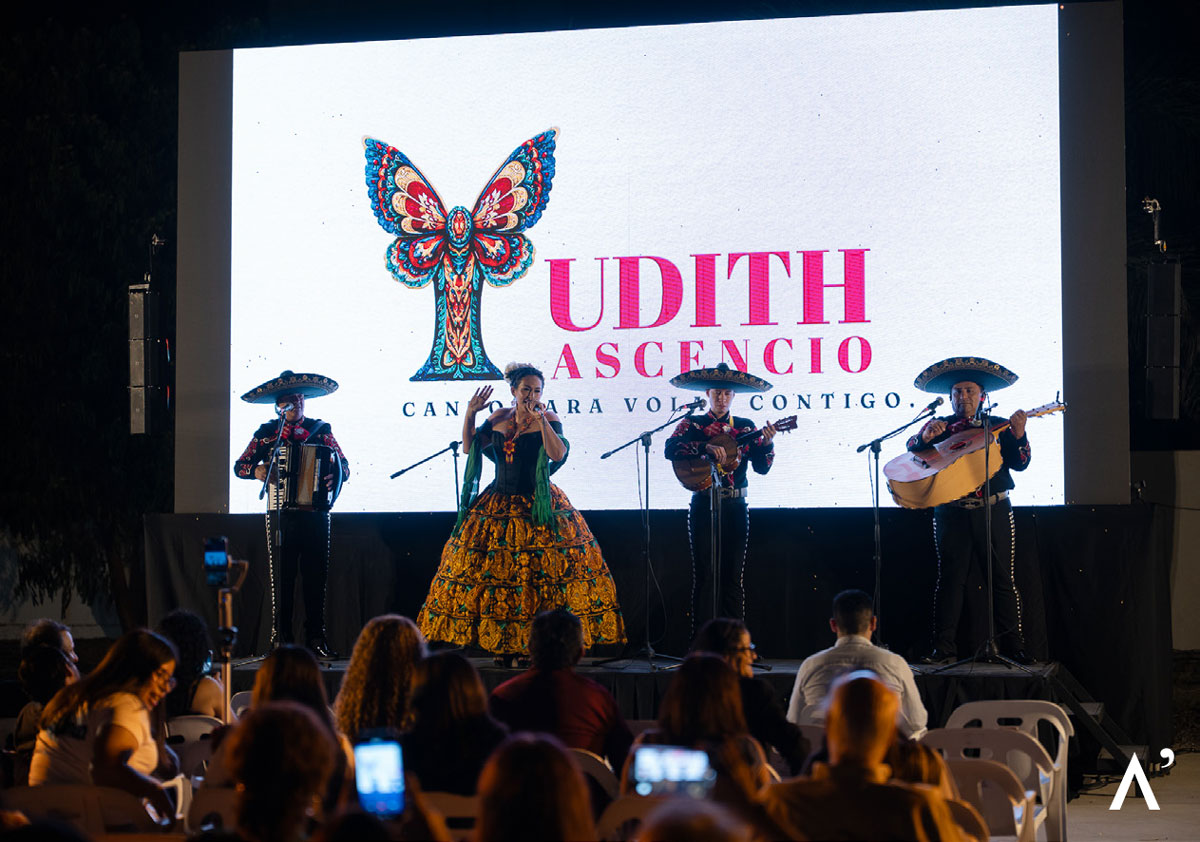
In terms of entertainment, Yudith Ascencio, a singer from Los Cabos, performed with a mariachi band and sought partners to help make the cost of the event more affordable. She did not charge for her performance, as she wanted to give back to her community. This gesture was a wonderful gift for everyone.
I have other allies; for example, Óscar Toledano has been my friend for years. We met during a union struggle at ANDA. He accompanied me back to the festival to conduct a free voice-over workshop.
Everything I do is intentional; every action has its consequences. Last year, we held a short story competition, and today, we have published the resulting book. For the past two years, I have been bringing local painters together. Due to their requests for a dedicated space, we have now established an art gallery for the festival. The gallery was designed using fishing lines to accentuate the spaces where the artwork hangs. This method has now become the gallery’s signature feature, emphasizing the dedication to each piece.
The voice-over workshop is the first step toward creating a community radio station in La Toba, with plans for a television station to follow. Over the course of three festivals, we have produced 50 short films, providing enough material for a programming block.
To summarize: We hosted eight presentations in schools, engaged with three delegations as part of the Barrio Cinema program, held three discussions, and presented four books. Over 20 short films were showcased during the program, which ran from Tuesday to Saturday. This initiative provided an opportunity for both young people and older adults to participate and have their voices heard.
Final Reflection
I want to express my gratitude to the entire community of Fernando de la Toba. My wife, my son, and my mother are integral parts of my life, and I could thank them in person. I also want to acknowledge all the people who have supported us, embraced us, and encouraged us with words like, “Keep going.” I am not a politician, nor do I aspire to be one; I want to pursue this passion. I live for art, with art, and through art, convinced that it is the most powerful means we have to transform our reality. My goal is to educate others and elevate art and culture to their highest expression. Everyone can create art; everyone can be an artist. Thank you to all who have contributed and believed in this vision.