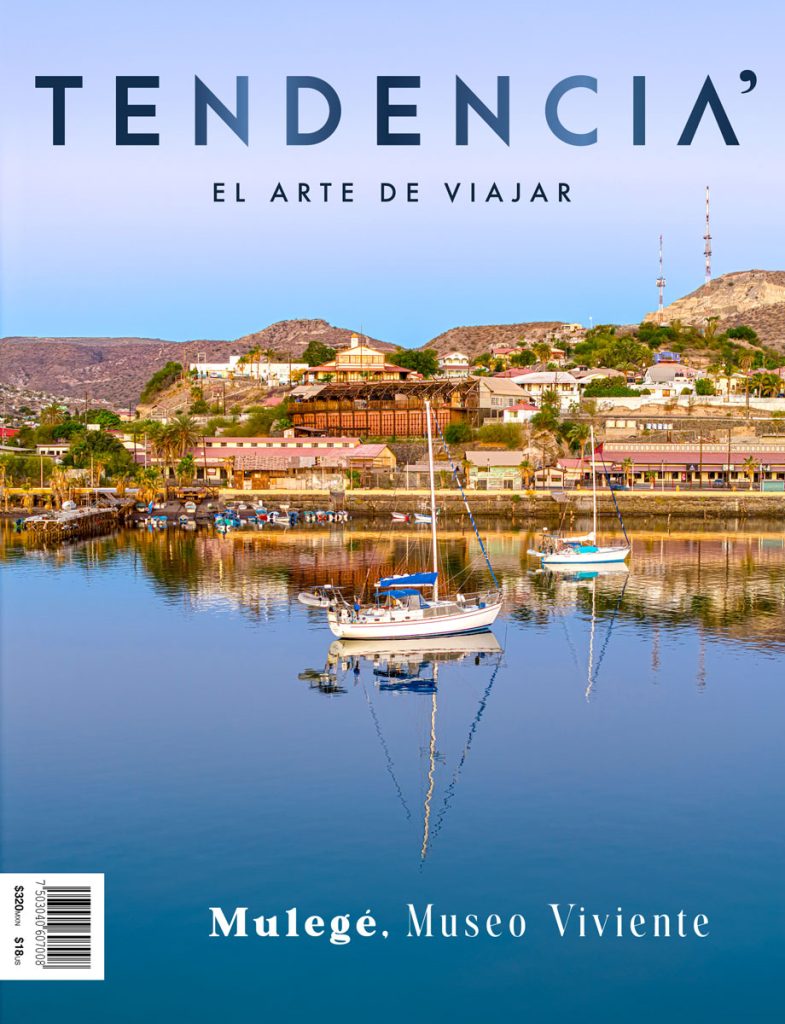
They say that deep within the heart of the Californian mountains, where the sun dances over rugged stones and silence hangs like a timeless fog, the voices of the ancients persist. Whispers drift on the wind through the shadowy canyons of Comondú, settling upon a great stone wall, where the secrets of a forgotten world were once inscribed — the air hums with untold stories, echoing the mysteries of a long-past age.
San José de Comondú hosts a thousand-year-old pictorial sanctuary. Instead of bells or crosses, its temple is the hill itself, and its altars are rocks stained with pigments once mixed by the f irst Californians. The artwork primarily features two colors —black and red —with accents of pink and terracotta. This collection of symbols remains preserved under the protective shade of a cliff.
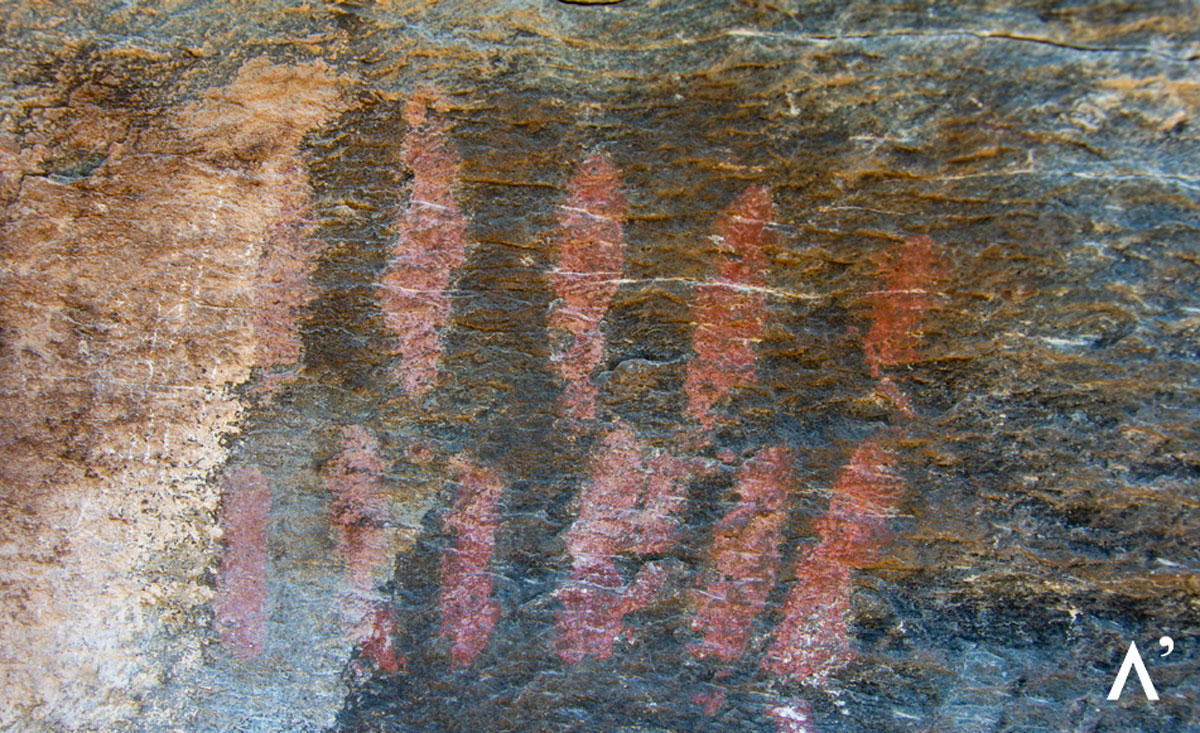
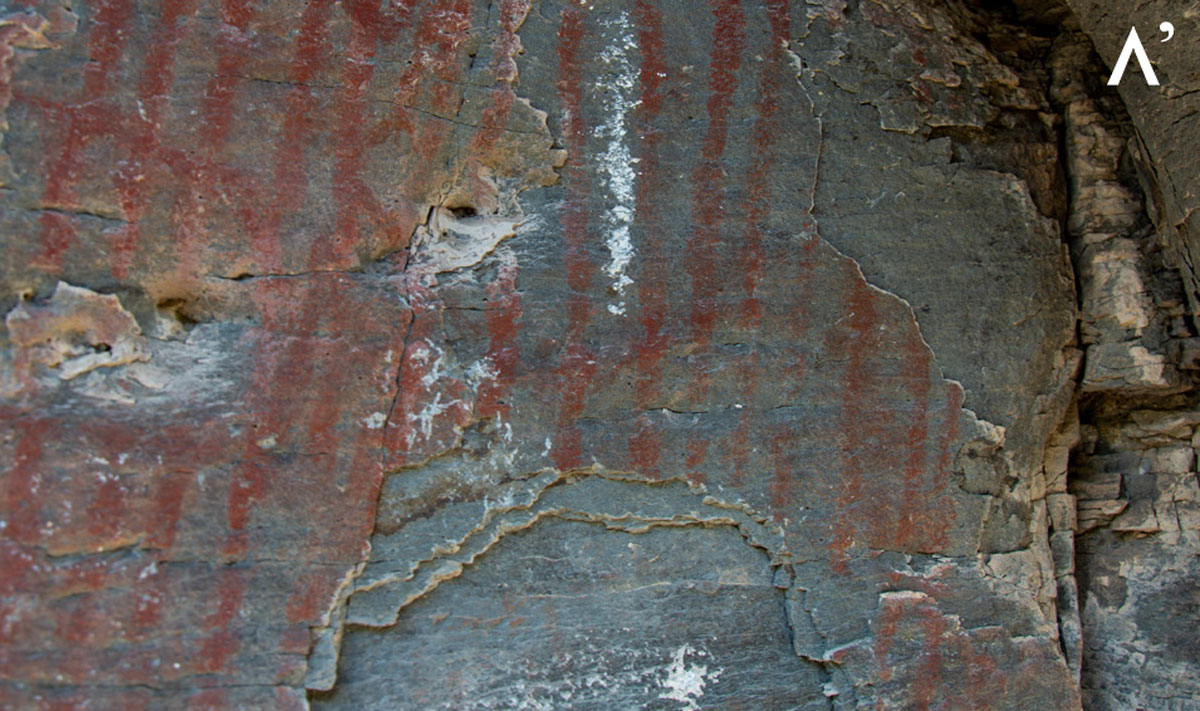
The figures, both human and animal, are believed to depict a whale, a turtle, and even fingers pressed against the entire body. These images coexist with straight lines, squares, and amorphous strokes that remain largely unexplained. Are they symbols of rituals, hunting stories, sacred maps, or perhaps myths? The truth is that the paintings of Comondú are not just marks; they embody a living memory. This lost language continues to pulse on a 50-meter-high wall facing east, as if waiting for the sun to rise and reveal its story.
The myths of Comondú can’t be found in books. They are experienced by walking through the landscape, listening with your eyes closed, and feeling when you stand before stones that seem to breathe. These ancient legends have shaped not only the imagination but also the cuisine, festivals, and views on life and death.
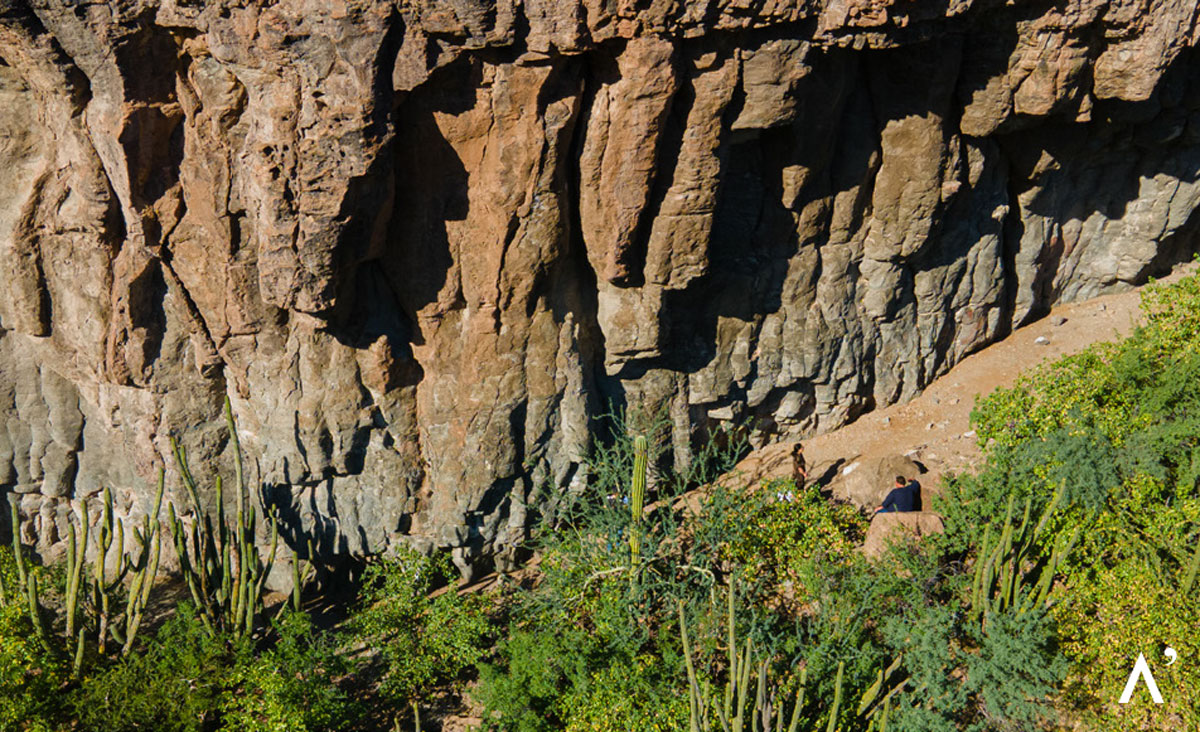
To find them, a map or compass isn’t enough. You need respect, patience, and guidance from those who understand the terrain not just through geography, but through heritage.
These paintings remind us that long before us, countless people aimed to leave their mark on the world. They did so on stone, their f ingers forever stained by the weight of history.