SANTIAGO
Nestled between the mountains and the oasis, Santiago is a place where memory, nature, and community coexist in everyday life. Beyond its landscapes and celebrations, this historic town is defined by the voices of its people, the trades that endure, and a collective identity that has evolved without losing sight of its roots. This journey through its communities, traditions, and grassroots initiatives reveals the true pulse of Santiago: a destination shaped by history, resilience, and a clear vision for a sustainable future.
Sub-Delegations and Communities: Identity and Economy In the sub-delegation of Agua Caliente, along with the locality of El Chorro, natural hot springs have driven tourism development. One of the region’s largest foreign communities resides here, bringing diversity to local life. Residents are primarily engaged in honey production, livestock, and agriculture—activities that sustain both the local economy and its appeal to visitors.
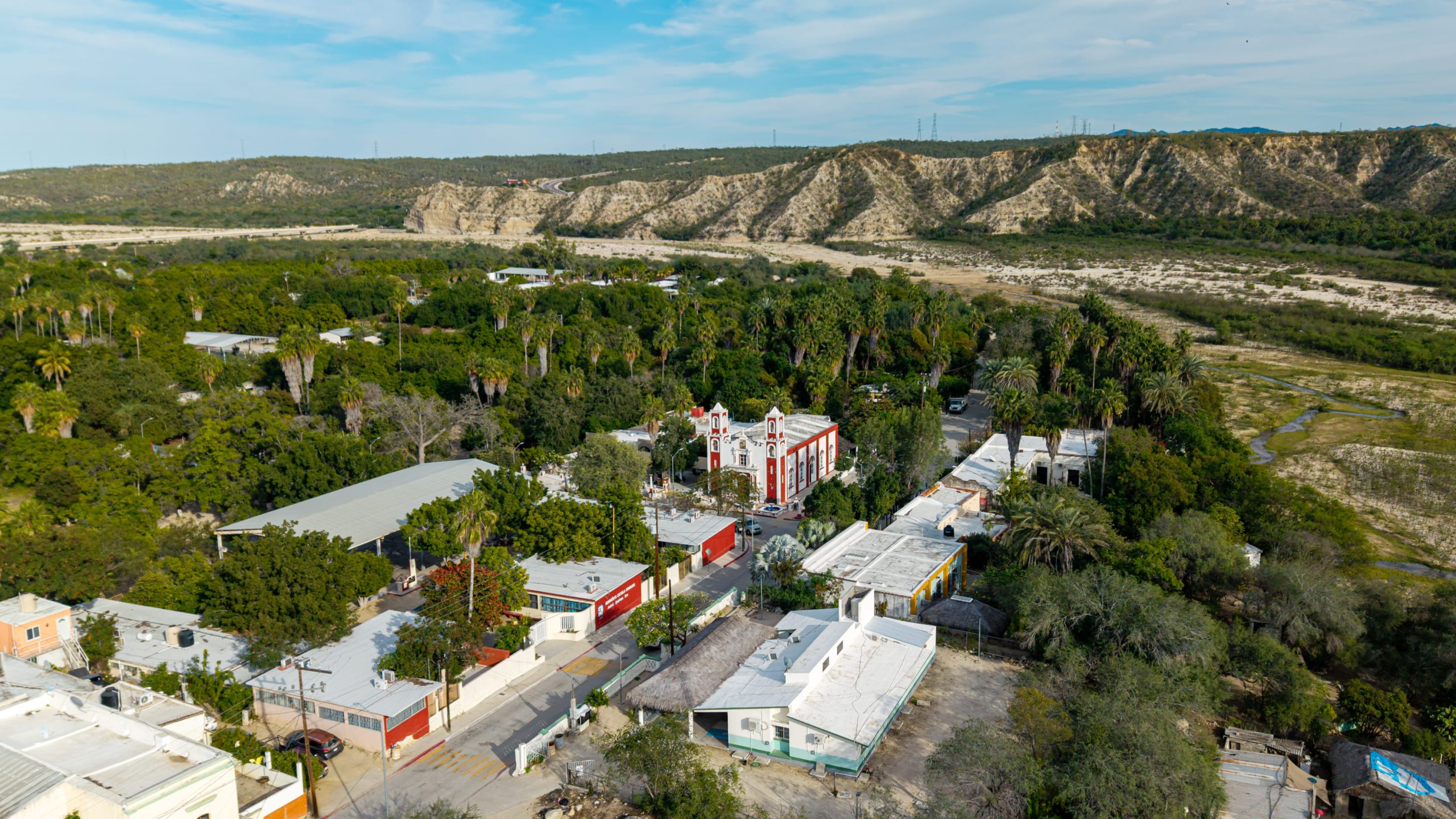
Matancitas, located in a higher and safer area, is known for its hardworking community, many of whom are employed in nearby towns. San Jorge, another sub-delegation, stands out for the Sol de Mayo waterfall and the hot springs of Encinos de Don Juan and Santa Rita, which are nationally and internationally recognized and attract a steady flow of visitors.
The community of Las Cuevas keeps agricultural production alive, preserving farmland and rural traditions. Buena Vista, meanwhile, has seen significant growth in its foreign population, with tourism and services taking the lead. It offers restaurants and an active social life that brings together both temporary and permanent residents.
San Dionisio Canyon is home to several ranches that provide tourism services, cabins, and ecotourism activities. Mango producers in the area have successfully exported their fruit to Japan and Germany, and organize the traditional Mango Fair—an event held alongside the town’s patron saint festivities that fosters community bonding and regional agricultural pride.
Festivities and Community Celebrations In addition to the Mango Fair, held each July during harvest season, Santiago celebrates the anniversary of its founding every August 24. These festivities include cultural activities such as trueque, or bartering, which revives ancestral customs of product exchange between coastal and mountain families. These celebrations strengthen community ties and preserve collective memory.
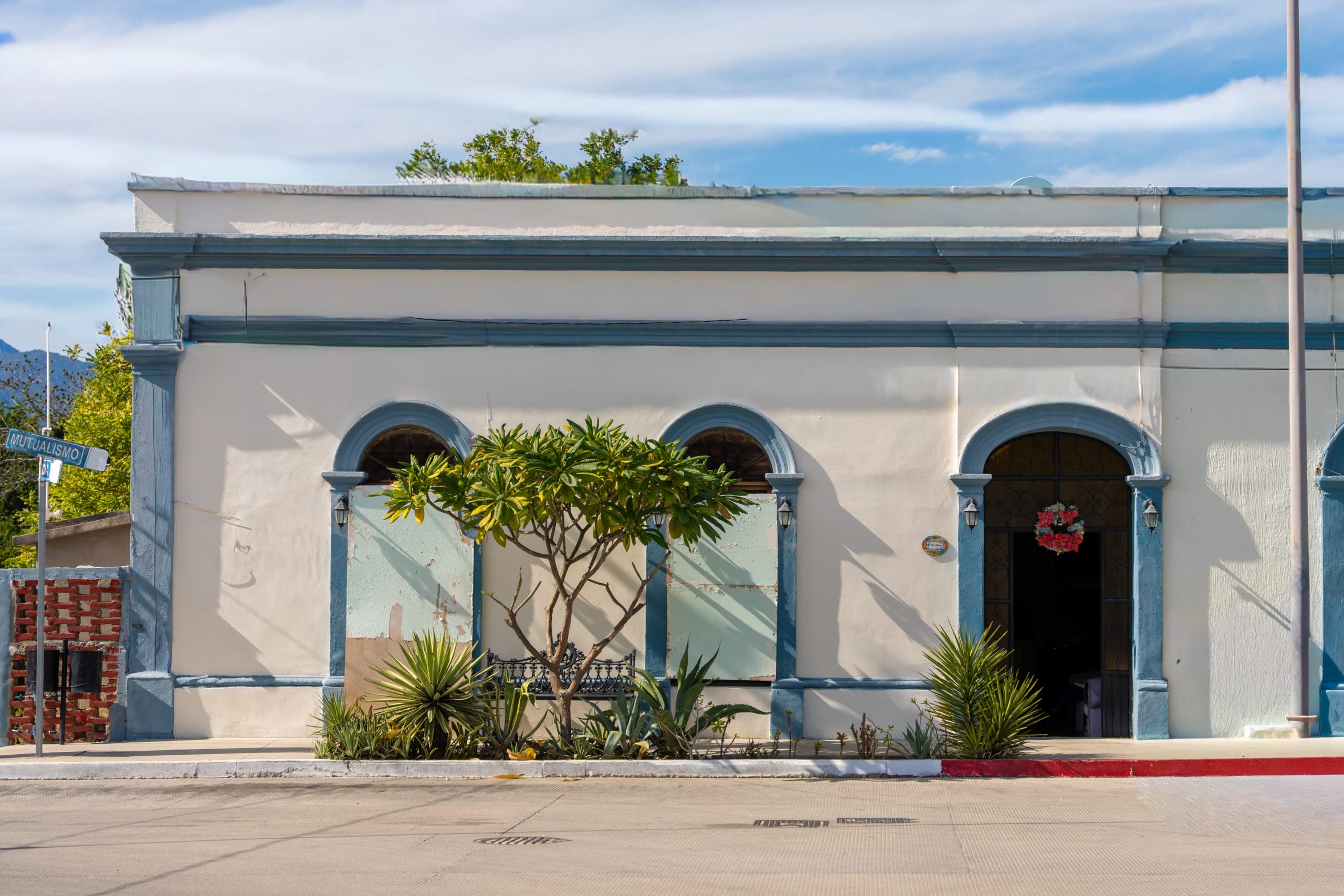
Historical and Cultural Heritage Santiago is home to historic buildings, including the mission church and several old houses registered with Mexico’s National Institute of Anthropology and History (INAH). Remnants such as sugar mills and chimneys still stand, recalling the importance of sugarcane and milling in the past. The ecological park—formerly a zoo—is a site of high environmental and social value and is envisioned as a future gathering place and tourist attraction.
Religious diversity is reflected in the presence of multiple chapels and parishes throughout the communities, each with its own history and heritage value. This spiritual richness complements Santiago’s cultural appeal and opens the door to the creation of guided chapel routes.
Sustainable Tourism Initiatives As a Historic Town, the community has invested in tourism training and organizes the Santiago Sustainable Regional Market every Sunday at the Ecological Park, where local producers sell their goods. This initiative aims to energize the economy while showcasing Santiago’s culture and traditions.
Women entrepreneurs such as Karen Wilson, founder of Catarina Verde, promote healthy agriculture and youth workshops. Damiana Californiana, a women-led business, produces a range of local products. Vanessa Velázquez has revived the tradition of pottery, offering community workshops and keeping ancestral crafts alive.
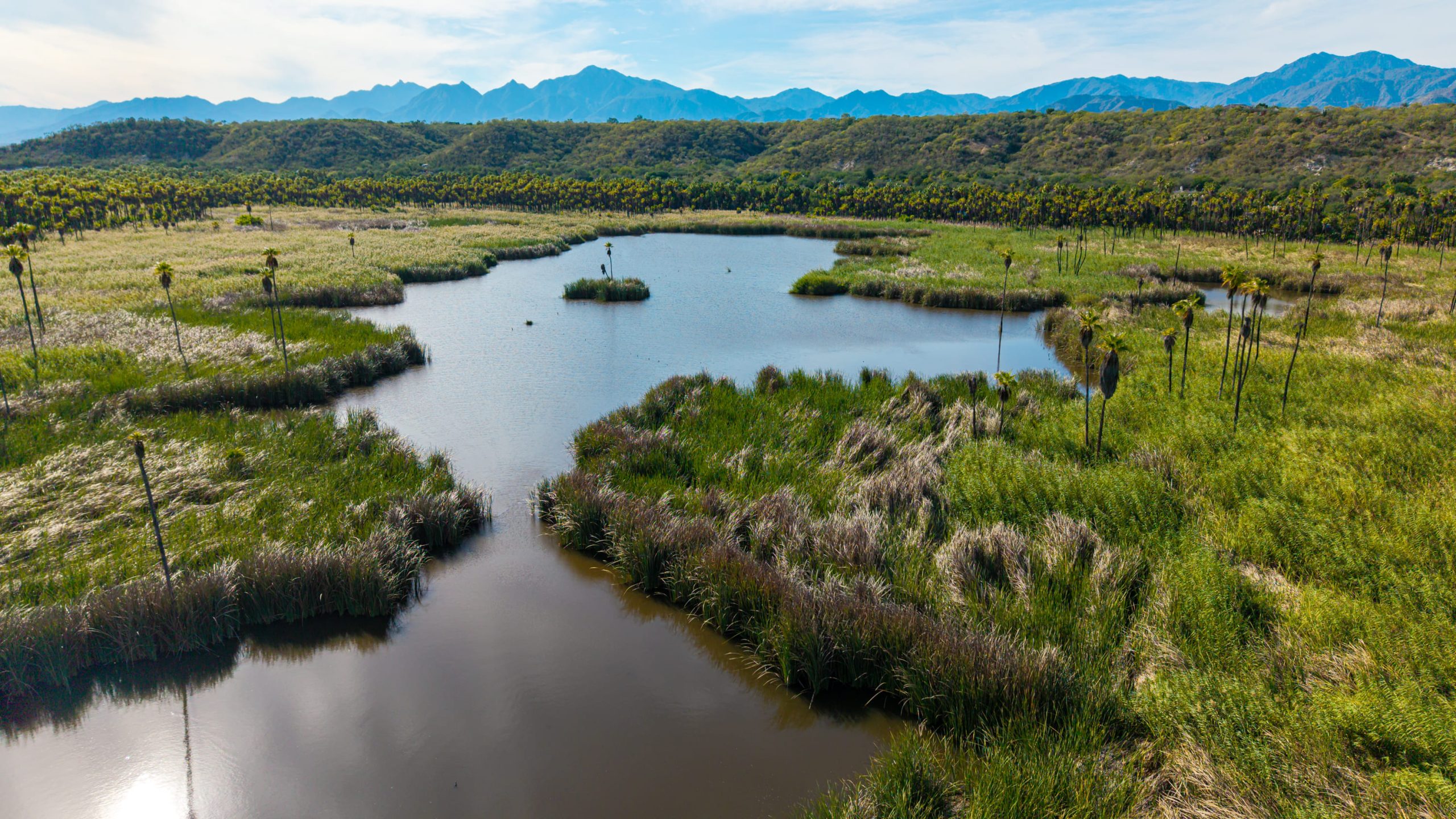
Other service providers, including Edgardo Cortés at Huerta La Palma, focus on kayaking and birdwatching activities in the lagoon. Various ranches and tourism projects have emerged, further boosting the local economy and fostering sustainable development.
Challenges and Opportunities One of the main challenges facing Santiago is the lack of documented data and visitor statistics, which complicates tourism planning and service improvement. However, through the Santiago Sostenible initiative, the community has worked to highlight these needs and promote the training of certified tour guides.
Efforts to certify service providers and to participate in national and international projects have strengthened local identity and opened new opportunities for sustainable, regenerative tourism. Collaboration among the community, government, and civil organizations is essential to Santiago’s future.
Stories and Legends Local legends are an integral part of Santiago’s collective imagination, such as the story of Lenchita, the midwife whose grave has become a site of local devotion. Extreme temperatures and the power of nature are part of everyday life in Santiago, adding a sense of mystique and realism.
Conclusion Santiago is a town deeply rooted in history, living traditions, and a community committed to sustainable development. Oral memory, festivities, traditional crafts, and community-driven initiatives reflect a strong and resilient identity—one that looks toward the future while honoring its heritage and roots.
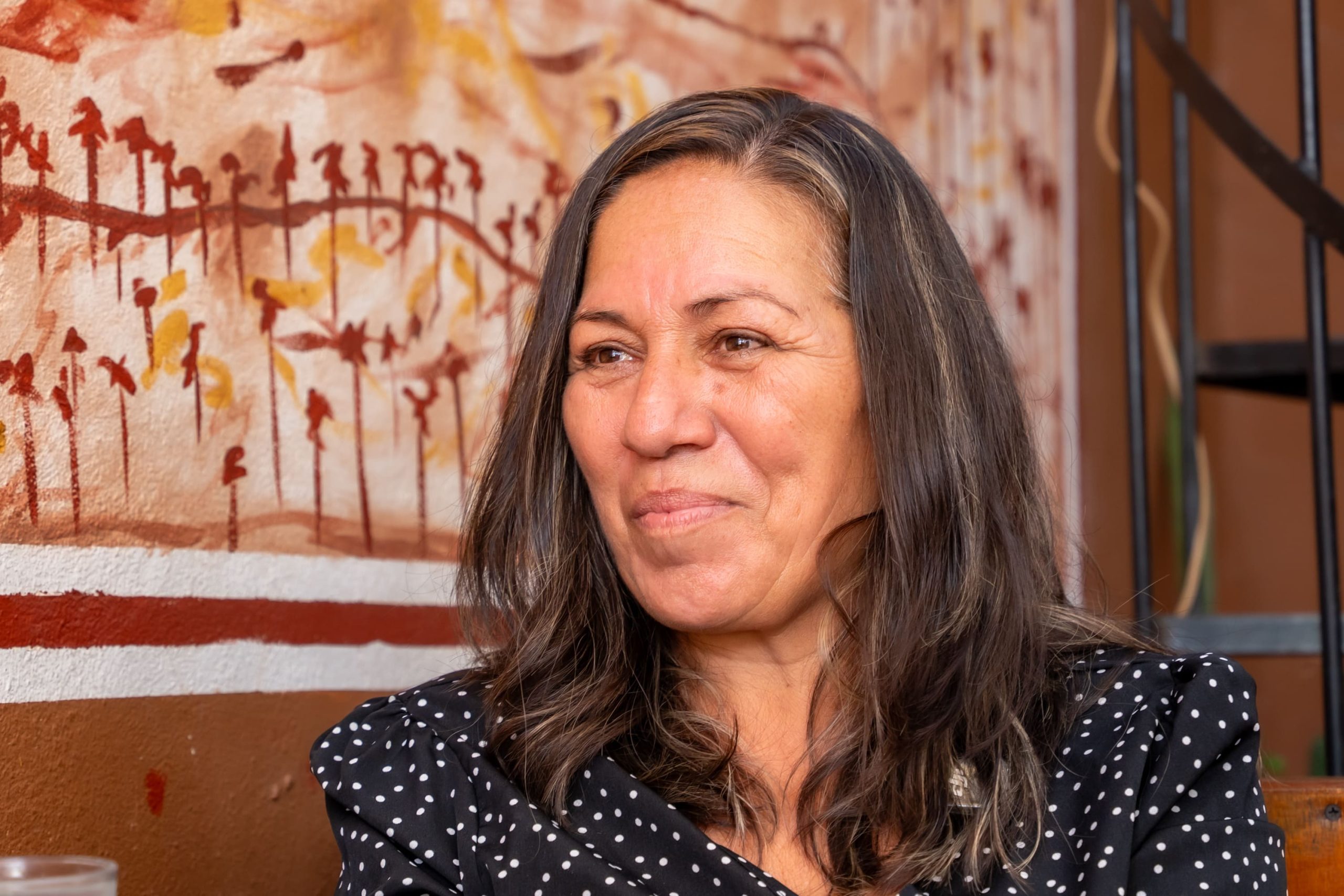
My name is Verónica Castro. I was born in Santiago. My family origins come from San Dionisio Canyon. Both my mother’s and father’s families belong to the ranches of San Dionisio. This deep connection to the land and its people has shaped my identity and sense of belonging.