C O M M U N I T Y & L E G A C Y
“Every child helped proves that commitment can change destinies.”
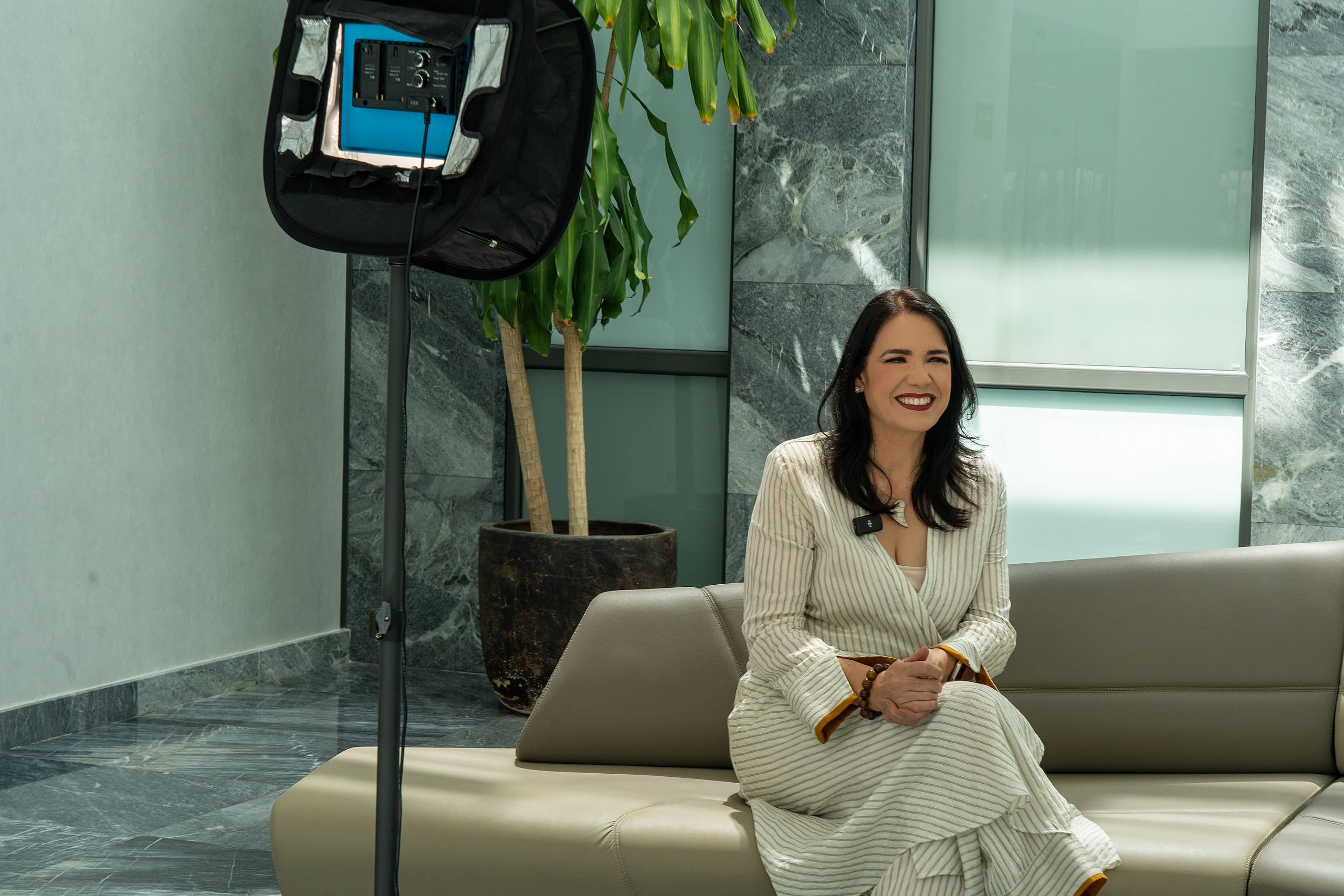
Audelia Villarreal Zavala is the daughter of Clara, originally from Guasave, Sinaloa, and Héctor, originally from Torreón, Coahuila. Both settled in La Paz, Baja California Sur, where Audelia was born.
She defines herself first and foremost as a daughter, the wife of Gabriel, and the mother of Diego and Camila— roles she considers the center of her life and her greatest mission. For Audelia, the influence of her parents has been fundamental: her father taught her to fight and be creative, while her mother, whom she describes as the most practical woman in the world, instilled in her objectivity and practicality. She emphasizes the importance of using both last names to honor her maternal heritage. She recognizes family support as essential to pursuing dreams and taking on challenges. She expresses deep gratitude to God for all that He has given her.
The Decree Establishing Cardiac Screening in Baja California Sur The story of the decree establishing neonatal cardiac screening began before Audelia’s time in the Senate. In 2012–2013, after reading an article in the United States about early detection of critical congenital heart disease through pulse oximetry, Audelia wondered why nothing similar existed in Mexico. She decided to promote change in Baja California Sur, working in partnership with the organization Taiyari from Jalisco and with medical specialists. In 2014, they submitted a proposal to the State Congress, which was approved and published in 2015.
The model consisted of transferring any child born in the state with a positive cardiac screening result to La Paz, thereby gaining crucial time before the heart condition manifested with severe symptoms. The success achieved in Baja California Sur motivated Audelia and her team to take the initiative nationwide, collecting testimonials, data, and medical allies over several years.
National Decree and Reform of the General Health Law In 2018, the national project was presented to the Senate, successfully raising awareness within the Health Commission, which, after several rounds of negotiations, approved the reform in 2019. However, the project stalled in the Chamber of Deputies until Audelia took it up again in 2021, by then serving as a senator. Finally, after intense negotiations, the reform to Article 61 of the General Health Law was approved unanimously by both chambers on the last day of the legislative session. On June 1 of that year, the right to neonatal cardiac screening became official nationwide.
In addition, the General Health Law was amended to include neonatal screenings in the new National Health Card, making access to these services easier and enabling families to demand these rights. This advancement also obligates the health sector to provide these services.
The Spirit of Commitment in Baja California Sur Audelia highlights the strong sense of social commitment that characterizes the people of Baja California Sur, especially in Los Cabos, where civil society organizations have been key to building a region with a deeply human and supportive vision. She acknowledges the role of leaders and foundations in continuous improvement. She notes that this commitment arises in part from the country’s geographic distance from its center.
Family Legacy and Recognition The “Forjador del Año” (Builder of the Year) recognition Audelia received from Grupo Madrugadores Los Cabos holds great personal significance, as her father—a journalist and a key contributor to the newspaper El Sudcaliforniano—was also recognized as one of the state’s builders. For Audelia, this represents a legacy of commitment and service that she hopes to pass on to her own children.
Experience in the Senate of the Republic “Serving as a senator was an honor,” Audelia states. She recalls arriving with clear objectives, among them making cardiac screening a national right. Her tenure coincided with the period following the pandemic, during which she also worked on initiatives supporting children orphaned by COVID-19 and on building data related to this issue. She organized forums on mental health and children’s rights, emphasizing the importance of seizing every opportunity to highlight and address national challenges through legislative power.
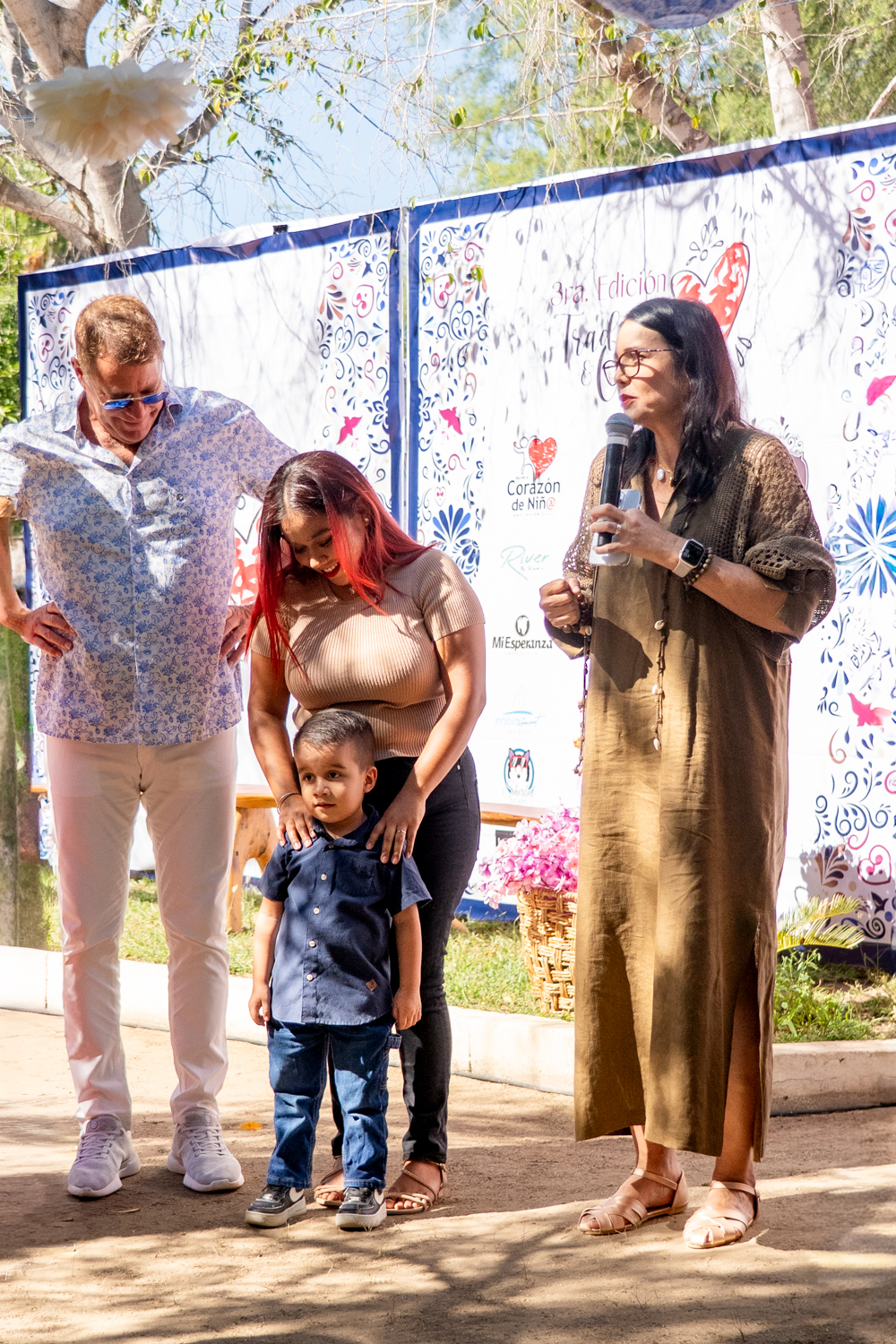
“Ayuda a Corazón de Niño” Foundation The foundation was established in 2001 following the founder’s personal experience with her son Diego’s heart condition, which required him to receive a pacemaker at the age of six. After resolving her son’s case, Audelia and her husband asked themselves how they could help other families. They began meeting and sharing information, which gave rise to the organization, with initial support from their parents and a group of adults with acquired heart disease.
In 2003, Dr. Isabel Sánchez joined the organization as the medical coordinator, strengthening and professionalizing the work by adapting it to the state’s new medical infrastructure and taking advantage of opportunities to perform treatments locally rather than sending children to Mexico City.
The foundation was a pioneer in organizing electrophysiology campaigns and, since 2017, the “Unidos de Corazón” (United at Heart) campaigns. Over 10 days of intensive work, multiple patients are treated by more than 50 volunteer specialists from across the country. This effort has enabled the operation on hundreds of children, achieving an extraordinary success rate of 99.6% and covering more than 55% of the state’s demand, compared to the national average of 30%.
The care model is based on creating medical records and accurate diagnoses, carefully selecting surgical candidates, providing comprehensive patient preparation, and conducting follow-up for two years after surgery, in compliance with official Mexican regulations.
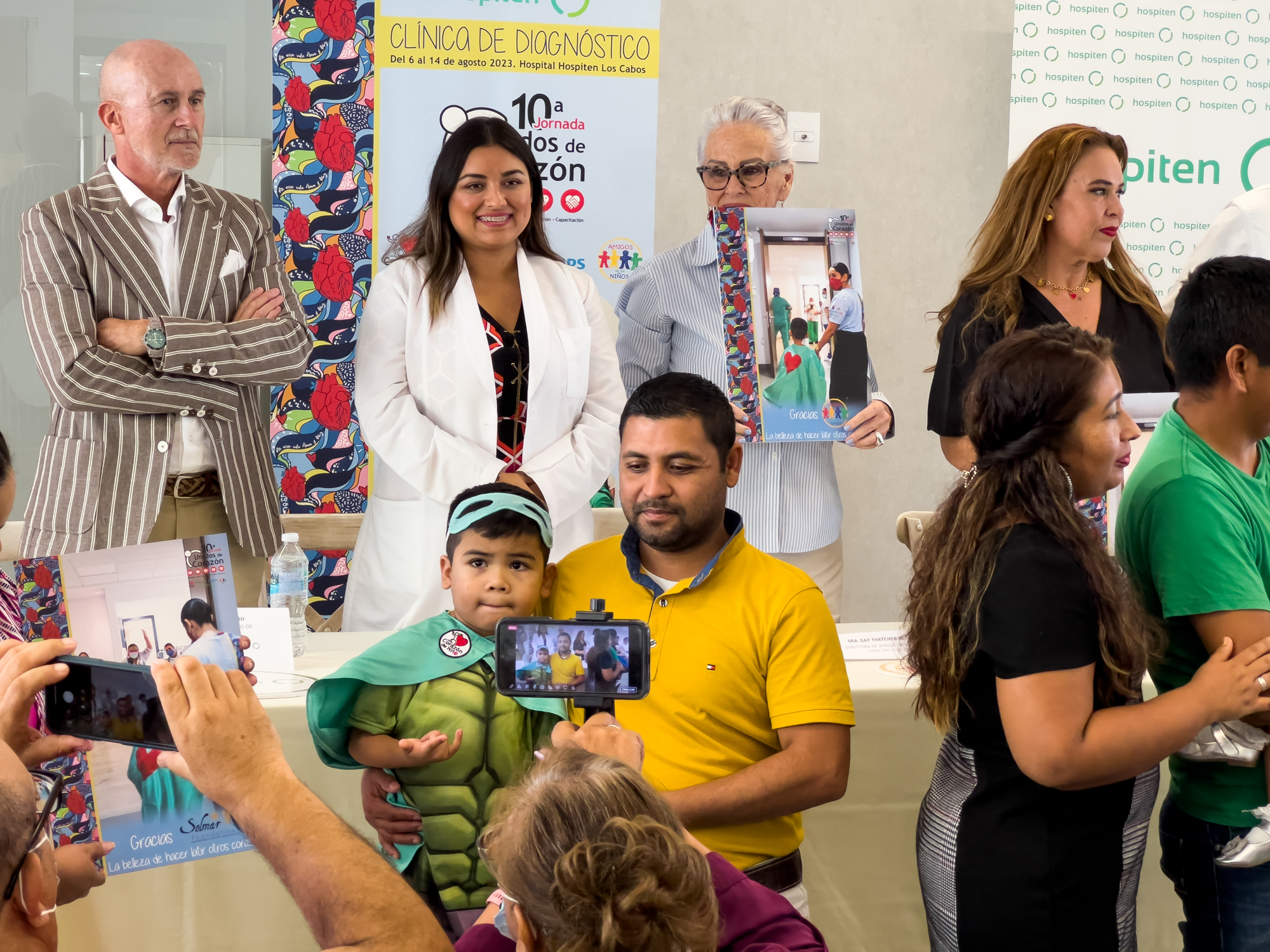
Expansion and Strategic Partnerships The experience and structure developed in Baja California Sur enabled the model to be replicated in Puerto Vallarta, Jalisco, and Cancún, Quintana Roo. Partnerships with hospitals such as Hospiten, organizations such as Amigos de los Niños, and companies including Philips, Terumo, and Abbott have been essential to the project’s success. These alliances have contributed not only resources but also expertise, technology, and collective commitment, consolidating a growing network that enables care for more patients.
Key challenges include logistics and precision in planning surgical campaigns, managing medical complications, securing financial and human resources, and the organization’s ongoing professionalization. The team has learned to anticipate and proactively resolve problems, such as conducting weekly follow-ups with patients for five weeks after each campaign to detect and address potential complications promptly.
The impact goes beyond health—it transforms entire families, allowing children to live full lives and enabling them to return to productive, stable lives. Audelia shares many success stories that reflect the scope of this work