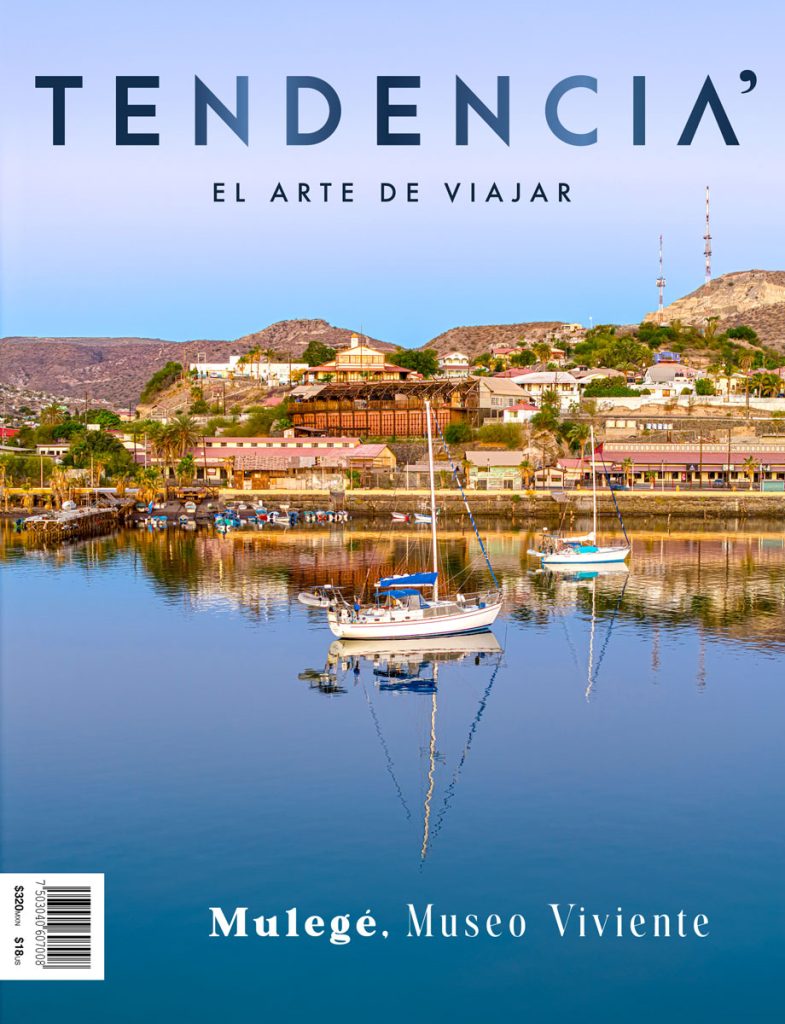
San José del Cabo is not merely the historic heart of Los Cabos; it is the root of its cultural identity, environmental value, and economic vision. From an oasis that once saved Pacific navigators to its evolution into one of Latin America’s most attractive tourism and investment destinations, Los Cabos’ history explains why it is synonymous with resilience, planning, and long-term vision today.
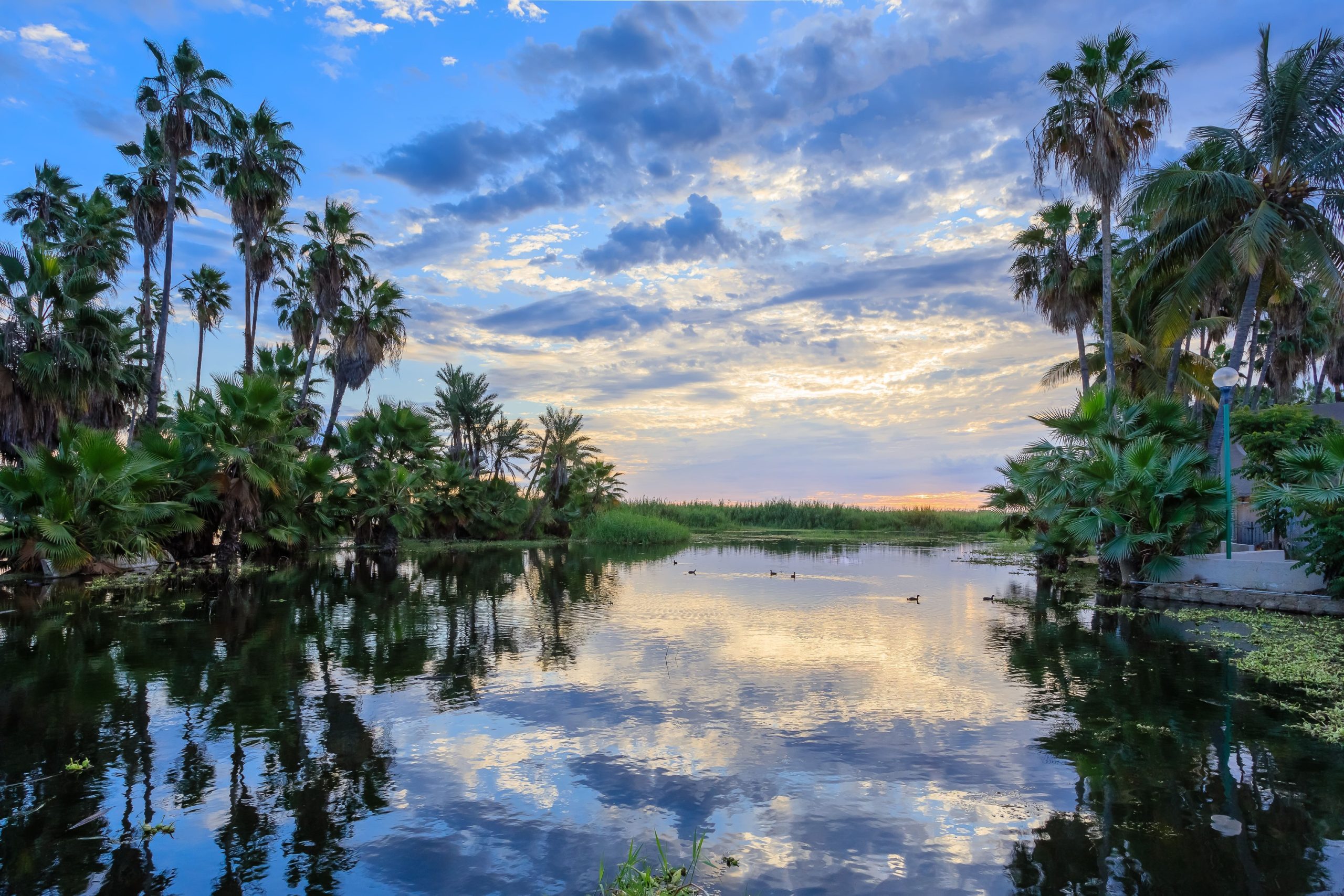
A STRATEGIC OASIS: PRE-HISPANIC AND COLONIAL ORIGINS Long before tourism development and international connectivity, the San José Estuary had already defined the region’s destiny. For the ancient Pericú people, this freshwater oasis—rich in birds, fish, and vegetation—was a center of subsistence, mobility, and regional control. From here, they dominated strategic islands in the Gulf of California, anticipating the geographic value that centuries later would attract explorers, traders, and missionaries.
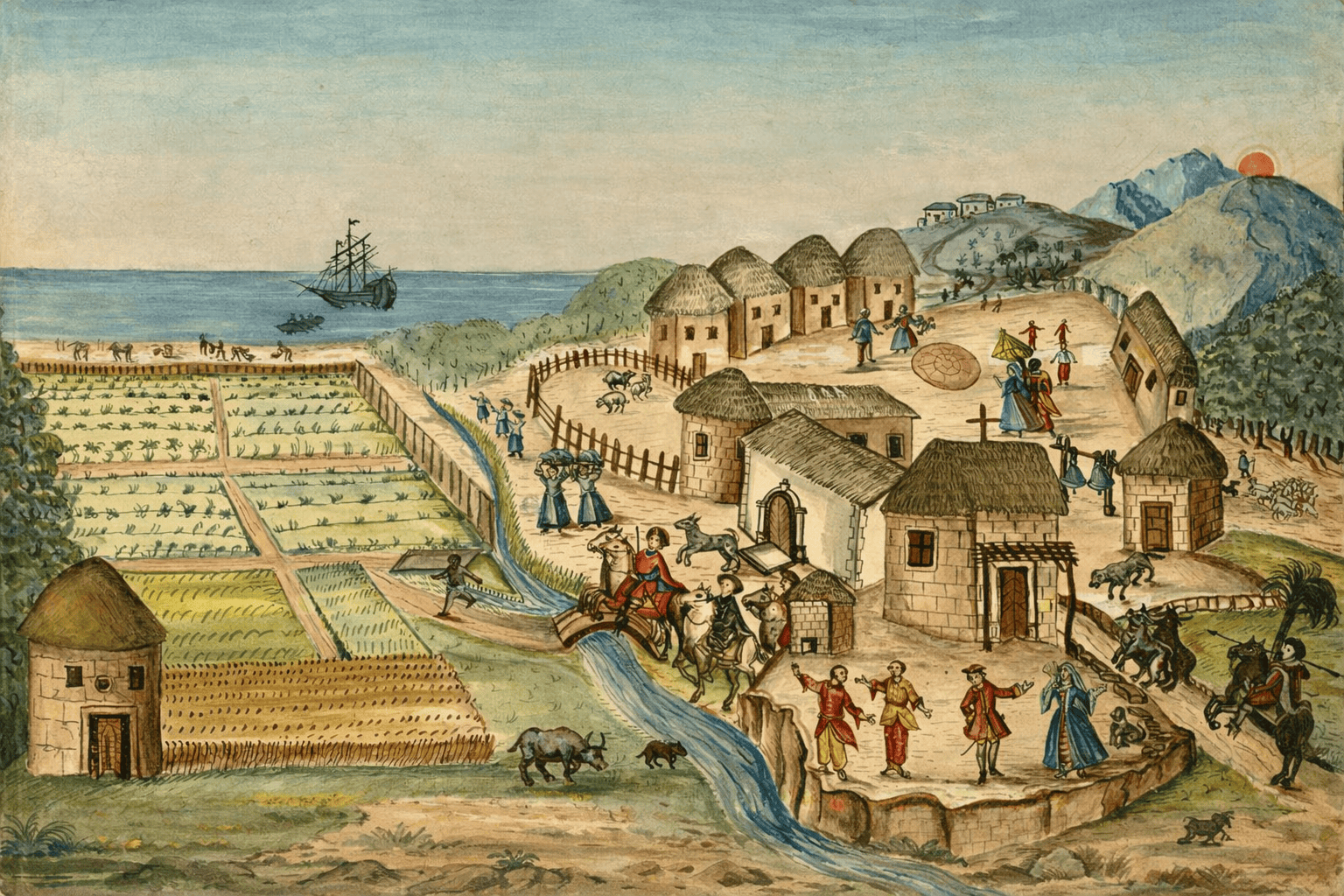
During the 16th century, San José del Cabo gained a pivotal role along the Manila Galleon route, one of the earliest global trade networks connecting Asia with the Americas. Exhausted sailors found fresh food, water, and refuge here before continuing their journey to Acapulco. This was no improvised stop—it was a strategic enclave within the global economy of its time.
The founding of the Mission of San José del Cabo in 1730 responded to both evangelical objectives and the need for a secure supply point and territorial control. Despite challenging geographic conditions, the mission consolidated permanent settlement and laid the foundations for the urban development that still defines the city’s layout today.
SCIENCE, RESILIENCE, AND COMMUNITY BUILDING In 1769, the region became the stage for a scientific event of global significance, when French astronomer Jean-Baptiste Chappe d’Auteroche conducted key observations to calculate the distance between the Earth and the Sun. This episode reflects a constant in San José del Cabo’s history: its connection to projects of global scope, even under adverse conditions.
During the 19th century, the transition from mission to town marked the beginning of a more complex social and economic structure. The arrival of merchants, farmers, and sailors boosted productive activities such as ranching and agriculture, while civil institutions grew stronger. By 1830, San José del Cabo was already functioning as a formal town, with a local government committed to public services, education, and urban order.
Even during periods of conflict—such as the U.S. intervention in 1847—the community demonstrated a strong sense of identity and a commitment to territorial defense. These experiences forged a collective character that today translates into social stability and institutional trust, key factors for any investment destination.
MODERNITY, CONNECTIVITY, AND EARLY SIGNS OF PROSPERITY At the beginning of the 20th century, San José del Cabo faced droughts, epidemics, and natural disasters; nevertheless, it continued advancing in infrastructure and modernization. The installation of a public clock, a potable water system, and urban expansion reflected a community focused on sustained progress.
Between the 1920s and 1940s, the region experienced economic dynamism driven by agriculture, trade, and new land routes connecting it to La Paz and Cabo San Lucas. Agricultural exports to the United States reinforced the town’s international vocation, while symbols of modernity emerged, positioning it as a rising regional center.
THE BIRTH OF A TOURISM DESTINATION By the mid-20th century, San José del Cabo began transitioning from a primary economy toward tourism—first organically, then through strategic planning. The opening of Hotel Palmilla, which focused on high-end hospitality, attracted U.S. visitors and laid the foundation for premium tourism.
The true turning point came with the opening of the Transpeninsular Highway in 1972 and the International Airport in 1977. These projects radically transformed accessibility. Soon after, the comprehensive development led by FONATUR unified San José del Cabo and Cabo San Lucas under a clear vision: to create a globally competitive tourism destination with urban planning, modern infrastructure, and protection of natural resources.
LOS CABOS ON THE GLOBAL STAGE In the 21st century, Los Cabos confirmed its maturity as an international destination by hosting high-profile events, including the APEC Economic Leaders’ Meeting in 2002 and the G20 Summit in 2012. These gatherings not only projected the region onto the world stage but also accelerated technological modernization, infrastructure development, and organizational capacity.
Hurricane Odile in 2014 put this structure to the test. The rapid recovery of hotels, services, and air connectivity demonstrated strong institutional capacity and exemplary public-private coordination. Rather than slowing growth, the episode reinforced the confidence of international investors and developers.
INVESTMENT, LIFESTYLE, AND INTERNATIONAL RECOGNITION Over the past decade, Los Cabos has consolidated its position as one of Mexico’s most attractive destinations for luxury tourism and real estate investment. The arrival of international hotel brands, high-end residential developments, and golf courses designed by legendary figures in the sport has elevated the destination’s global profile.
In 2024, Michelin Guide recognition confirmed another key dimension: Los Cabos’ emergence as a global culinary reference. This achievement reinforces its positioning as a complete lifestyle destination where luxury, culture, nature, and investment converge.
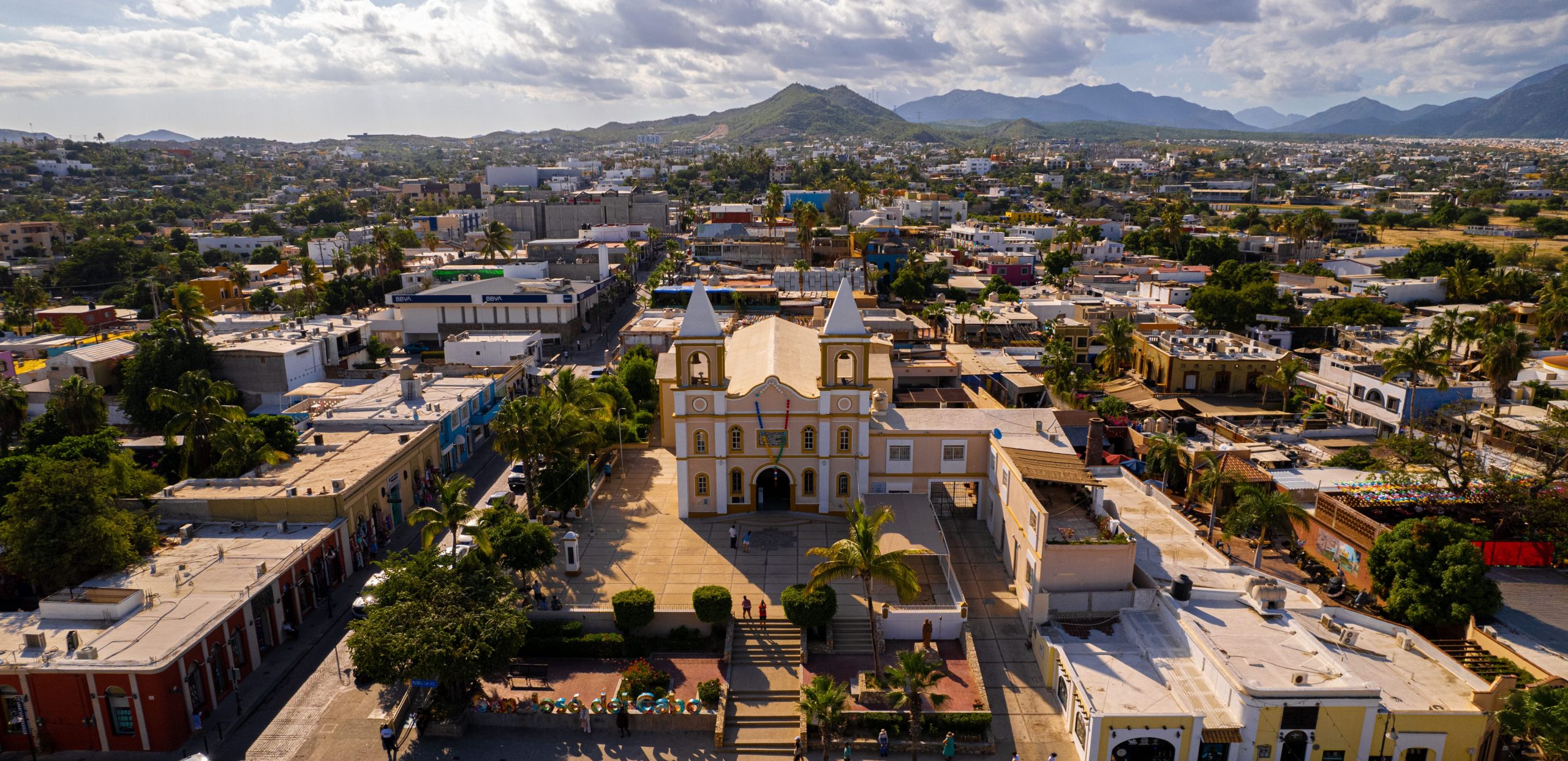
A DESTINATION WITH A DEEP PAST AND A SOLID FUTURE Today, San José del Cabo represents a balance between history and modernity. Its evolution has not been accidental, but rather the result of centuries of adaptation, strategic vision, and community resilience. For travelers, it offers an authentic identity; for investors, a territory with solid fundamentals, international projection, and a proven growth model.
Understanding its history is understanding why visiting—and investing in—Los Cabos remains a smart decision.