Conquerors of the desert
“We arrived with our possessions and our hopes.”
Rubén González González
Rubén González González vividly remembers the morning when, as a ten-year-old boy, he arrived in southern Baja California with his family. It was May 24, 1950, and they were getting off the trucks sent by General Agustín Olachea Avilés. These trucks were loaded not only with tools and supplies but also with the promise of a new life. “We didn’t even have enough money to walk a meter outside the house,” Rubén recalls. And yet, they made it there.
They came from El Chante, Jalisco: eight siblings, their father, their mother, and a dream. General Olachea, a visionary behind the agricultural colonization of the valley, had invited them to be part of a project that would forever change the landscape of the region. Their goal was to populate the area, cultivate the land, and make it their own.
Rubén humbly shares the story, using a northern accent that blends rural expressions with charming imagery. He says, “My father founded Zaragoza. I have the request he made to the president to establish that town. There’s a street there named after him: Villa Ignacio Zaragoza.”
In the past, only a few people were living in the area— scattered ranches, a rustic lifestyle, and significant deprivation. “In the 1950s, there was hardly any food.” As a result, people had to come up with creative ways to meet their needs. In this context, the arrival of trucks carrying axes, work boots, quality tools, and delicious flour was a pivotal moment. It marked the beginning of a communal life where work was done together, “so no one had to struggle alone, as the general used to say.”
The story becomes even more intriguing when Rubén shares his observations about the former inhabitants: “I have a very accurate description: the natives here were attractive, with colourful eyes, tall, and kind people. They were very religious in their way. Each small ranch had its saint and its little virgin. There were three days of celebration and drinking. They were quite adamant about their traditions; I witnessed it myself.”
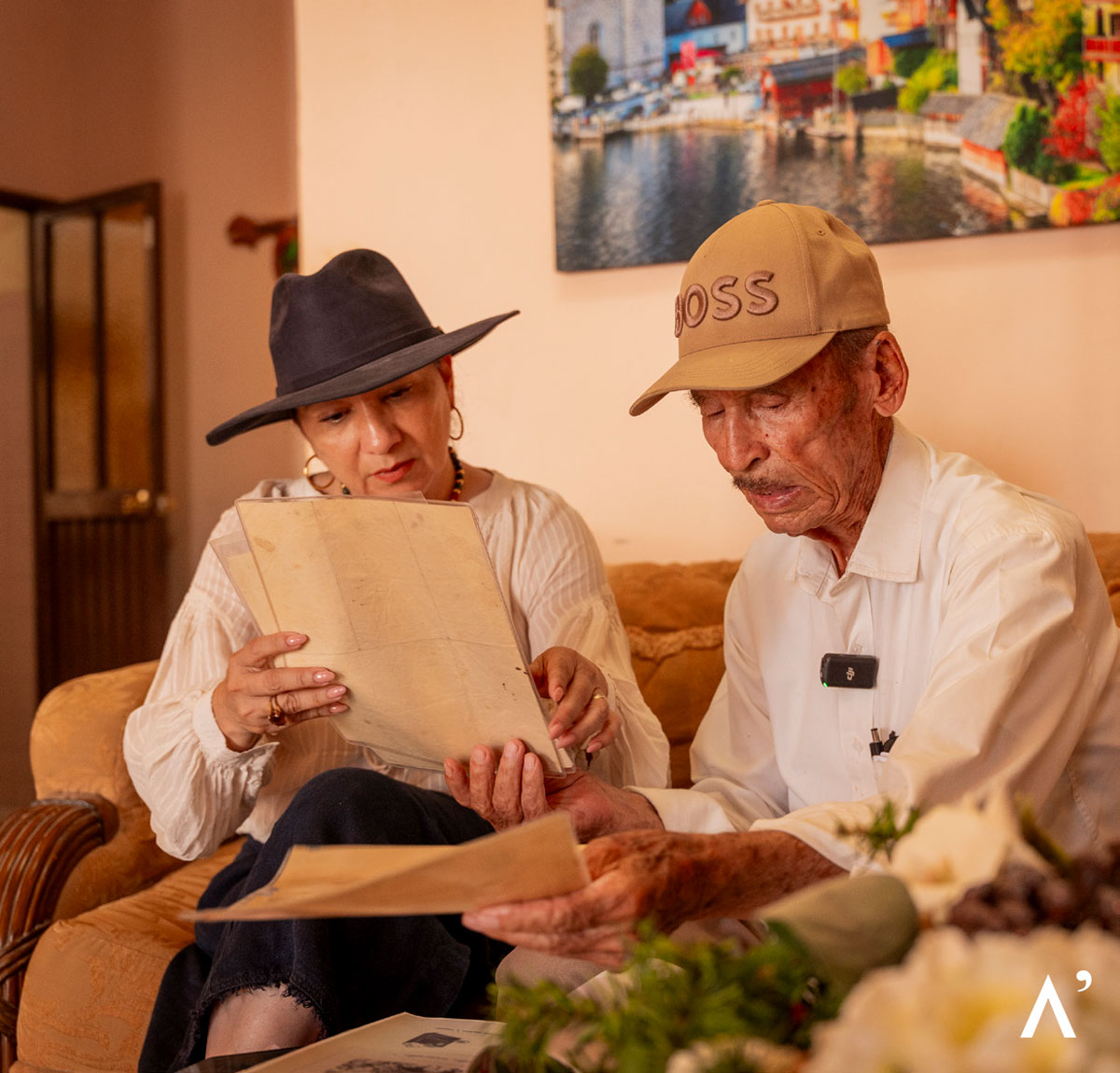
He also recalls how maritime trade revitalized the most isolated ranches: ‘There was a lot of activity when the little boat arrived. Nothing existed here, and the boat brought everything: products, gold, piloncillo, and rice.’
Today, Rubén celebrates his 17 grandchildren and resides in Ciudad Insurgentes, just a few kilometres from the ranch where he passionately farms and raises cattle. With pride and gratitude, he reflects, “Our well-being is a testament to the extraordinary assistance the general provided to the group that accompanied my father. May God keep him in His holy kingdom.”
Seventy-five years later, the legacy of those founding days resonates through the fields of the Santo Domingo Valley. Rubén recognizes that his story goes beyond mere family memory and history; it represents a collective heritage that binds the community together.