Damián Cosío
The Birth of an Idea.
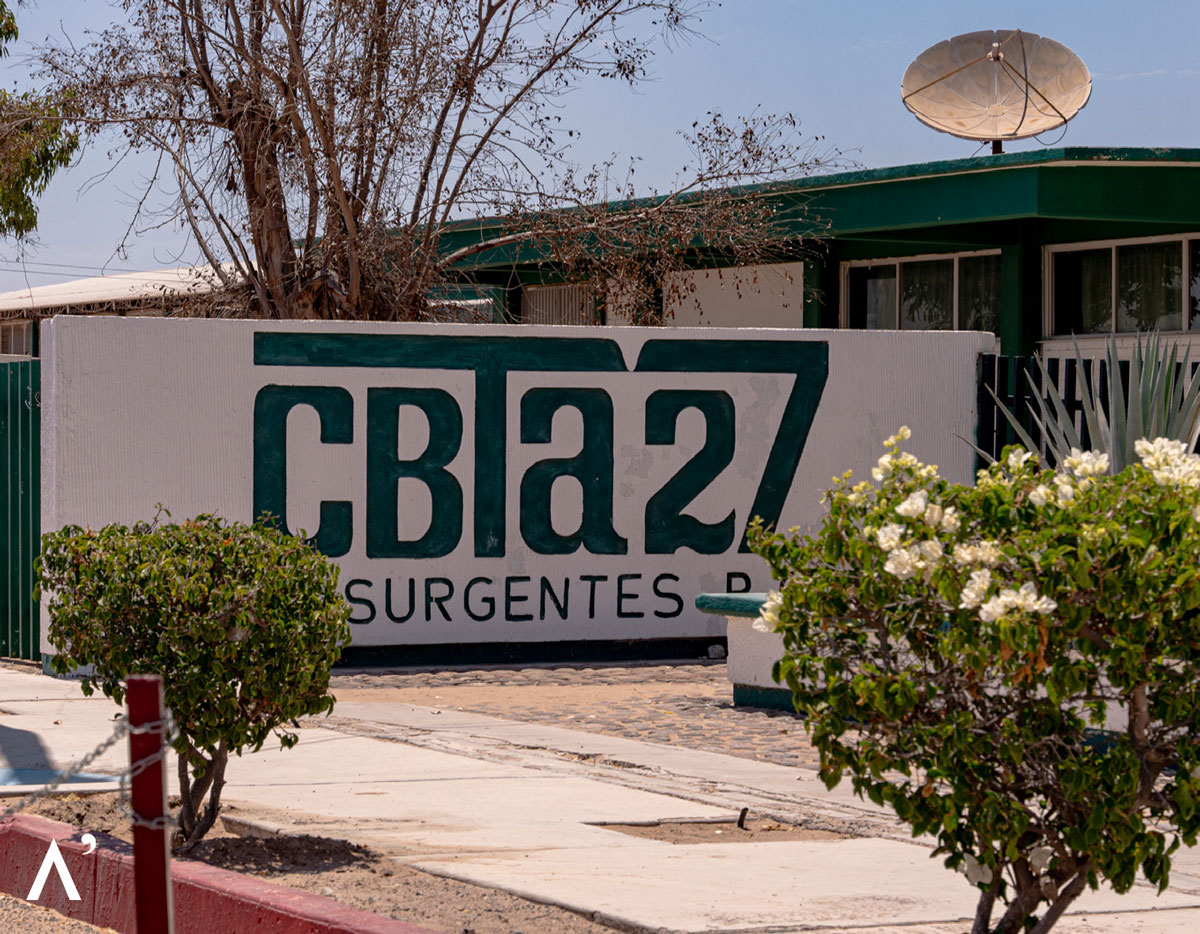
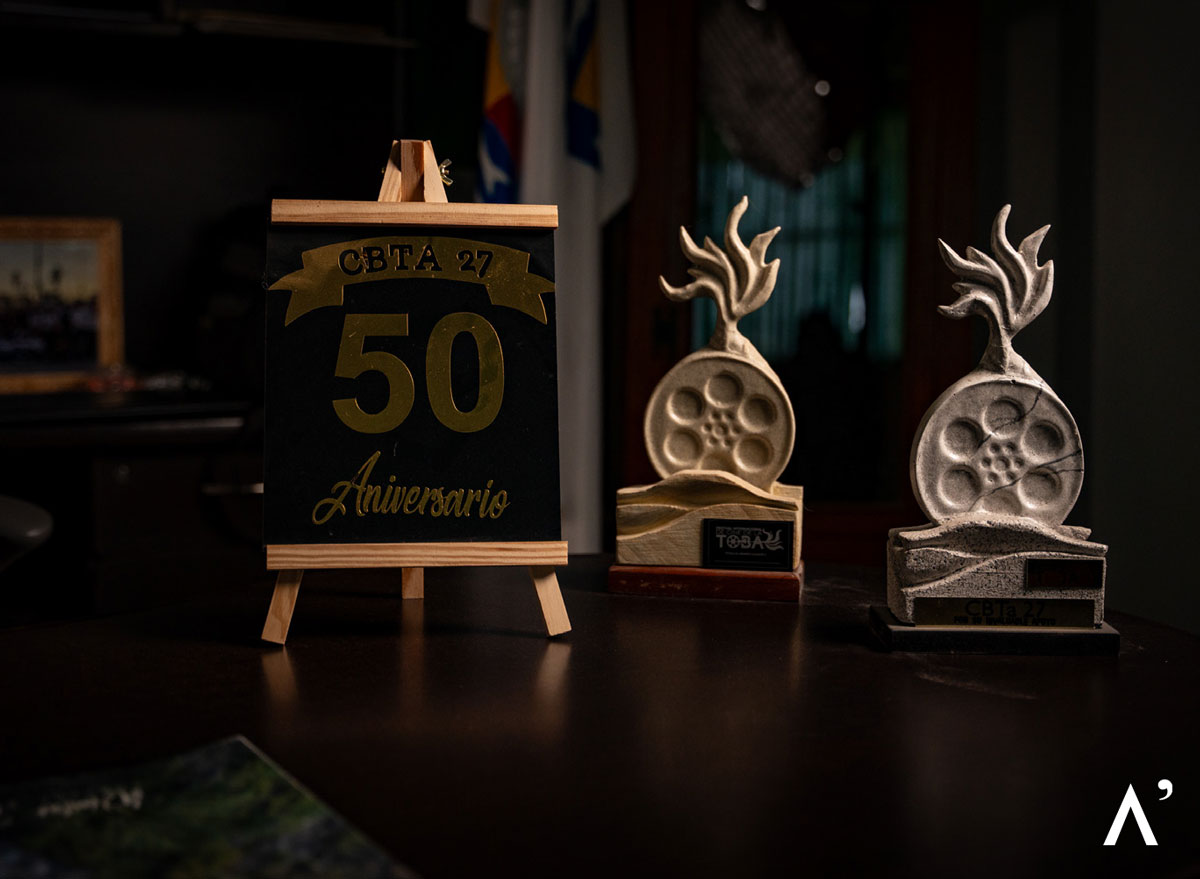
The La Toba International Film Festival has a heartwarming origin story that springs from the deep friendship between Enoc and Damián Cosío, who spent their childhood in the vibrant town of Ciudad Insurgentes. After secondary school, their journeys took them in different directions: Enoc ventured to La Paz for his studies before relocating to the bustling streets of Mexico City, while Damián pursued his education at CBTA 27, eventually stepping into the role of director there. Fate brought them back together in the capital due to work-related matters, and it was during this reunion that the spark for the festival was ignited. In the midst of a lively discussion, Enoc revealed a dream he had been nurturing. When Damián asked what they needed to make it happen, Enoc’s response was straightforward yet ambitious: “At a minimum, we need between 80 and 100 people to attend.” This simple yet powerful conversation set the wheels in motion, inspiring their community to come together and rally behind this exciting venture.
The Community Gets Involved.
The strong sense of community among the residents of Ciudad Insurgentes made it easier to organize the event. School principals and teachers were enthusiastic about the proposal and decided to get involved. Information about the La Toba International Film Festival began to spread among the 458 students in the educational community. Although the students were unsure of what to expect from the event, they were excited about the opportunity to participate in something significant.
Enoc visited the community to explain the project and expand its scope. It would not only involve short films; cinema would also come to the neighborhoods, with screens installed for outdoor screenings. This required logistical support and teams of students, who began collaborating actively. Materials were obtained from the National Film Archive, including special content for children. Student teams helped present films in various schools, exceeding all initial expectations.
The First Edition: Surpassing Expectations.
The festival’s opening ceremony was held at the Cine Estrella, an iconic roofless building that has served as a community meeting place for decades. Over a thousand people attended the event, where young filmmakers showcased short films created using their mobile phones. More than thirty short films were screened, and the students enthusiastically participated in organizing the event.
Art and Culture: A Multidisciplinary Encounter.
The festival was attended by Carlos Maciel Quijano, known as Kijano, an internationally renowned visual artist. He showcased his work and shared his experiences in a gallery created explicitly for the event. During the festival, his short film “El color de mis edades” (The Colour of My Ages) premiered. Students from various schools came to hear his story and participate in a discussion. Kijano left a lasting artistic mark as a testament to his visit and expressed his desire to return with his wife for future editions of the festival.
International Recognition and Participation.
Since its inception, the festival has hosted notable guests, including the Guatemalan Ambassador during its first edition, marking a historic event for the town. In the following years, the Canadian Embassy and Canadian artists became involved, enhancing the event and boosting community and school participation. The festival has transformed into a catalyst for change, inspiring children and young people to aspire to create f ilms and share their own stories.
Promoting Community Identity and Memory.
One of the festival’s goals is to promote awareness of the community’s origins. Monuments have been erected to honor individuals who contributed to the development of La Toba, recognizing both those who have passed away and those who are still alive but often go unnoticed. The aim is for children to learn about the stories of their parents and grandparents, appreciating the efforts of generations that made the region’s present possible.
One notable project focuses on documenting stories told by older adults. For instance, the winning story from the María Auxiliadora community, which tells the life of a local teacher, is being adapted into a short film. Damián is participating in this project as an actor.
The Agricultural and Cultural Legacy.
The contributions of those who fought for the development of the Santo Domingo Valley are significant, particularly during the boom in cotton cultivation, often referred to as “white gold.” This region was established by migrants from various states who sought better opportunities and chose to settle in the area.
Preserving our identity is crucial for understanding who we are and where we are headed. Enoc’s work has been vital in shaping the local culture, and his pride in belonging to La Toba is evident in the festival’s name, which honors the area’s history.
Opportunities for Young People and the Future of the Festival.
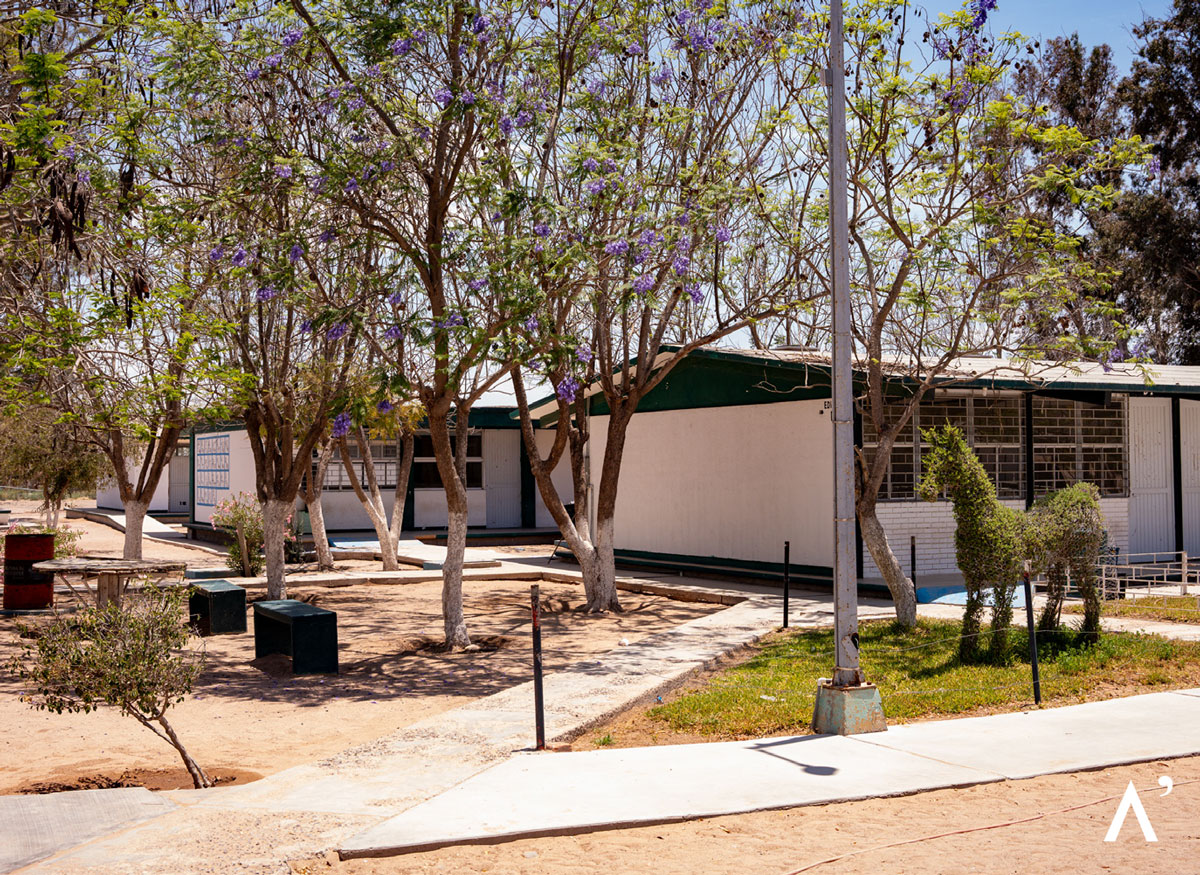
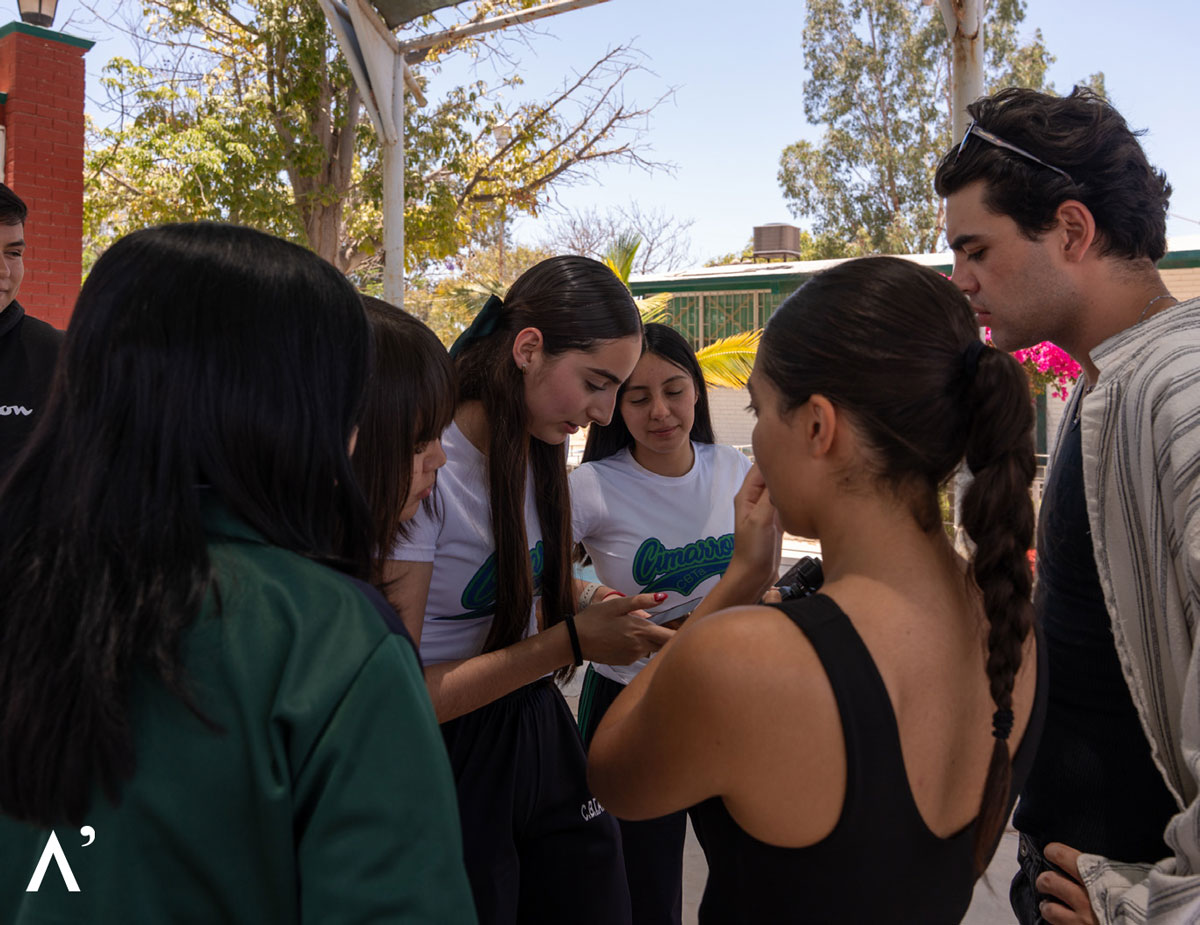
The festival has sparked a passion for art and culture among children and young people, inspiring them to consider a career in the film industry as a viable option. Their skills have consistently improved, as evidenced by their participation in successive editions of the competition. Additionally, the stunning natural environment of Baja California Sur offers numerous locations for making short films, which promotes awareness transformation through art.
In recognition of Enoc’s work, Damián organized a surprise tribute where he received affection and acknowledgment from his colleagues, as well as from municipal and state authorities.
The Present and Future: New Themes and Competitions.
For the third La Toba International Film Festival, Spain will be the guest country. This year, we are excited to announce several competitions: a short story competition, a screenplay writing competition, and a short film script competition. Additionally, we are introducing a new event—the Wrestler Design Competition. One of the key themes of this year’s festival is wrestling.
People’s struggle to get ahead, the struggle to conquer land, the struggle to conquer water, the struggle to achieve success, the struggle of parents to provide for their families and raise their children, and the struggle of human beings to achieve happiness!
We are excited to announce that we will be welcoming some prominent national figures from the wrestling community. You are cordially invited to join us for this significant celebration, which is vital to the people of La Toba, the municipality of Comondú, and the state of Baja California Sur. We look forward to seeing you there! This concludes our interview with Damián Cosío.