Rodimiro Amaya Zamorano
Each tree tells its own story in the fields of Rodimiro Amaya Zamorano. For him, agriculture is a passion passed down through generations. The fertilization system he uses combines insecticides and nutrients with an emulsifier, turning them into a liquid that plants can digest. This liquid is then sprayed onto the trees. This method not only makes sure the trees absorb all the necessary elements but also helps fight soil salinity. The water then goes through a desander and filtering process before returning enriched to the field, ready to continue its life cycle. Rodimiro sums it up this way: ‘This system allows us to make nutrients highly assimilable, even in difficult conditions such as soil salinity.’
Citrus fruits, Rodimiro explained, pose a special challenge. Being perennial, they take time to show results after fertilization. His love for these fruits stemmed from his father’s influence and his experience in the Guadalajara market, where he learned the importance of marketing. When he arrived in Comondú, he saw immense untapped potential: with investment and dedication, he managed to increase yields by 300% and believes it is still possible to double them.
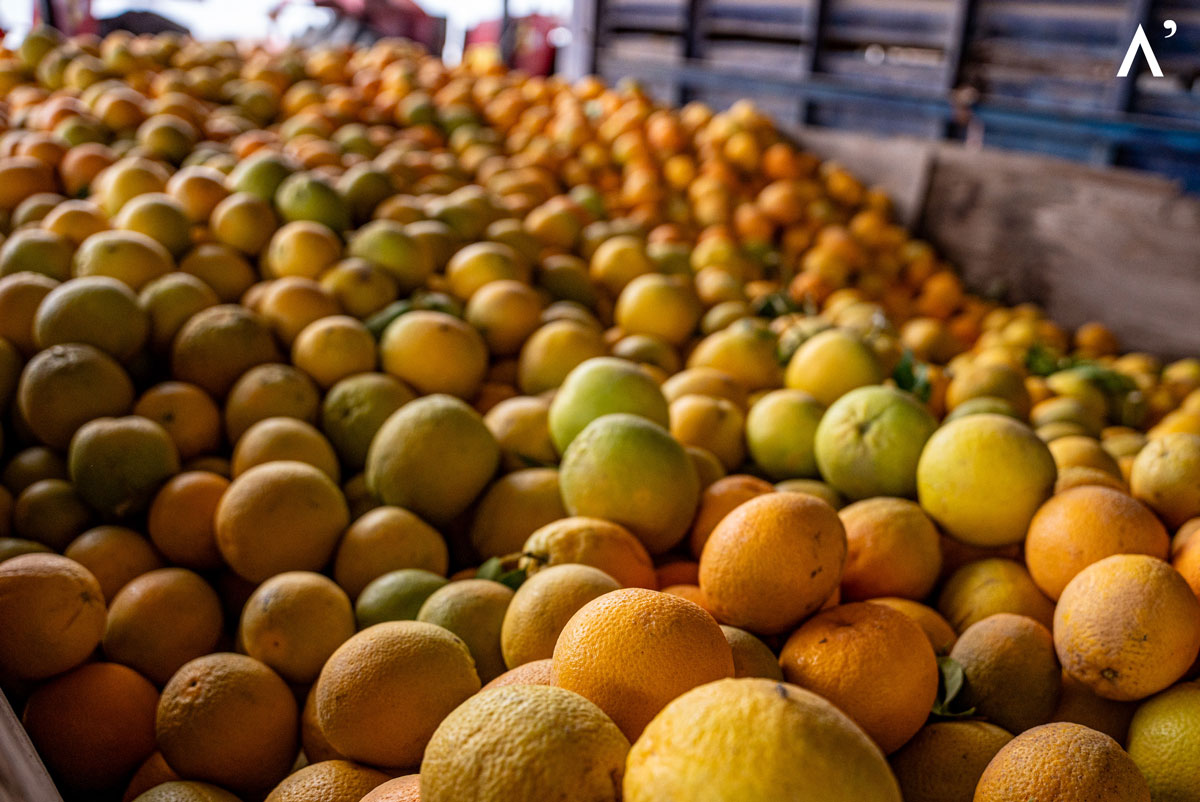
Rodimiro recalls his early days working with his father, his mentor and best friend. Although each pursued different paths—he with oranges and his father with chickpeas—they share a deep passion for the land. This bond is also evident in their shared interests, such as racing: pickup trucks for one, buggies for the other. Today, Rodimiro is part of the third generation of farmers, with children making up the fourth, some of whom are already eager to carry on the family legacy.
Technology has also changed the way they work. To protect the trees from frost and heat dehydration, he has installed sensors that constantly monitor their hydration levels. The fruit they produce is aimed at the domestic market and, in some cases, for export. Rodimiro points out that smaller oranges are sweeter, while larger ones provide fiber, which is perfect for satisfying hunger.
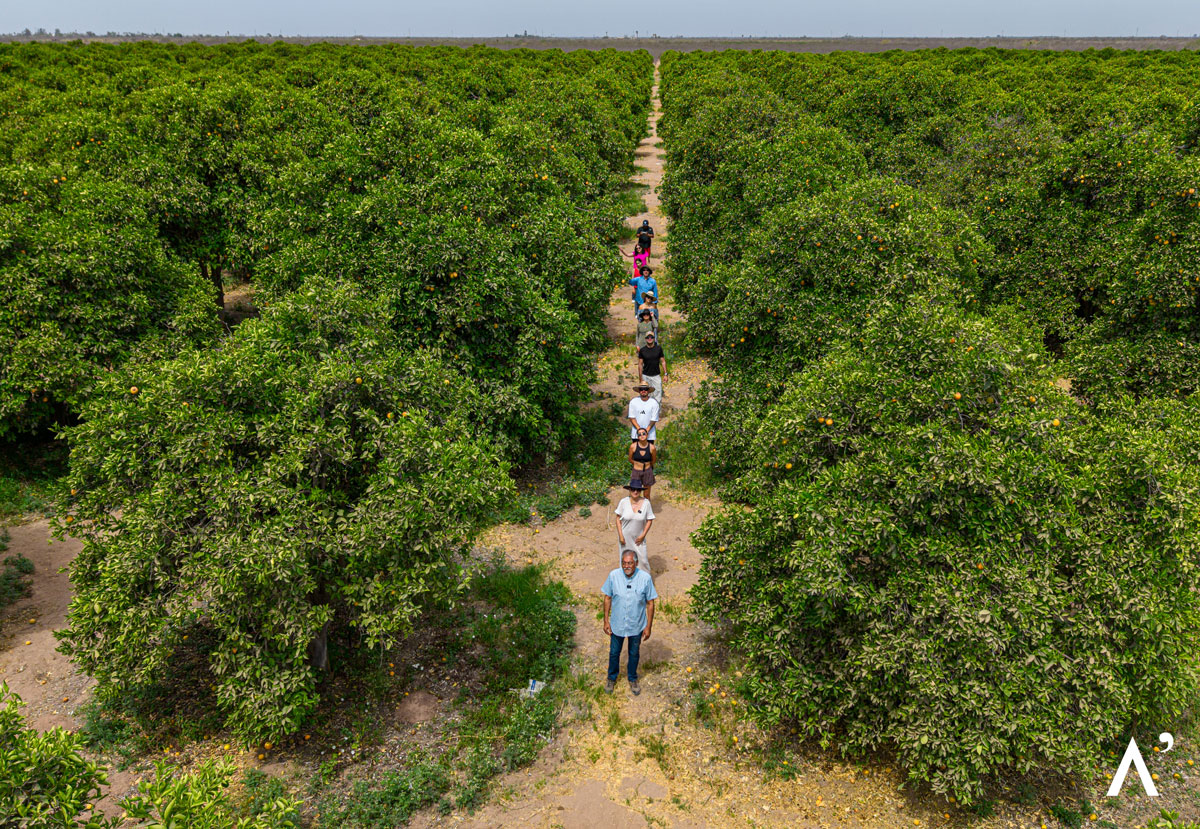
When he discusses trees, he does so with almost scientific precision: ‘Each tree has thousands and millions of data points,’ he says. Diseases usually start in the roots, not in the canopy, and factors such as the moon, temperature, and the presence of bees affect their care. Today, thanks to sensors and technological analysis, it is possible to accurately measure the nutrients in the leaves, as if it were a blood test for the plant.
For Rodimiro, farming is a family legacy, a daily challenge, and an art that blends knowledge, discipline, and love for the land.