C U LT U R E & A R T
“True luxury in a destination lies not in what is new, but in the identity it chooses to preserve.”
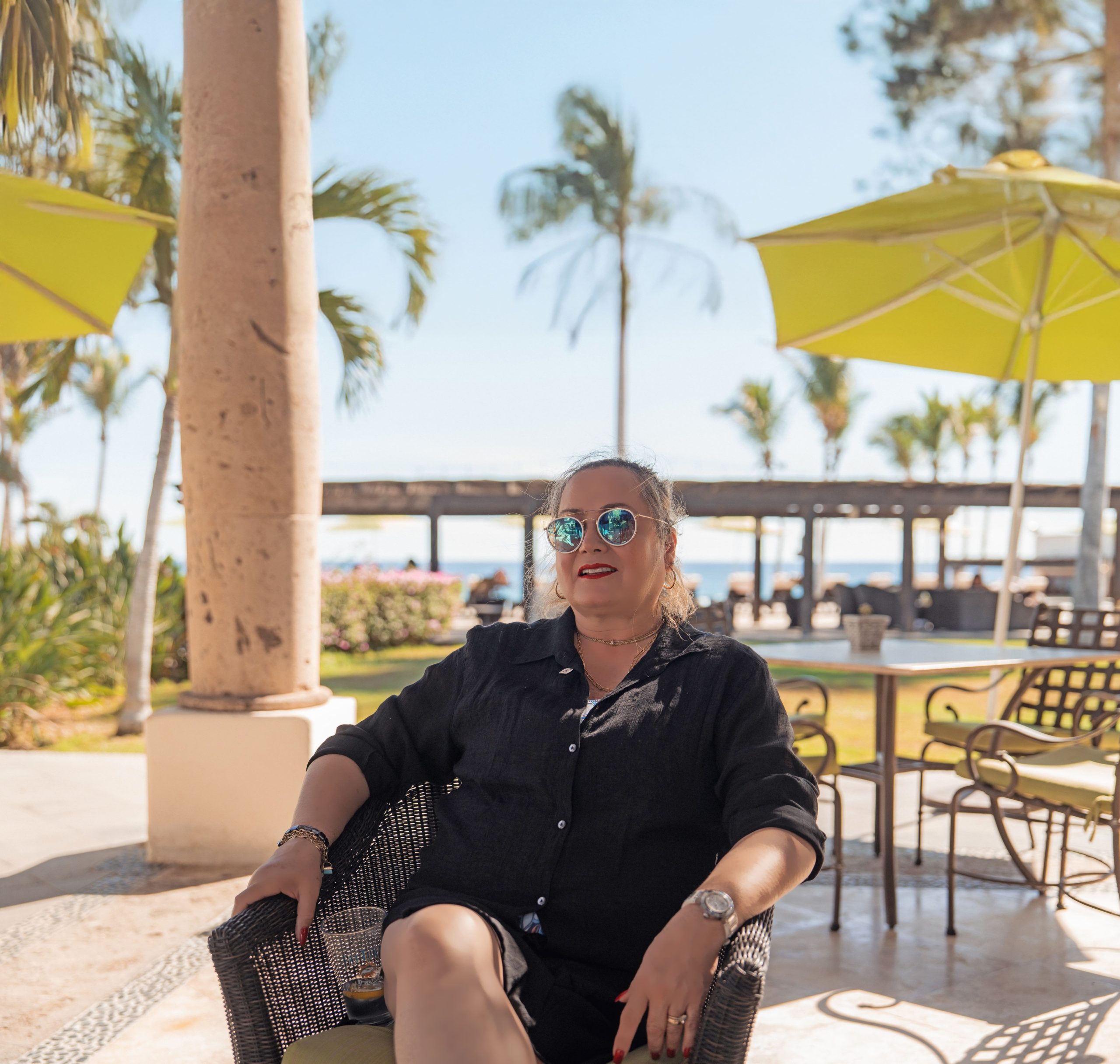
My name is Rosa Luz Treviño de Mayfield. Thirty-six years ago, I arrived in this wonderful town to settle permanently after completing my university studies. Our arrival in Los Cabos traces back to my mother, who met Sergio Rodríguez, a well-known figure in the region, while living in Guadalajara. Through that friendship, she visited Cabo San Lucas when it was still a charming fishing village and immediately recognized the area’s potential.
My mother began by selling handicrafts to an Argentine woman who owned the only shop in town. This experience inspired her to open her own gallery, focused on high-quality Mexican folk art, including Huichol pieces and Tenango textiles. Thus, Galería Sol Dorado was born, with its first location opening in Cabo San Lucas—before the marina even existed.
Anecdotes and Early Lessons I treasure many memories from those early years, including the time Sammy Hagar visited the gallery. After purchasing several sculptures, he paid with an exclusive credit card, leaving me with a lasting lesson about treating everyone with respect, regardless of appearances.
With a forward-thinking mindset, my mother proposed opening a second gallery in San José del Cabo, where no such space existed. We became pioneers in that field, and the gallery grew little by little. After finishing my degree, I joined my mother, and we began working together.
Growth and Expansion During one of my walks through San José, I discovered an old house with a large garden and immediately envisioned it as a gallery space. We managed to lease the property and, over time, learned a crucial lesson: never build on land you do not own. Although the business prospered, we had invested heavily and depended on third-party agreements.
San José del Cabo began to flourish. More shops and restaurants opened, and alliances were formed to promote the town center. Figures such as Armida Castro, Enrique Silva, and Loic Tenoix participated in these efforts. However, managing multiple stores in airports and other cities limited the time we could dedicate to local initiatives.
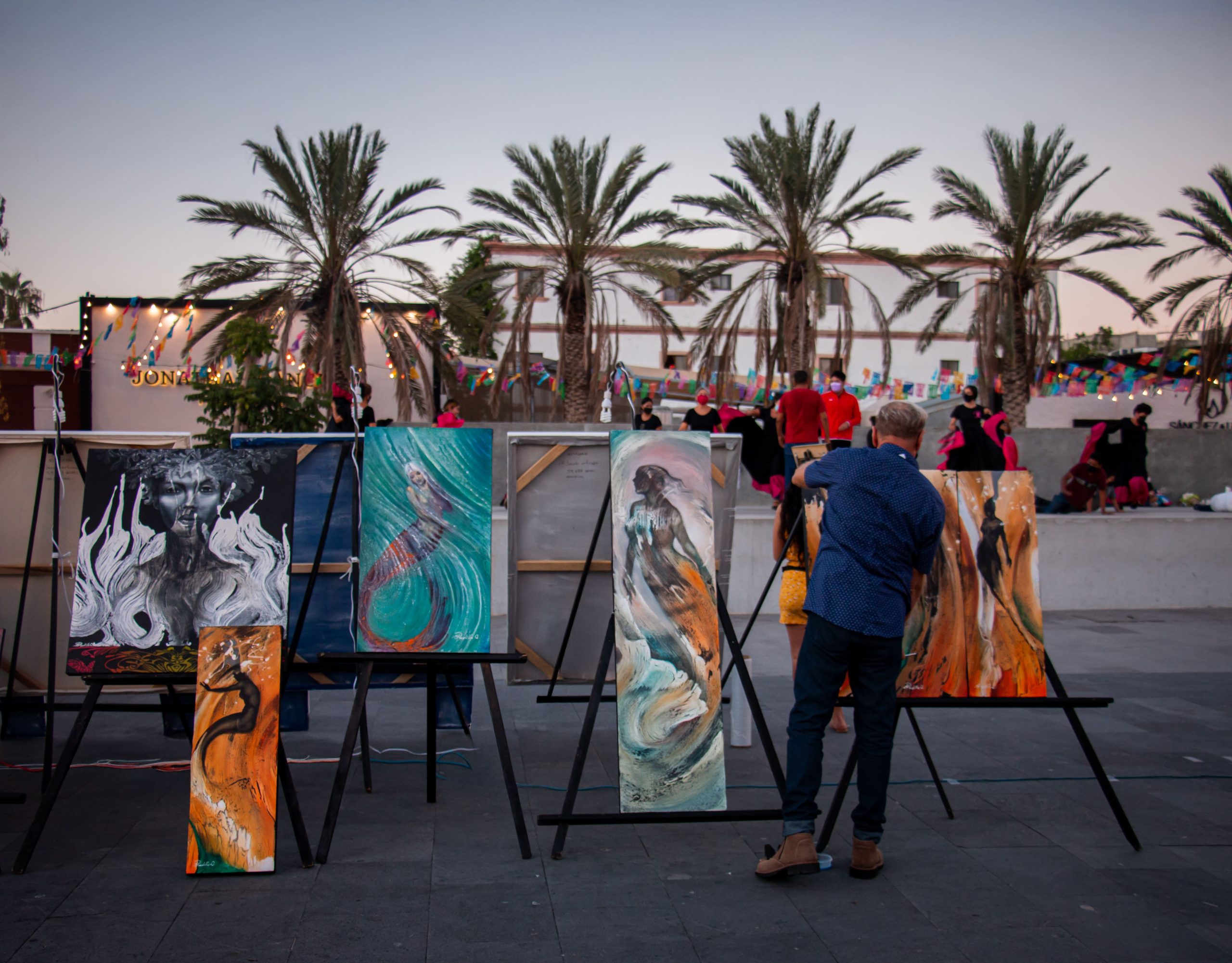
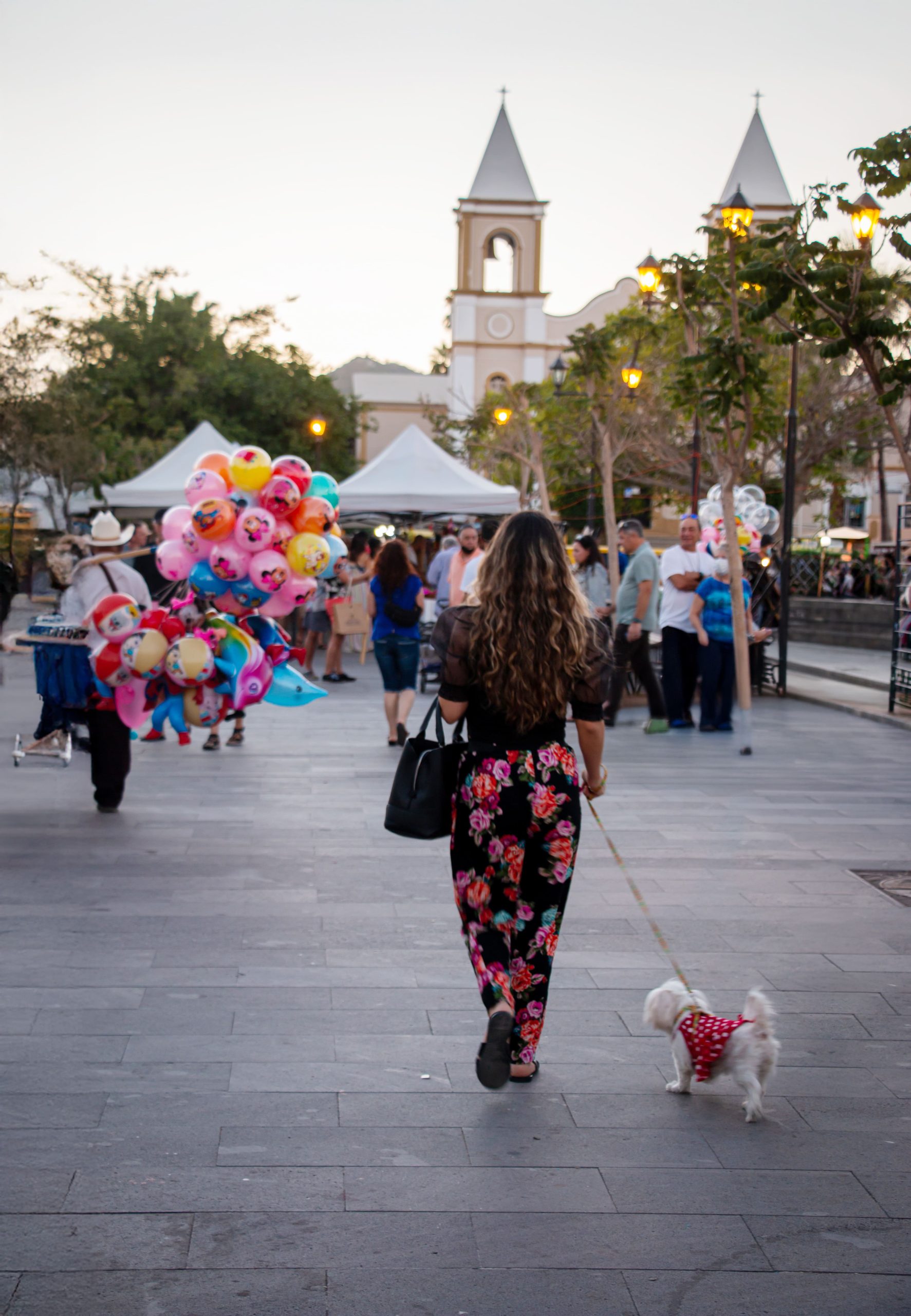
The Historic Center and the Art District Over the years, what would become the Art District began to take shape, initially spanning just a few streets. We organized to identify and protect historic buildings, personally covering the costs of permits and technical studies. Eventually, the Historic Center of San José del Cabo was officially defined in three zones—downtown, the estuary, and the cemetery—through collaboration with authorities and fellow entrepreneurs.
The Art District formally launched in 2001, inviting visitors to explore galleries during the low season. After returning from a stay in Texas, I found a thriving artistic scene. In 2007, we began organizing the Art Walk, strengthening partnerships among galleries and reinforcing the historic center’s identity.
Renovation: Achievements and Challenges The process was demanding but deeply rewarding. Together, we created a tourism product now recognized worldwide: the Historic Center of San José del Cabo. Teamwork was essential, and at the time, Governor Marcos Covarrubias provided funding through a trust, enabling significant progress in the renovation.
Construction was carried out in phases to minimize disruption to businesses, though some merchants resisted due to temporary closures. Weekly meetings with authorities, developers, and business owners were key to monitoring progress and addressing issues. Over time, however, lapses in oversight led to current infrastructure challenges.
Current Challenges and Reflections Today, the main challenges include insufficient investment in basic services such as water, electricity, and connectivity, as well as uncontrolled growth. Harnessing resources like solar energy to illuminate the historic center is essential. We conducted photographic studies of the streets to highlight the need for improvement and to avoid settling for mediocrity.
Alongside Blanca Pedrín, I helped lead negotiations and collaboration with authorities and entrepreneurs. Despite personal sacrifices and occasional disagreements, the satisfaction of contributing to the destination’s development outweighs the difficulties. Our work aimed to strengthen San José del Cabo as a complement—and a contrast—to Cabo San Lucas.
Community Involvement and Governance The association operated solely through member dues and the support of allies such as Rubén Reachi, who helped us produce visitor guides through the Los Cabos Tourism Trust. Business meetings were frequent and often tense due to the number of leaders involved, but they were necessary to reach a consensus.
We invested personal time and resources, sometimes at the expense of our own businesses, because we believed in the project. My hope is that future generations will commit to preserving and continuing this legacy.
Regulation and the Road Ahead We now have a strong regulatory framework for the Historic Center, covering everything from urban planning to architectural identity. Its approval was made possible by the involvement of municipal, state, and federal authorities. Yet beyond regulations, it is the will of both officials and business owners that ultimately ensures sustainable growth and the protection of our shared heritage.
The future of San José del Cabo’s Historic Center depends on the commitment and love of those who now call it home. I celebrate that individuals like Blanca Pedrín continue to carry this collective effort forward.