C U LT U R E & A R T
“More than managing an urban project, she helped shape an identity that is now lived, walked, and shared.”
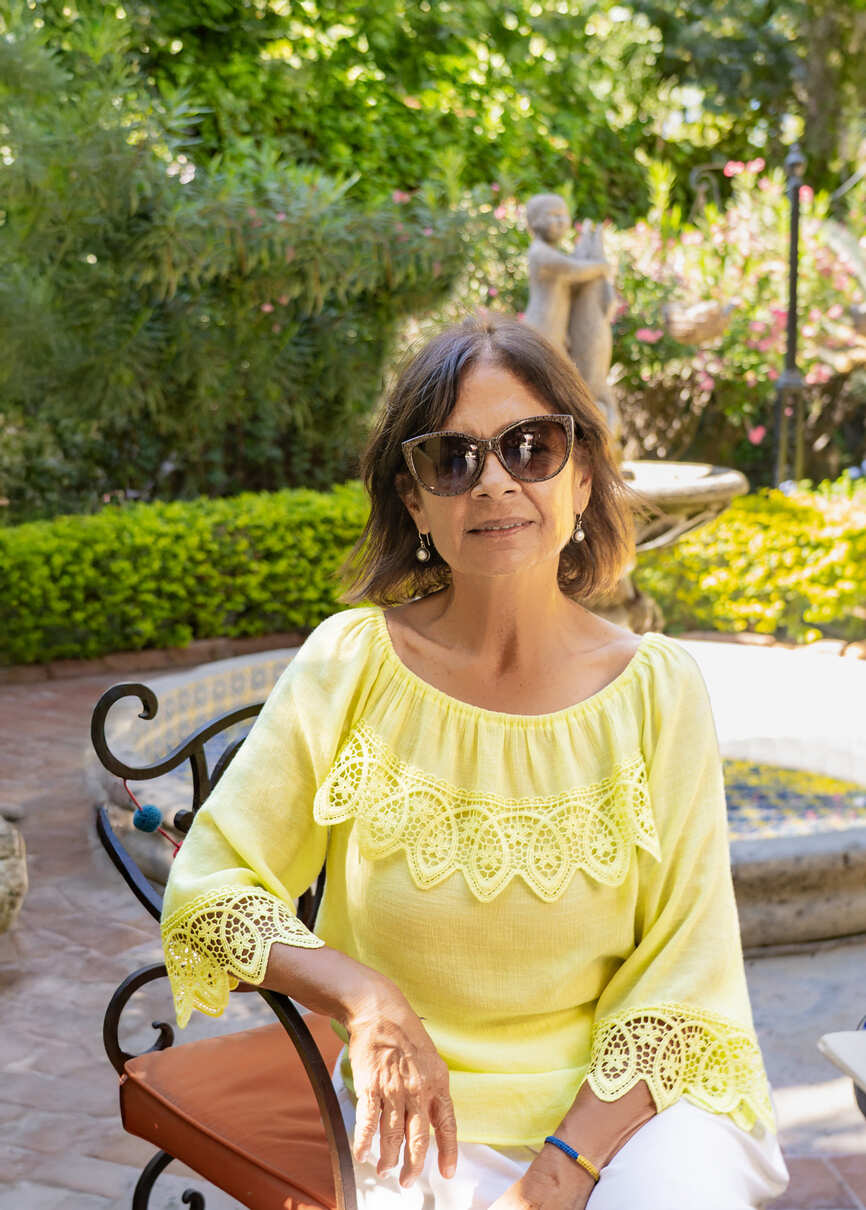
I arrived in Los Cabos at the end of 2002. After regularizing my immigration status, I immediately obtained a work permit. I submitted my résumé to Grupo Tropicana, where I met Mrs. Armida Castro, who became a key figure in my professional life and opened many doors for me in this destination. I worked as her assistant at the Tropicana Hotel, which at the time featured a restaurant, a souvenir shop, and a jockey club. The hotel was a gathering place for both locals and tourists, especially during events such as performances by Rosalía de Cuba, the New Year’s brunch, and the traditional Sunday breakfasts after Mass that brought entire families together,.
Relationships and Community Involvement My close working relationship with Armida and her network had a very positive influence on my experience, allowing me to actively participate in meetings convened by the Historic Center. Due to Armida’s busy schedule, she often asked me to represent her, which required me to be punctual and to take detailed notes at every meeting, firmly believing in the importance of documenting agreements and proposals.
My Appointment Within the Association Fernando Rivera, may he rest in peace, invited me to serve as the association’s technical secretary. This position was officially granted by the board of directors led by Enrique Silva. Fernando, a consultant and advisor, played a very active role in the Historic Center. I became responsible for managing official meeting notices and minutes, and for keeping all documentation in order, laying solid foundations for the association’s work.
Formalization and Organization of the Association One of the most significant early achievements was the formal notarization of the first quadrant of the Historic Center. This step was essential to operate from a recognized legal standing and to clearly define the scope of our actions. I have always found it easier to work when expectations are clear; this allowed me to organize ideas, thoughts, and actions, contributing to the creation of ten commissions within the association.
Challenges and Interinstitutional Collaboration Our work required consideration of many factors beyond our direct control: we depended on collaboration with federal, state, and municipal governments, as well as other stakeholders, to validate processes. Securing funding for the renovation was a marathon effort that required collective commitment and perseverance.
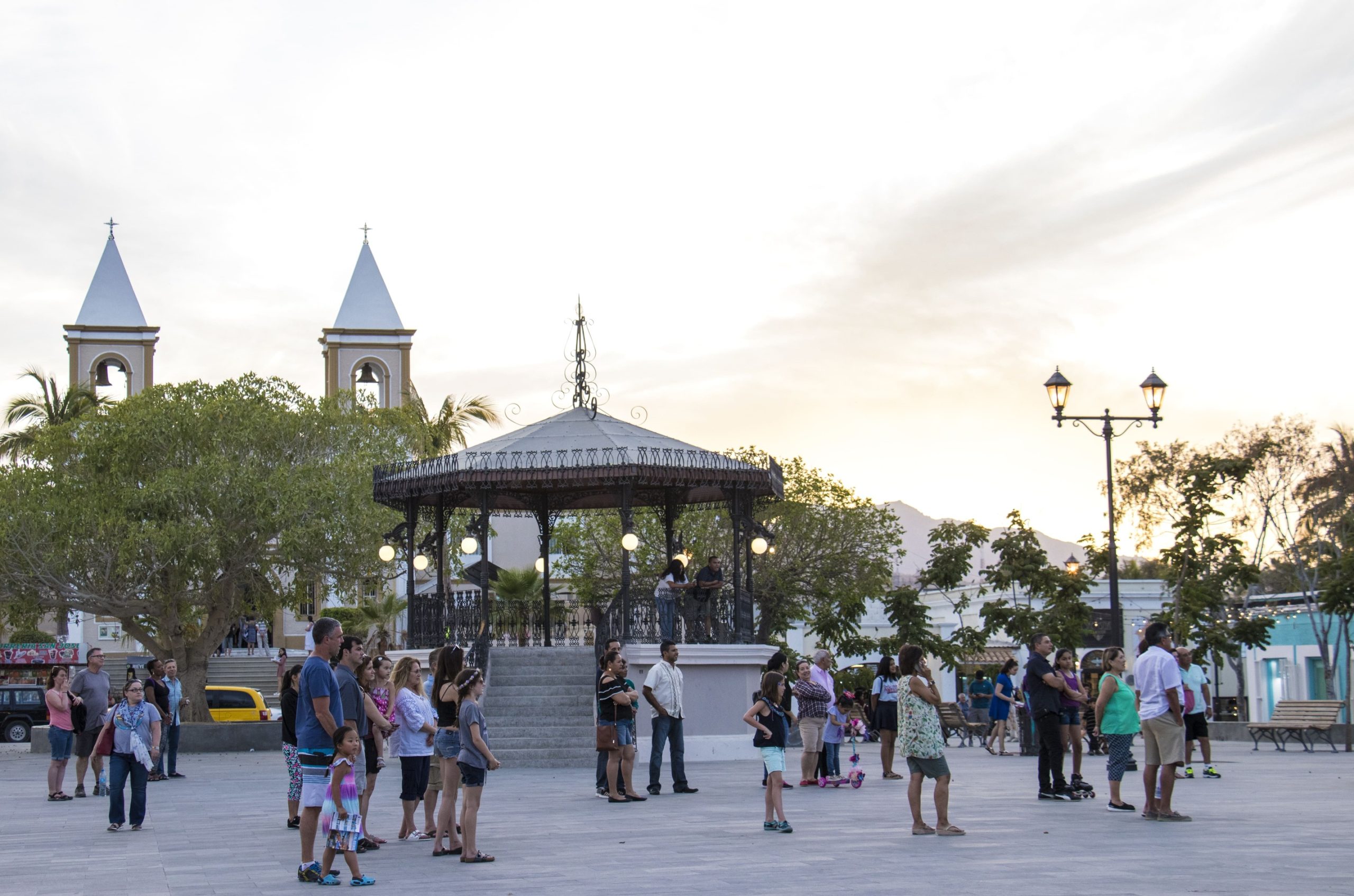
The Renovation of the Historic Center: A Before and After Describing the renovation of the Historic Center means speaking of a turning point—a profound transformation that strengthened the community. Commissions and counterpart teams were created to address each aspect of the project. An invaluable contribution was the executive project led by Irene Bustos, which served as a letter of introduction to authorities, invited guests, private investors, and the general public. The credibility of our project was fundamental to moving forward.
Project Details and Technical Considerations Various aspects were analyzed, including the types of trees to be planted, to prevent pavement damage and facilitate maintenance. Street layout, the use of porphyry stone, lighting installation, and waste bins were all topics discussed and resolved collectively. The project also included underground installations and preparations to offer Wi-Fi, anticipating future needs.
During construction, residents were taken into consideration, with concessions granted to allow 24-hour access to their properties. My role was to resolve any issues that arose, foster unity among residents, business owners, and the board of directors, and serve as a liaison to strengthen communication and collaborative efforts.
Security, Communication, and Business Participation I assumed responsibility for matters related to security and traffic. The budget included the purchase of radios, and thanks to a private donation, tourist police were provided with scooter-style vehicles for patrols. Communication with the General Secretariat of the Municipal Presidency was constant and effective, which facilitated problem-solving and the processing of requests.
Committees and Notable Collaborators The treasury was overseen by Gabriel Corral, who owned a real estate agency, along with four others. I also recall Nathalie Buchler in the boutique hotels commission, Patricia Mendoza in the galleries commission, and Irene Bustos on the architectural committee. Business leaders such as the Sánchez family, Magdalena Torres, and Lety Klein participated actively in the process.
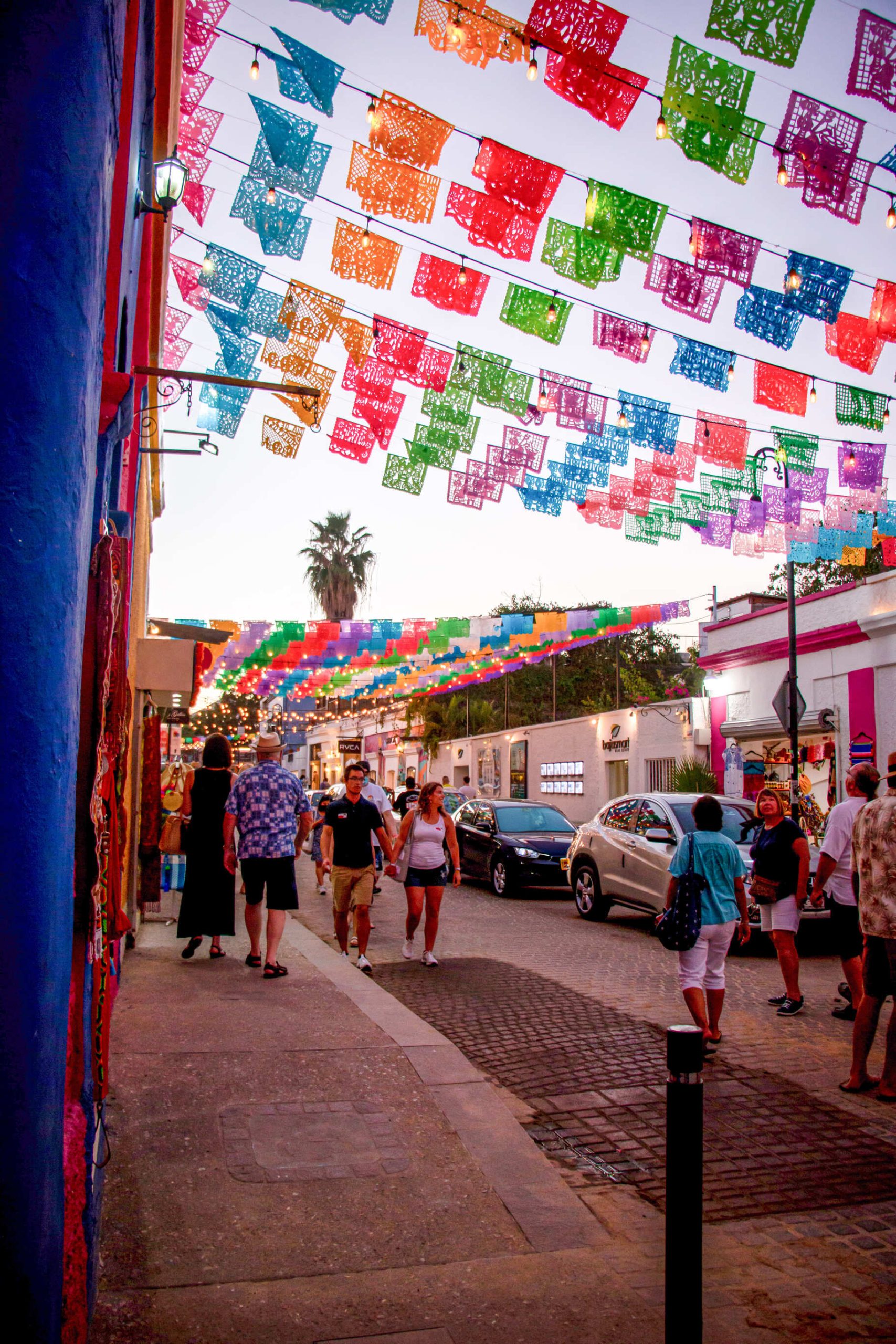
Ongoing Work and Current Challenges I have worked closely with different boards of directors and with individuals such as Marco Klein, Armida Castro, Fernando Rivera, Andrea Ehrenberg, Rosal Luz Treviño, and Fernando Hernández. At one point, we reached more than 80 affiliated businesses, including restaurants, shops, artisan stores, jewelry stores, galleries, and residents. After the fourth phase of the project, the association lost momentum. Still, work has recently resumed under the leadership of Blanca Pedrín.
Social Commitment and a Citizen’s Perspective I remain attentive to current municipal affairs, as I believe the news accurately reflects reality. I am concerned about infrastructure delays, such as the abandoned theater in San José and the lack of adequate parking. I continue to advocate for installing a tourist information booth that offers real assistance, beyond simply handing out brochures.
The Value of Citizen and Business Participation Institutions are key tools for citizens when negotiating with the government and other entities. The business community’s participation is essential. My greatest contribution to the Historic Center Association has been the time I have dedicated to it, and every day I feel satisfied and deeply grateful for the opportunity to collaborate on this collective project.