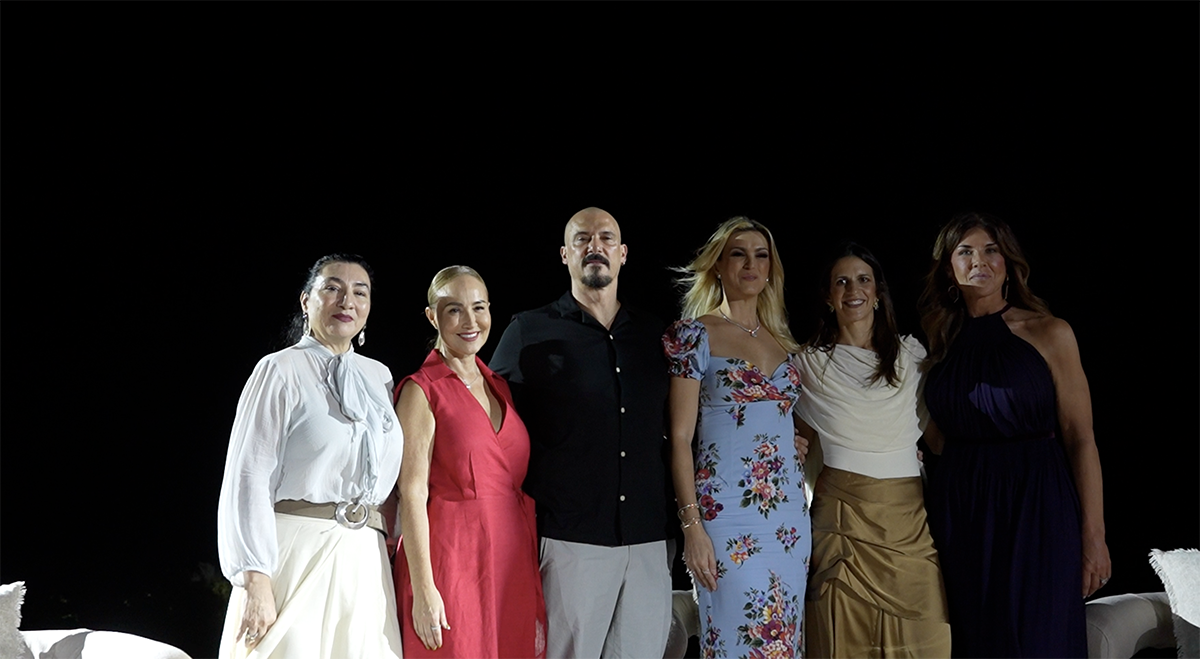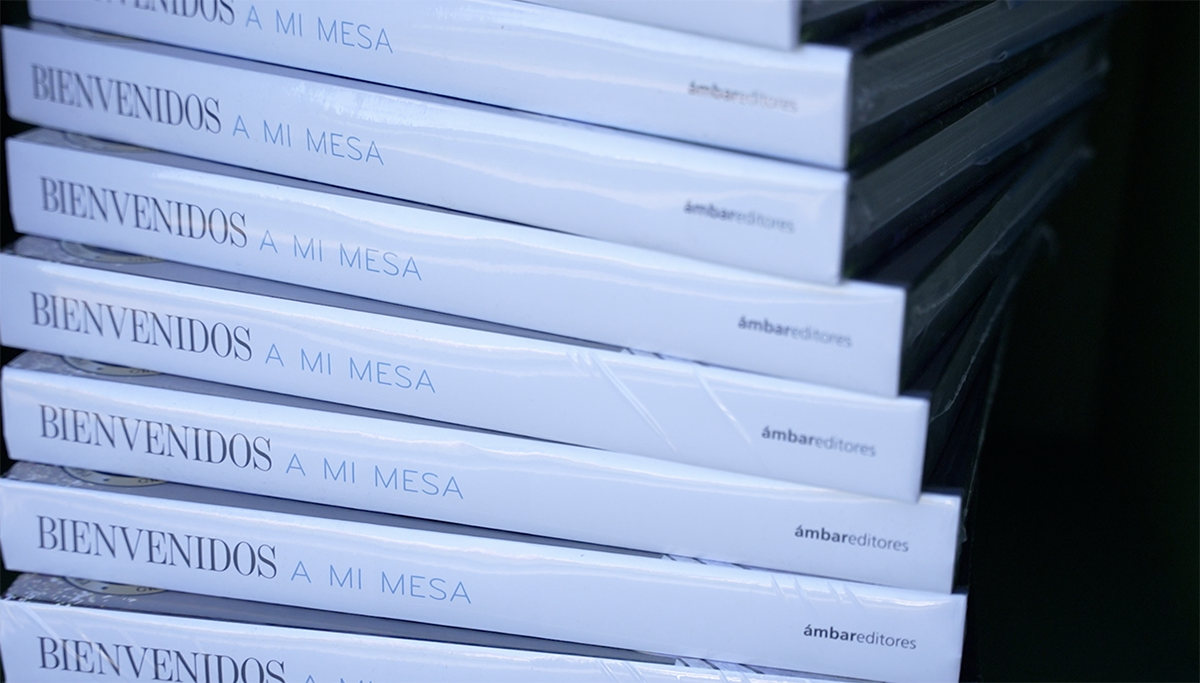
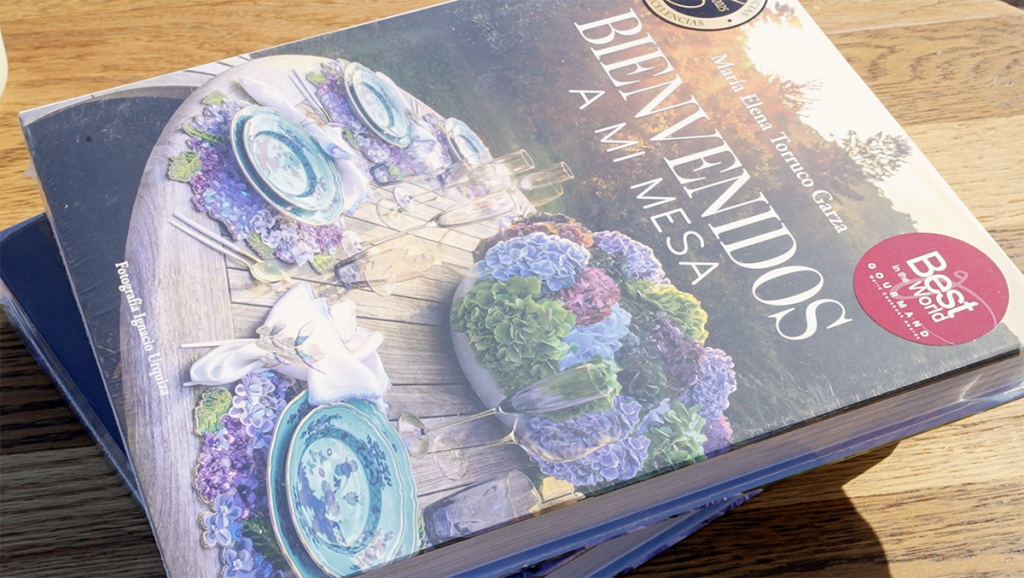
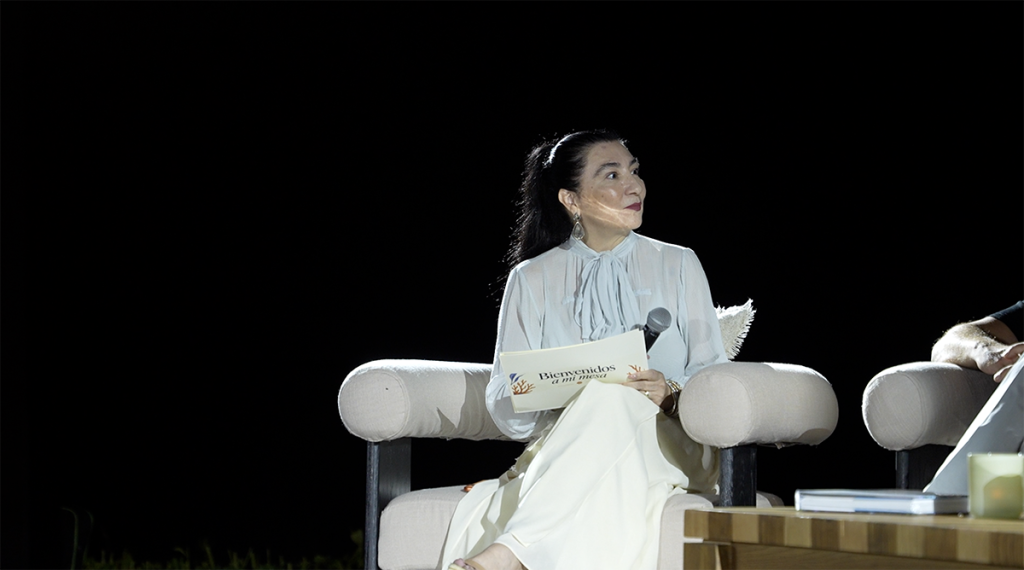
María Elena Torruco Garza presented her book Bienvenidos a mi mesa during an evening that brought together gastronomy, design, floral artistry, and Mexican traditions, with hospitality as the unifying theme.
Hospitality begins long before guests take their seats. It reveals itself in the thoughtful selection of every detail, in the intention to share, and in the ability to make everyone who gathers around our table feel truly welcome.
With this philosophy at its heart, Los Cabos welcomed María Elena Torruco Garza, author of Bienvenidos a mi mesa (Welcome to My Table), for a gathering that celebrated Mexico’s cultural richness and the art of welcoming others through gastronomy, design, and tradition.
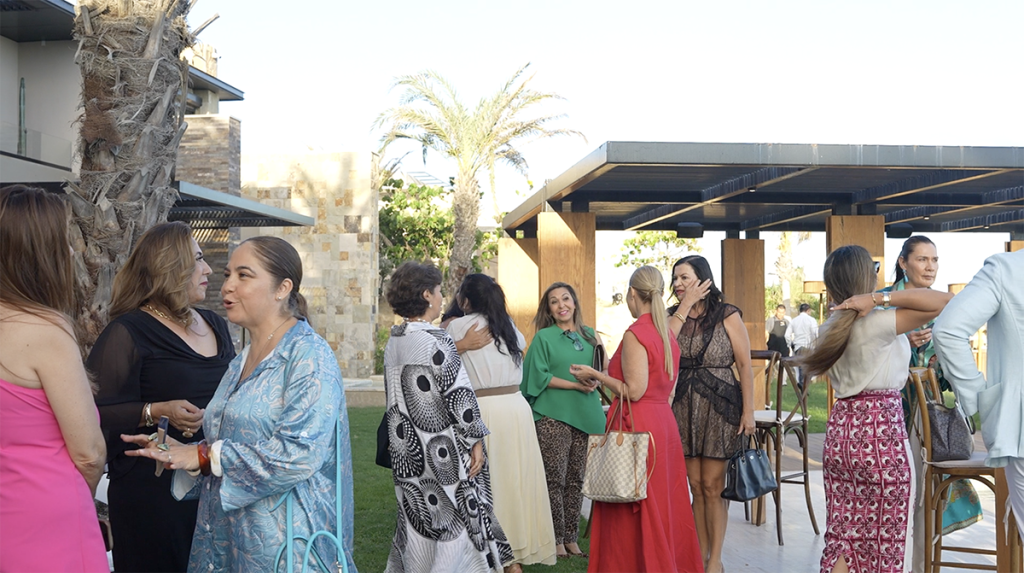
The presentation took place at Zadún, a Ritz-Carlton Reserve, where the destination’s natural beauty provided the backdrop for an experience designed to demonstrate that true luxury also lies in thoughtfulness, creativity, and generosity.
Organized through the initiative and coordination of Simonetta of Siscani Group, the event brought together representatives from the design, hospitality, and business communities.
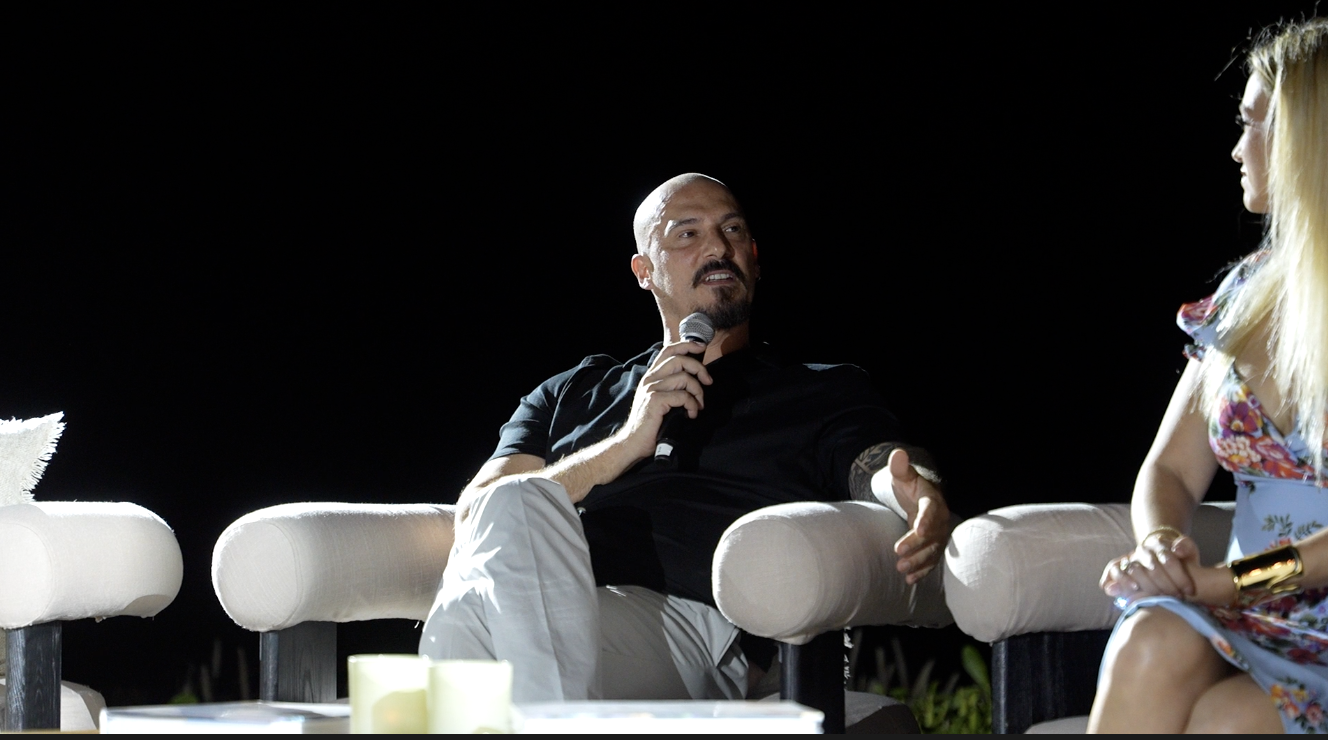
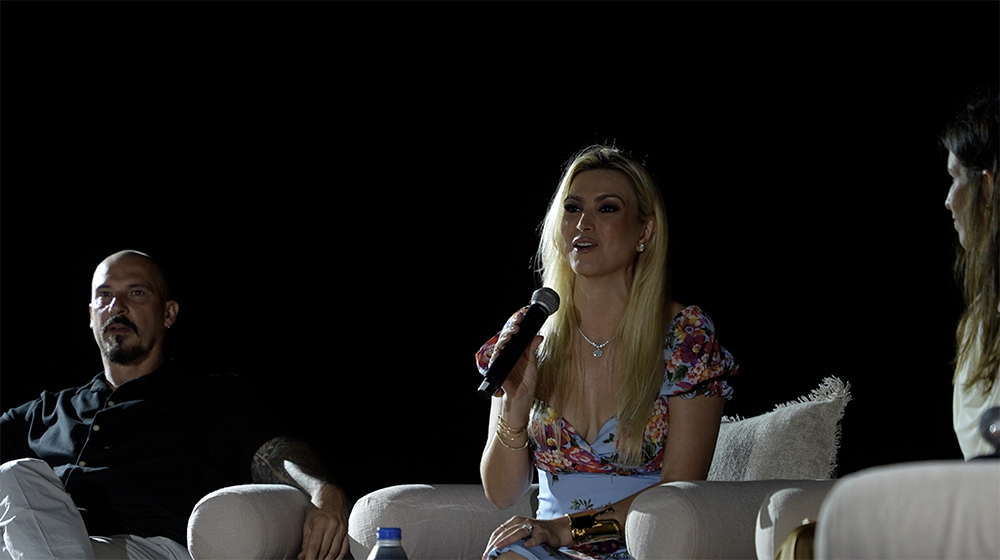
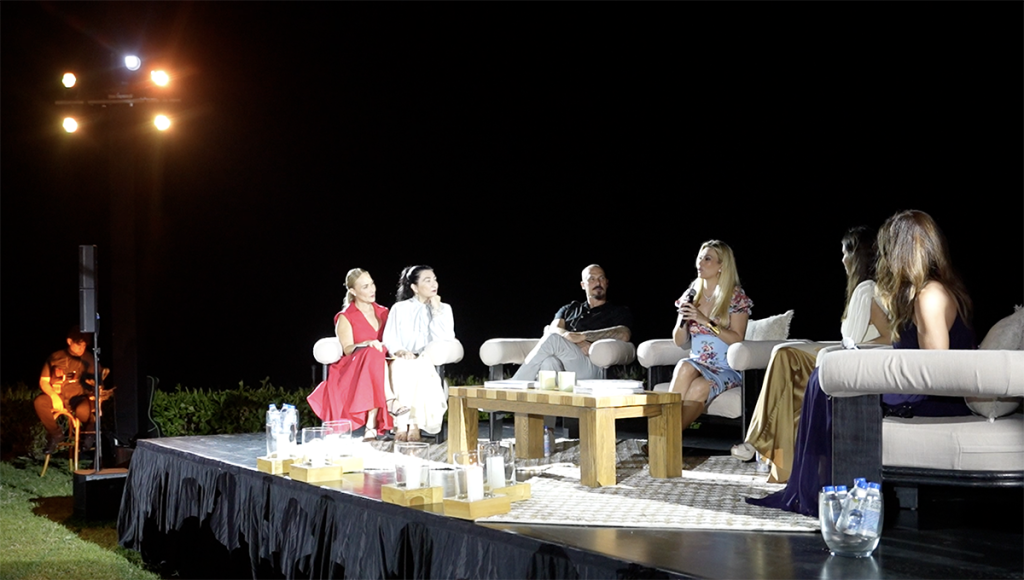
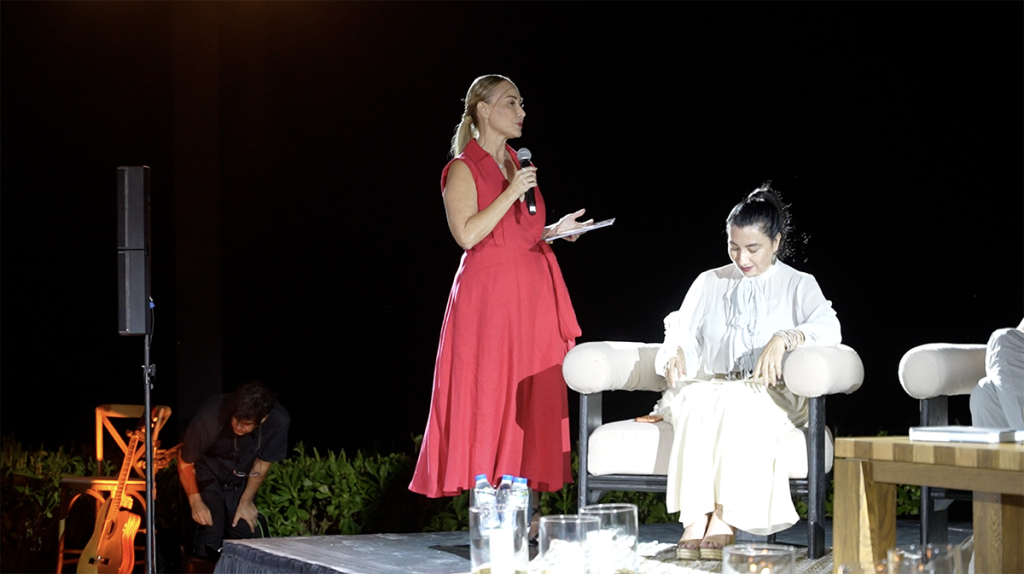
The conversation was co-hosted by Vanessa Fukunaga, editor of Ocean Blue and president of Engel & Völkers Los Cabos, and Claudia del Pino, founding partner of Tendencia, Culinary Awards, and Cabo Queens. Together, they guided an engaging discussion that revealed the stories, research, and personal experiences behind the book.
Through their questions and reflections, both hosts explored with María Elena the meaning of Mexican hospitality, the evolution of etiquette, the importance of family traditions, and the role of design in the art of entertaining.
The conversation also featured Simonetta and Luca Ravera, founder and creative director of Aria Vera, who shared the creative process behind the three tablescapes designed especially for the occasion.
A Book That Brings Together History, Traditions, and Family Memories
More than a book about etiquette, Bienvenidos a mi mesa offers a perspective on Mexican identity through its customs, cuisine, and the human connections formed around the table.
During the conversation, María Elena explained that the project originated from research she conducted for her undergraduate thesis in Gastronomy, a body of work she preserved for approximately twenty years before transforming it into a publication.
To enrich its historical content, she collaborated with Manuel Ramírez, director of the Centro de Estudios de México at the Carlos Slim Foundation, who contributed information on traditions and the evolution of dining etiquette.
Among the discoveries she shared was the sophistication of Moctezuma’s royal court, where dining customs and service practices reflected the deep historical roots of Mexican hospitality.
Her intention, however, was never to create a rigid etiquette manual. Instead, she wanted to inspire people to come together, rediscover family traditions, and find new reasons to share meaningful moments.
For María Elena, the table represents far more than a place to enjoy a meal. It is where families create memories, celebrate important milestones, and strengthen bonds across generations.
In a world defined by busy schedules and constant movement, her invitation is simple: spend more time with those we love and allow meaningful moments to last a little longer.
Three Tables, Three Interpretations of the Art of Entertaining
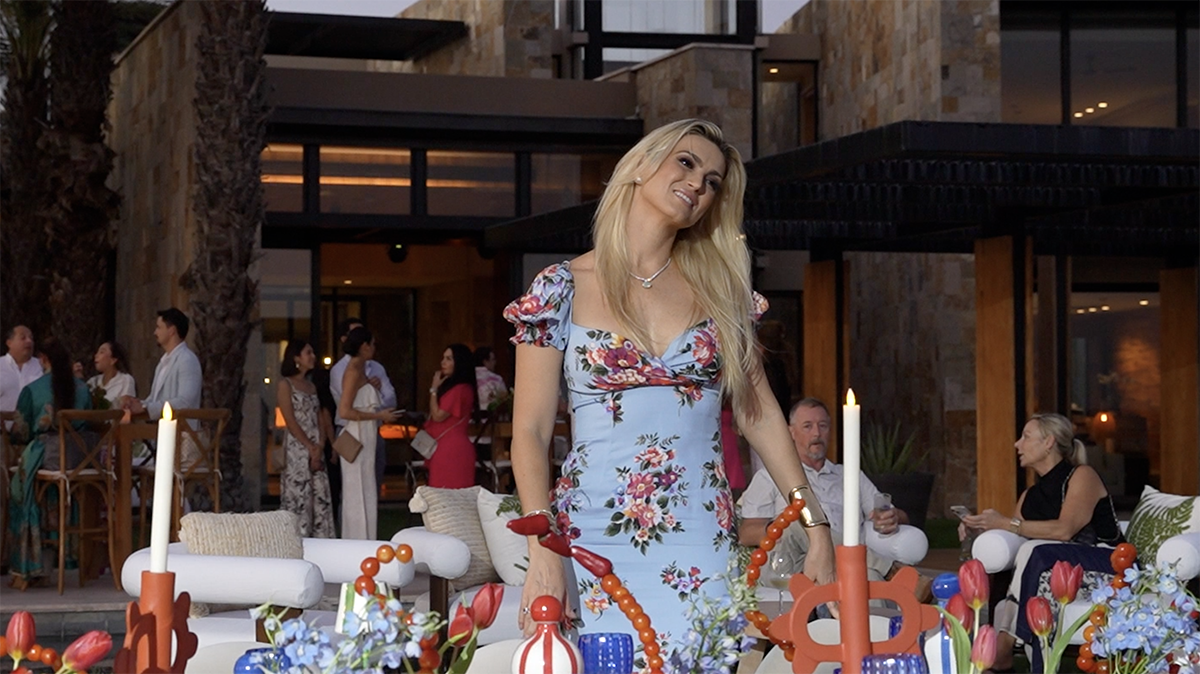
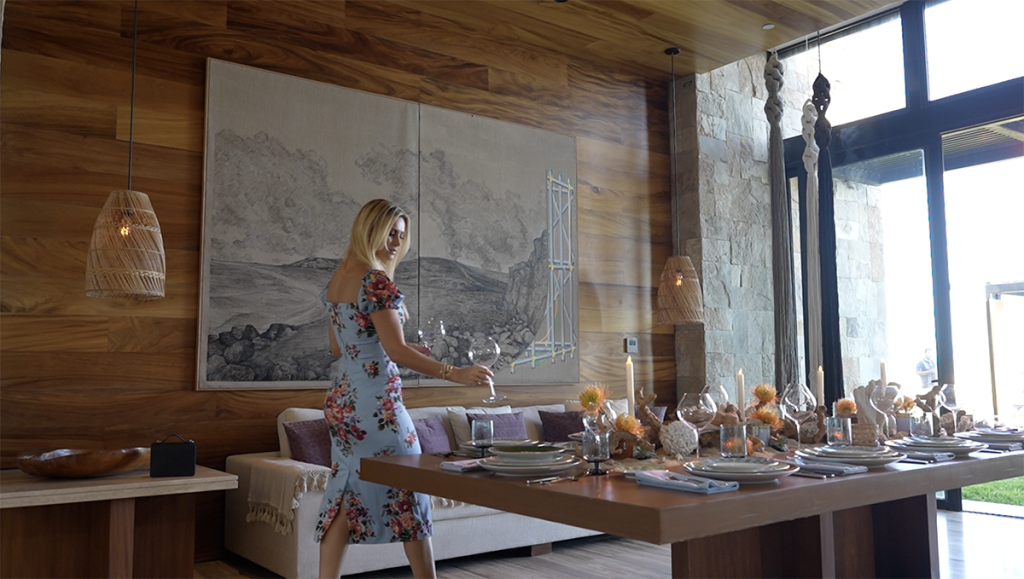
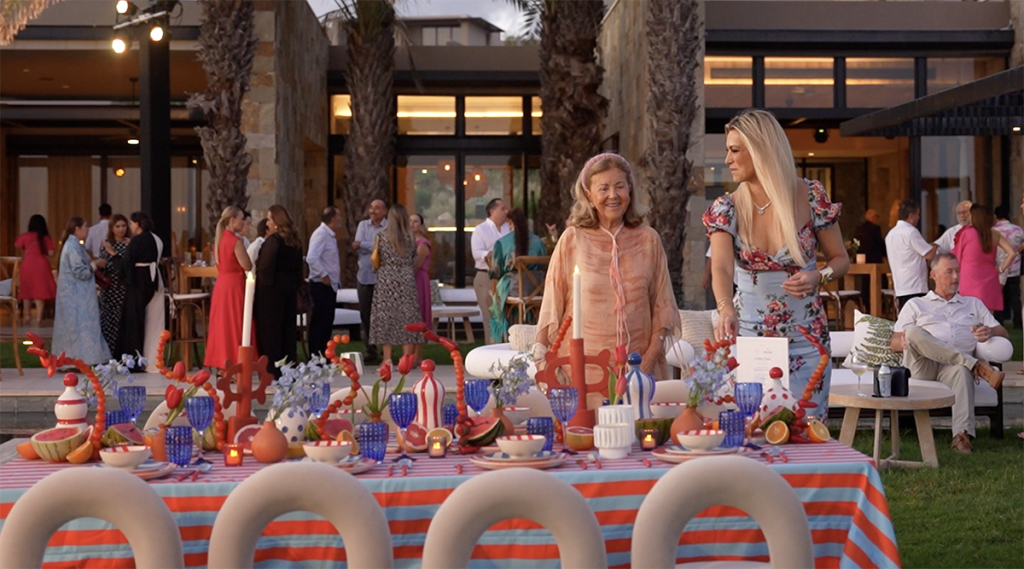
One of the evening’s highlights was the presentation of three tablescapes inspired by the author’s vision, developed in collaboration with Siscani Group and Aria Vera.
Each offered a distinct interpretation of elegance, demonstrating how memorable tables can be created through different materials, colors, and objects.
The first table, featuring Italian porcelain by Ginori 1735, stood out for its refinement and artistic inspiration.
The Il Viaggio di Nettuno collection, with its references to classical mythology, introduced a combination of colors, shapes, and decorative elements that challenged the traditional notion of perfectly matched table settings.
María Elena found a special connection between this Italian brand and Mexico: a shared appreciation for craftsmanship, tradition, and the value of thoughtfully handmade pieces.
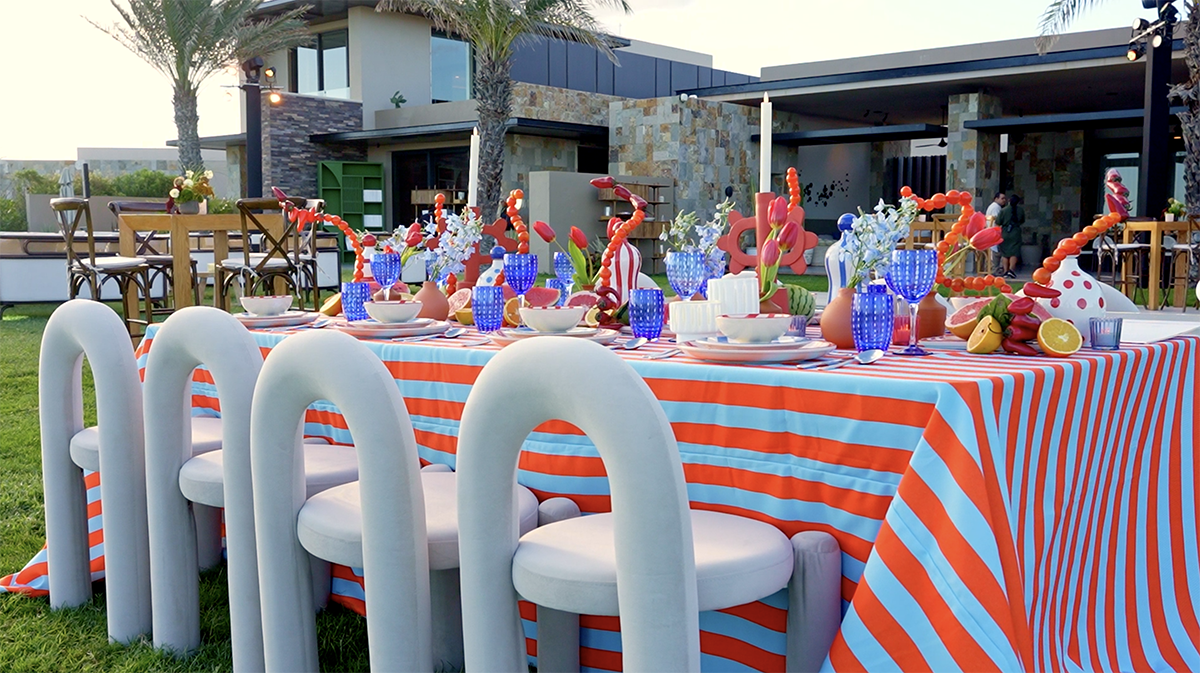
The second tablescape embraced a playful, spontaneous spirit, combining stripes, vibrant colors, fruit, and flowers to demonstrate that beauty can also be found in everyday objects.
The author encouraged guests to use items already available at home, bring treasured pieces out of storage, gather flowers from their gardens, and experiment with unexpected combinations.
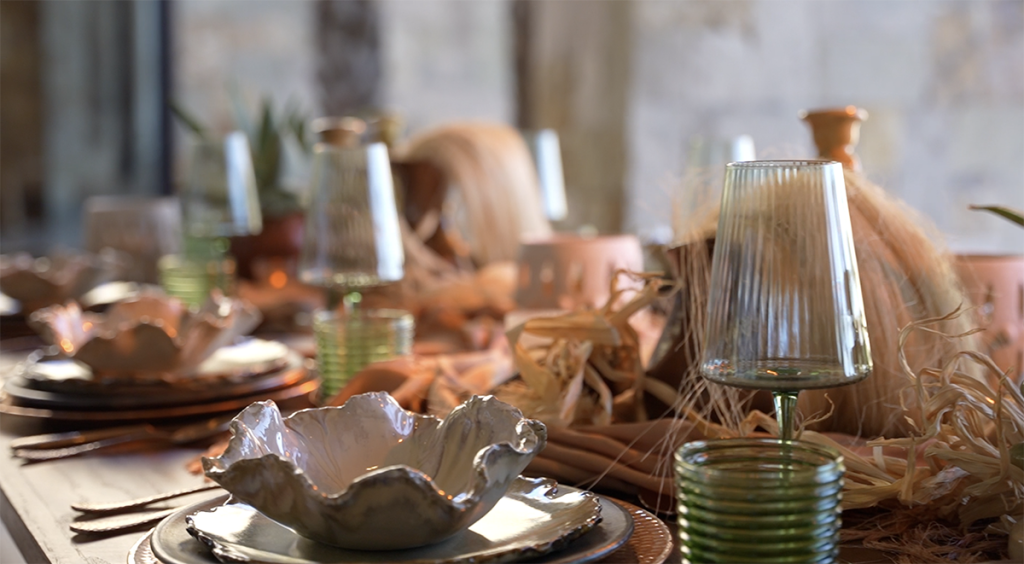
The third table paid tribute to Mexico, incorporating pottery, copper, textiles, and handcrafted pieces that celebrated the country’s rich artisanal heritage.
This setting held particular significance for María Elena, who emphasized the importance of recognizing Mexican artisans and giving their creations the place they deserve within the worlds of design and luxury.
Floral Design as Part of the Experience
The work of Aria Vera, led by Luca Ravera, brought a natural and artistic dimension to each setting.
For the Ginori table, inspiration came from the sea, incorporating organic elements, flowers, and succulents that evoked the shapes and textures of the marine environment.
The colorful tablescape explored abundance through fruit, flowers, and unconventional combinations, while the Mexican-inspired setting drew from traditional materials and objects commonly found in markets throughout the country.
During the conversation, Luca shared an important perspective on floral design: arrangements should always serve the purpose of the gathering.
At a dining table, the height and composition of floral arrangements should allow guests to see one another and converse comfortably.
In this way, design becomes more than decoration. It becomes an essential part of the hospitality experience.
True Luxury Lies in the Details
Simonetta reflected on her collaboration with María Elena, highlighting the clarity of the author’s creative vision.
Accustomed to working with artists, chefs, architects, and interior designers, she saw this project as an opportunity to demonstrate how thoughtful curation and attention to detail can transform an experience.
Throughout the discussion, a shared idea emerged: luxury is not necessarily defined by the price of an object, but by the thought and care behind every choice.
María Elena reinforced this perspective by reminding guests that entertaining is not about achieving perfection.
A simple meal, a lovingly prepared table, or a cherished family heirloom brought out for a special occasion can communicate far more than an elaborate setting.
The true meaning of hospitality lies in making guests feel that they have been genuinely considered and welcomed.
Mexican Hospitality: A Tradition Worthy of Global Recognition
One of the evening’s most significant revelations came when María Elena shared the next initiative she hopes to pursue.
After researching the history of Mexican gastronomy and traditions, she identified hospitality as a cultural expression deserving greater recognition.
Her goal is to conduct the necessary research and engage with the appropriate organizations to explore the possibility of having Mexican hospitality, understood as a way of building community, recognized as part of humanity’s cultural heritage.
The initiative reflects a deeply rooted characteristic of Mexican culture: the willingness to share, open one’s home, and make others feel welcome.
During the discussion, Claudia del Pino highlighted the connection between this vision and the tourism identity of Los Cabos, a destination where hospitality has become one of its defining attributes, supported by an industry committed to ongoing training, professional development, and service excellence.
Her remarks connected María Elena’s vision with Los Cabos’ evolution as an international tourism destination, where the art of welcoming guests is an essential part of its identity.
Women Who Inspire and Open Doors
The event also featured Ivette Bonifaz, national president of the Mexican Association of Women Entrepreneurs (AMEXME), who delivered a message recognizing María Elena Torruco Garza’s achievements.
During her remarks, she highlighted the ability of Mexican women to build businesses, preserve their cultural identity, and develop projects that transcend borders.
She also shared important news for Baja California Sur: Los Cabos will host the 74th FCEM World Congress in October 2027, bringing together women entrepreneurs from countries around the world.
The national president of AMEXME encouraged attendees to join forces in showcasing the talent, leadership, and strength of Mexican women on the international stage.
A Tribute to Those Who Make Hospitality Possible
One of the evening’s most moving moments came when María Elena expressed her gratitude to the many people whose work makes hospitality experiences possible.
She recognized artisans, servers, chefs, production teams, and collaborators who often remain behind the scenes but contribute their talent and dedication to creating memorable moments.
She also shared a heartfelt tribute to her father, Miguel Torruco Marqués, former Secretary of Tourism of Mexico, whom she acknowledged as a fundamental influence on her love for the country and the values of service that have shaped her journey.
The presentation also included a charitable component, with the announcement that a portion of the proceeds from book sales during the evening would benefit Fundación de Michelle, an organization associated with supporting individuals with Down syndrome.
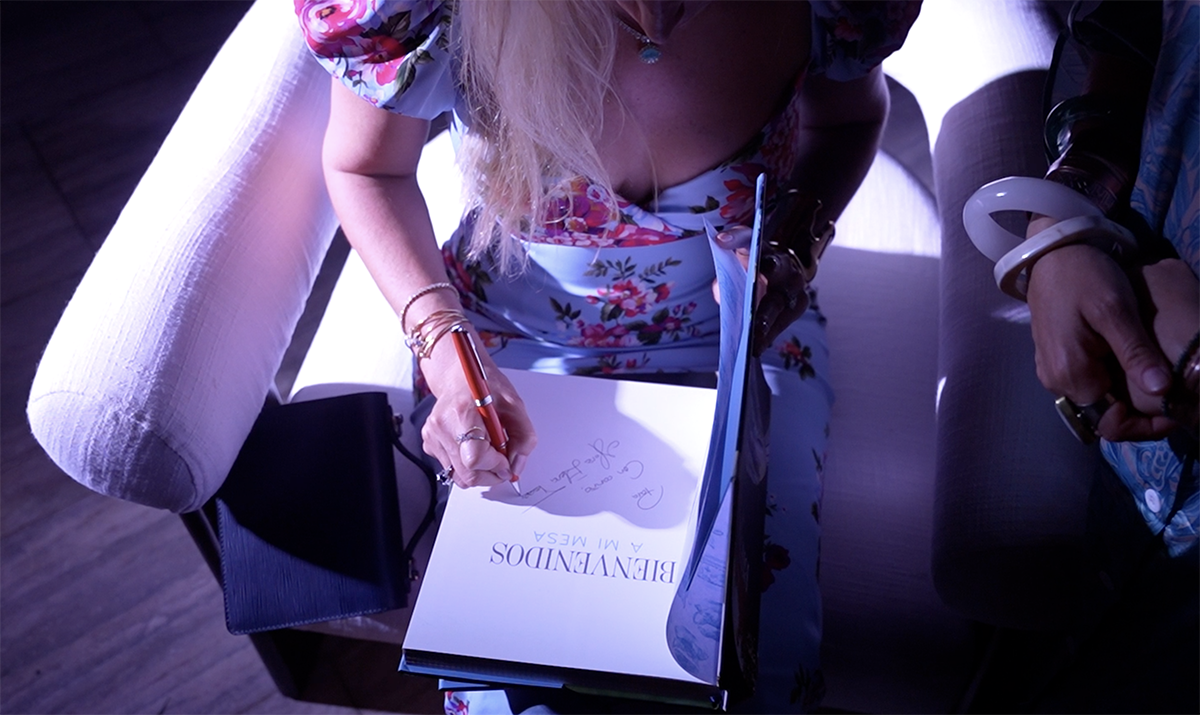
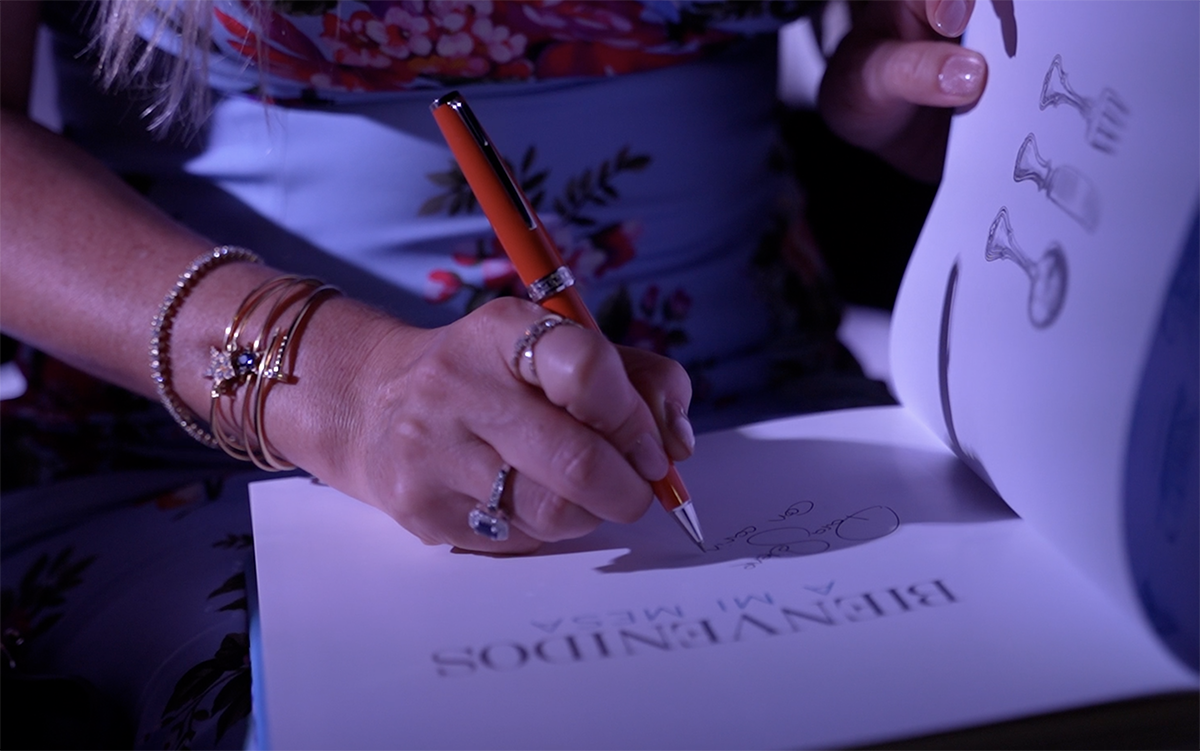
Guests had the opportunity to purchase the book and receive a personalized dedication from the author.
Los Cabos: Where Culture and Hospitality Come Together
The evening was made possible through the collaboration of Siscani Group, Aria Vera, and the many brands, professionals, and partners involved in bringing the event to life, including Tendencia, Ocean Blue, and Rojo Hospitality.
Beyond the book presentation, the gathering offered an opportunity to reflect on a quality that distinguishes Mexico: its ability to transform the act of welcoming others into an expression of identity, affection, and generosity.
Bienvenidos a mi mesa reminds us that traditions remain alive when we share them and that the most valuable objects are often those connected to our memories.
Because, ultimately, an extraordinary table is defined not only by what is placed upon it, but by the people it brings together and the stories that unfold around it.