The discussion at Casa Martín highlighted the legacy of traditional cooks and unveiled plans for the first culinary gathering of “Sabores que migran, raíces vivas,” scheduled for May 2027.
In Miraflores, people once made a guava sweet whose recipe was lost when the last person who knew how to make it died, recalled Jorge Aníbal Amador Castro, acting head of the Municipal Chronicle Office for the 15th Municipal Government of Los Cabos. His story raised a question that ran through much of the discussion. How can the recipes still prepared in homes and communities across Los Cabos be passed on to future generations?
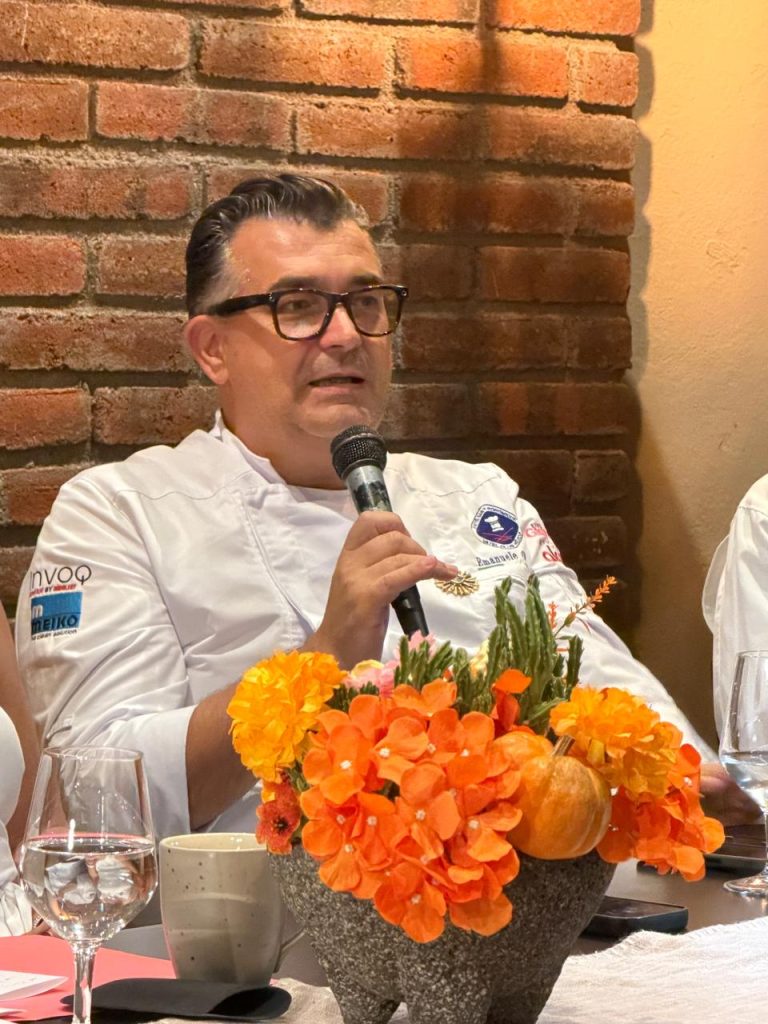
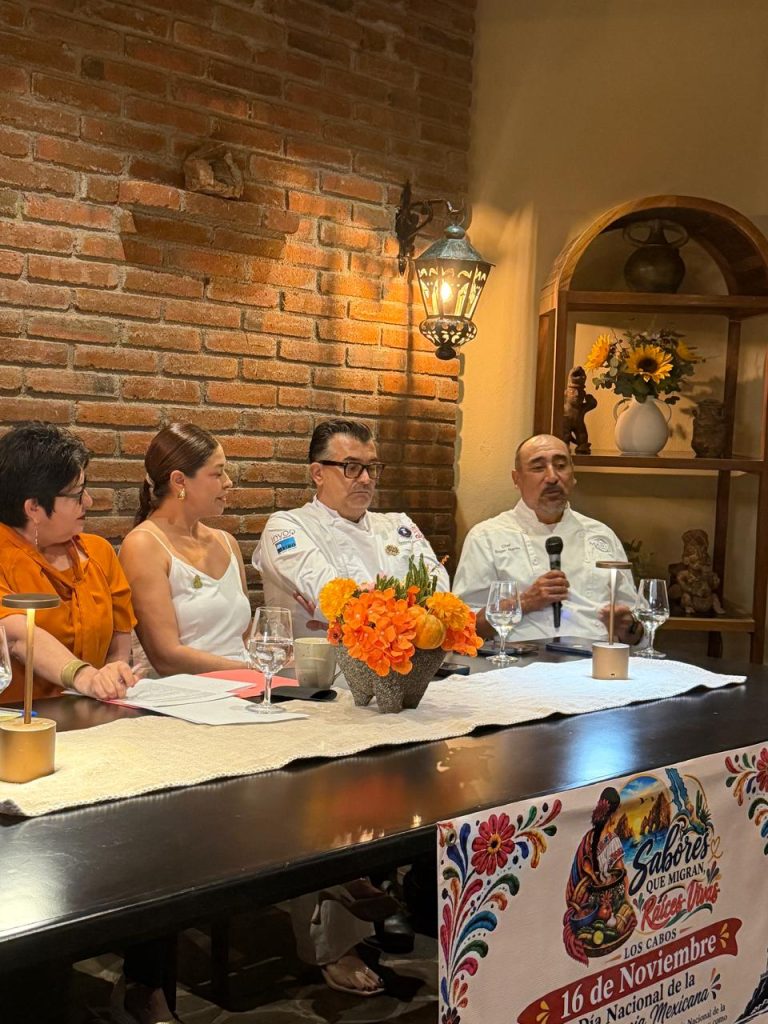
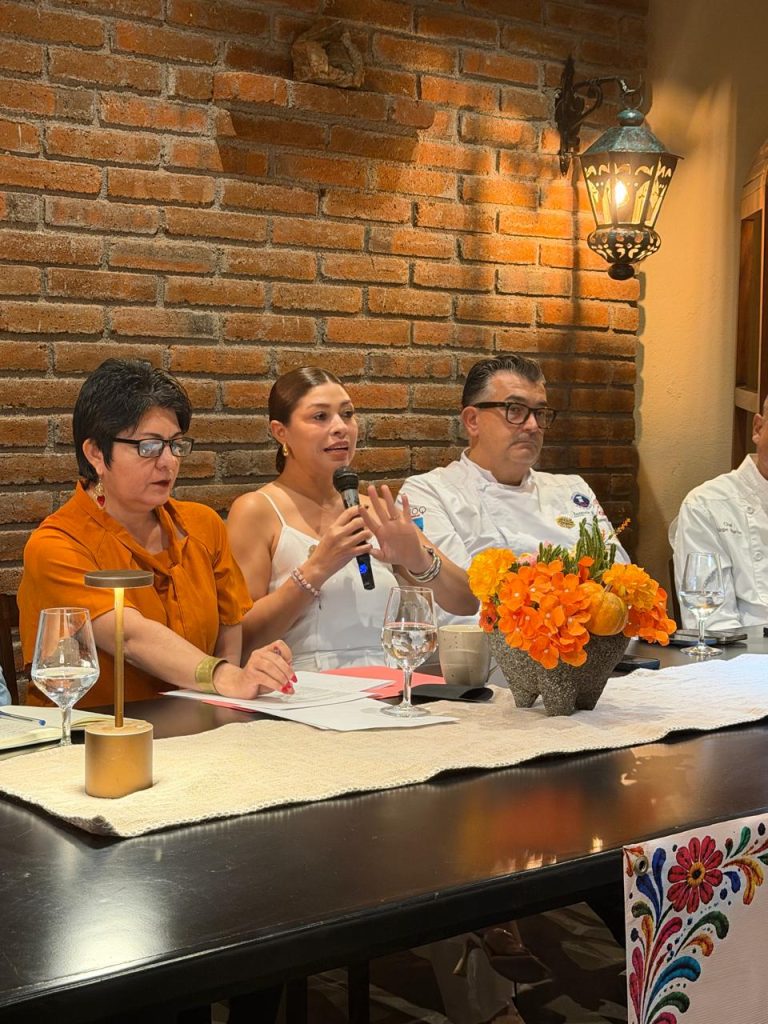
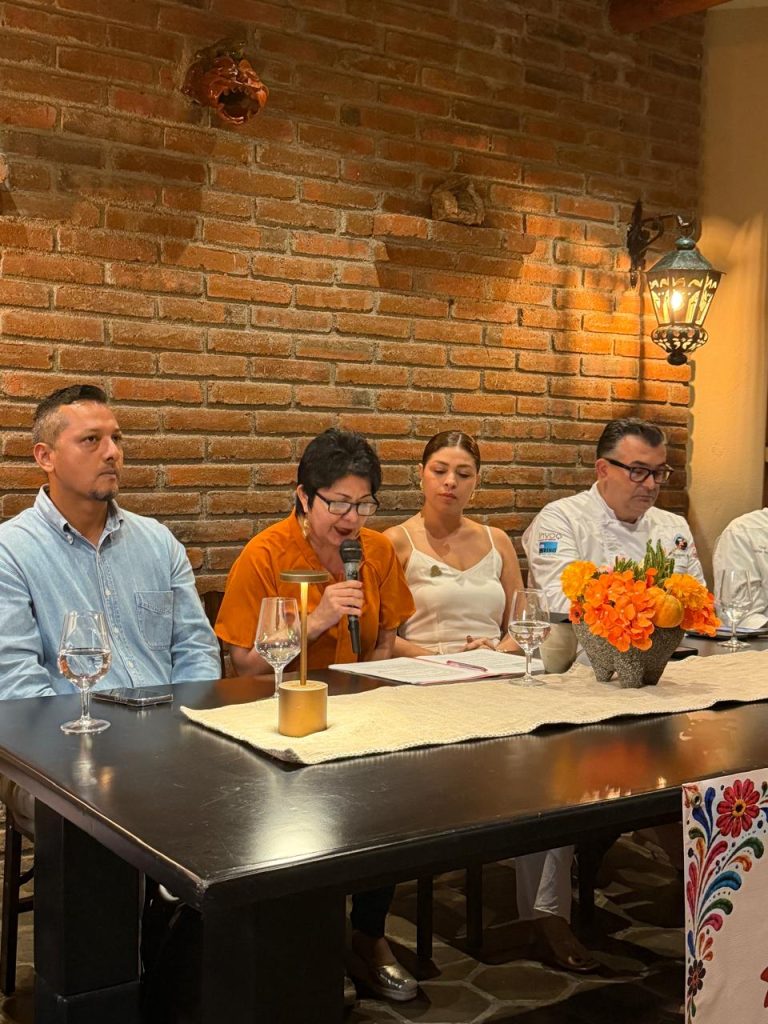
On November 18, 2026, Casa Martín in Cabo San Lucas hosted “El debate también se sirve,” a discussion on traditional Mexican cooking. Joining Violeta Ocampo Hernández, general director of “Sabores que migran, raíces vivas,” were Ileana Gavarain Agúndez, a traditional cook from Baja California Sur, and nutritionist Diana Peñuelas, representing AMEXME Los Cabos. The panel also included Chef Emanuele Oliveroof Sunset Monalisa, representing Club Vatel, and Chef Roger Martín, the event’s host. Gilda Badillopromotion and outreach coordinator for the Cabo San Lucas
What We Learn at the Stove
Ileana Gavarain Agúndez spoke about how much she admires a fellow cook’s barbacoa and how she would love to learn to make it the way he does. “You teach me, and I’ll teach you,” she said, explaining why cooks need more opportunities to get together and share what they know. For the occasion, she served beef birria with sopa pobre and choyero-style beans, a local Baja California Sur preparation.
Panelists proposed documenting recipes in writing and on video, introducing children to regional ingredients through cooking classes, and including local culinary traditions in culinary school programs. Chef Emanuele Olivero recalled watching videos of a young woman filming her grandmother as she prepared the dishes she had always cooked on a wood-burning stove. The example showed how video can capture details that rarely make it into an ingredient list, such as the right consistency of a dough or how to tell when a stew is ready.
Nutritionist Diana Peñuelas recalled that while she was hospitalized in London, what she wanted most was chicken soup. When she returned home, it was the first thing she asked her mother to make. Drawing on that experience, she spoke about the value of cooking with fresh regional produce and teaching children to recognize and prepare the foods available to them.
Chef Roger Martín spoke about the childhood memories that inspire some of his dishes and the role restaurants can play in featuring local ingredients. He mentioned locally caught fish and his work with producers in Miraflores. He also described how experience guides a cook through a recipe. When making mole, for example, practice teaches you how much of each ingredient to add.
Sabores que migran, raíces vivas
The discussion explored how the cuisine of Baja California Sur shares a table with traditions brought by people who have moved to Los Cabos from other parts of Mexico. One speaker asked what Moctezuma might recognize in a taco al pastor with lime or in a bowl of rice pudding. The question opened a discussion about how ingredients from other parts of the world, including lime, onions, cilantro, and rice, became part of Mexican cooking. That exchange continues in Los Cabos, where recipes from across Mexico meet local ingredients and culinary knowledge
Violeta Ocampo Hernández presented plans for the first culinary gathering of “Sabores que migran, raíces vivas,” scheduled for May 2027. The initiative will invite traditional cooks from different states across Mexico who now live in Los Cabos. Guests will be able to taste their dishes, hear their stories, and learn who taught them to cook. In the long term, the project aims to bring together culinary traditions from all 32 federal entities in Mexico.
Recognizing the Skills of Traditional Cooks
The panel also discussed promoting professional certification for traditional cooks. A representative of the Baja California Sur Institute for Worker Training explained that competency assessments can formally recognize knowledge and skills gained through hands-on experience, without requiring a professional degree.
The memory of Miraflores’ guava sweet gave the May gathering a tangible purpose. Bringing together the people who still make their communities’ traditional dishes offers a chance to record how they prepare them, learn who taught them, and pass the recipes on to those who will keep cooking them.