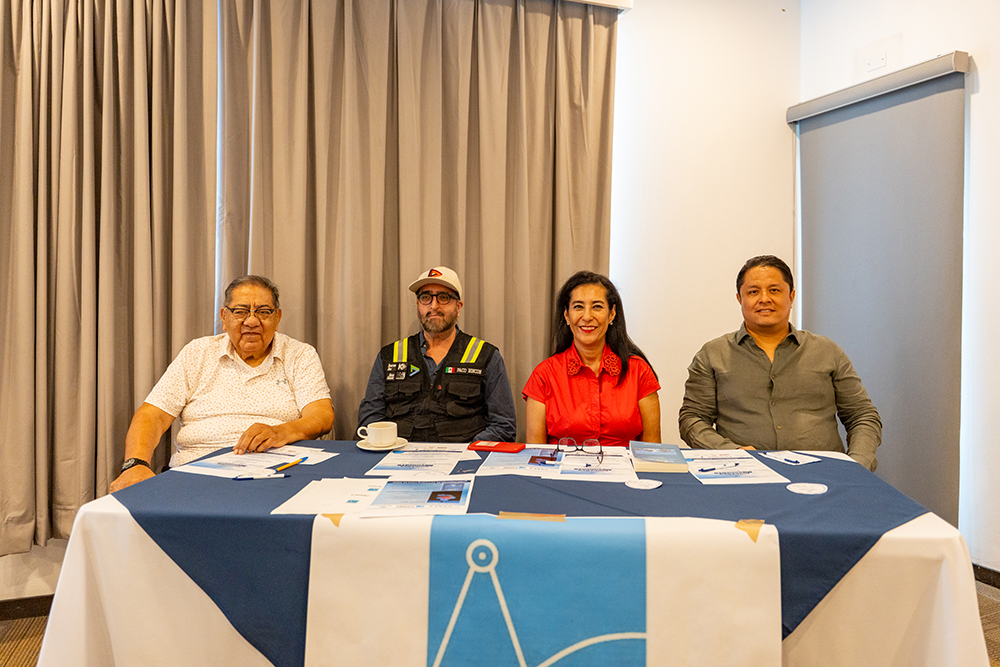
In celebration of Architect’s Day, the Colegio de Arquitectos del Mar de Cortés will bring together specialists to reflect on the urban challenges facing Los Cabos and Baja California Sur, from accessibility and mobility to planning cities that are prepared for growth.
Talking about the future of Los Cabos means talking about mobility, accessibility, infrastructure, and planning. In a destination that continues to grow, thinking beyond immediate needs has become one of the main challenges for architects, urban planners, government authorities, and the community.
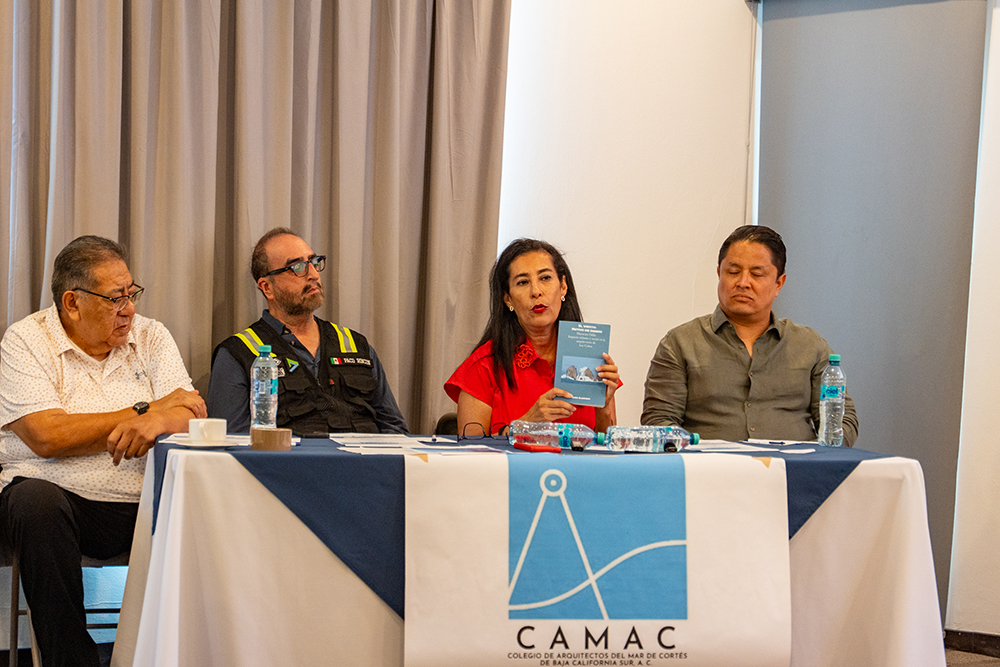
With this vision, the Colegio de Arquitectos del Mar de Cortés de Baja California Sur, A.C. (CAMAC) announced its conference series, “Cities in Motion: Urban Design and Mobility Systems,” to be held on October 2 at the Casa de la Cultura in San José del Cabo, as part of the activities commemorating Architect’s Day.
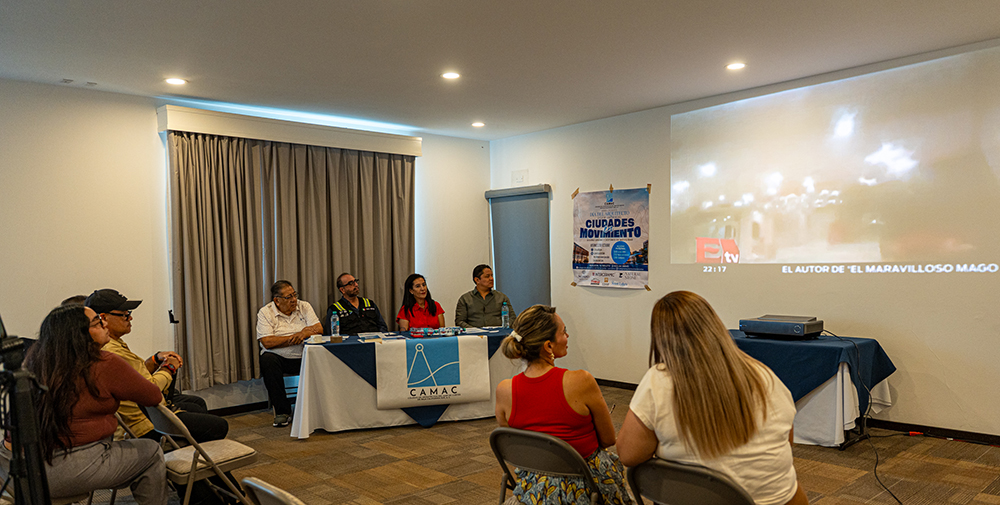
During the press conference, representatives from architecture, urban planning, and inclusion agreed on one central idea: city growth must be matched by infrastructure, accessibility, and planning that anticipate the needs of the people who live there.
A City Everyone Can Experience
One of the event’s central topics will be inclusive mobility.
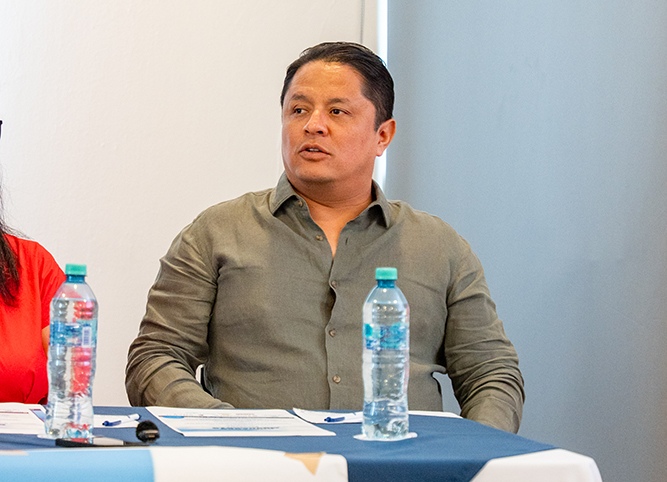
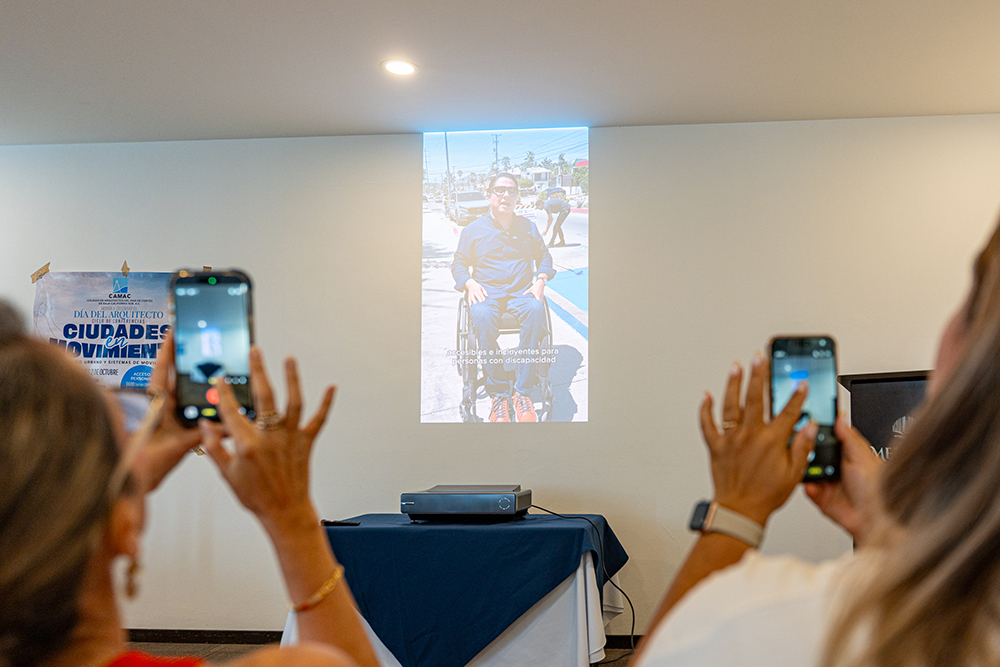
Fernando Altamirano, director of the Los Cabos Municipal Institute for the Development and Inclusion of People with Disabilities, emphasized that mobility should be understood as something that enables people to exercise other fundamental rights: studying, working, accessing services, and participating fully in city life.
From this perspective, a sidewalk, ramp, pedestrian crossing, or accessible public transportation system is no longer simply infrastructure; it becomes an essential element of inclusion.
Altamirano noted that Los Cabos still faces significant opportunities for improvement, particularly in public transportation and urban infrastructure for people with mobility disabilities.
The goal, he explained, is to move toward a city where public and privately owned spaces open to the public—including hotels, restaurants, shopping centers, banks, and tourism services—incorporate accessibility criteria from the design stage.
This approach is particularly relevant for an international tourism destination such as Los Cabos.
Accessibility is not only a matter of social responsibility. It can also boost tourism competitiveness by allowing travelers with disabilities, older adults, and people with specific accessibility needs to experience the destination with greater independence and safety.
From Cars to a City Designed for People
The presentation also addressed the need to restore a human scale to cities. Contemporary urban design proposes a mobility hierarchy that places pedestrians and people with greater accessibility needs first, ahead of automobiles.
For the Colegio de Arquitectos, this discussion is part of a broader transformation within the profession. Architects, its representatives pointed out, do more than design and construct buildings; they are also citizens who experience traffic, water shortages, inadequate infrastructure, and mobility challenges firsthand.
This reality has led the profession to become increasingly involved in mobility, urban planning, and city development.
Even seemingly simple exercises can change the way a city is understood. During accessibility awareness workshops for architects, participants used wheelchairs or navigated spaces while blindfolded to experience some of the barriers faced by people with disabilities.
The experience shifted the conversation from regulations to everyday life: an accessible city is understood differently when people experience its obstacles firsthand.
Measuring the Territory to Plan Its Future
Another focus of “Cities in Motion” will be planning in Baja California Sur.
Mariano Lemus, representing Planifique, announced that the event will feature a presentation on information management and an indicator system developed to analyze the conditions and evolution of the state’s territory.
The tool integrates information on different aspects of urban and territorial development, from city growth to infrastructure, water, energy, connectivity, and services.
The premise is simple: what you cannot measure is difficult to plan.
In a state where cities and tourism destinations are growing rapidly, access to up-to-date information can help identify priorities, anticipate infrastructure needs, and guide public- and private-sector decision-making.
Los Cabos is one clear example.
The expansion of the urban footprint and increased mobility require simultaneous planning for roads, transportation, water, drainage, services, and infrastructure. Addressing just one of these components does not necessarily guarantee that the city will function effectively as a whole.
For this reason, one message was repeatedly emphasized during the press conference: urban planning must stay ahead of growth rather than simply react to its consequences.
Accessibility: An Opportunity for Los Cabos
Mariano Lemus, representing Todo Accesible, addressed another issue that is often overlooked in conversations about tourism: the barriers faced by travelers with disabilities.
Ramps with inadequate slopes, a lack of elevators, insufficient handrails, restrooms without the necessary dimensions, or routes that prevent independent movement can turn a vacation into a challenging experience. True accessibility requires considering the entire user experience.
For a destination such as Los Cabos, this opens an especially relevant conversation.
True tourism accessibility begins upon arrival at the airport and continues through transportation, accommodations, restaurants, recreational activities, and public spaces. It is not about addressing isolated points, but rather about building an accessible tourism value chain.
Architecture for a City That Will Continue to Grow
The October 2 program will feature specialists and institutions involved in urban planning, mobility, and accessibility, as well as a presentation by Dr. Daniel Pérez, an urban planning specialist and special guest.
“Cities in Motion” is intended for architects, engineers, urban planners, students, and anyone interested in city development. The Colegio de Arquitectos also announced special opportunities for students and access for outstanding university students.
Beyond celebrating Architect’s Day, the event opens a conversation Los Cabos needs to keep alive.
Building a city is not simply about constructing new buildings or expanding roads. It means asking ourselves how we want to move through it, how we want to live in it, and what quality of life we want to offer those who will be here ten, twenty, or thirty years from now.
And in a region that continues to transform rapidly, perhaps the most important question is no longer how much Los Cabos can grow, but how we want it to grow.