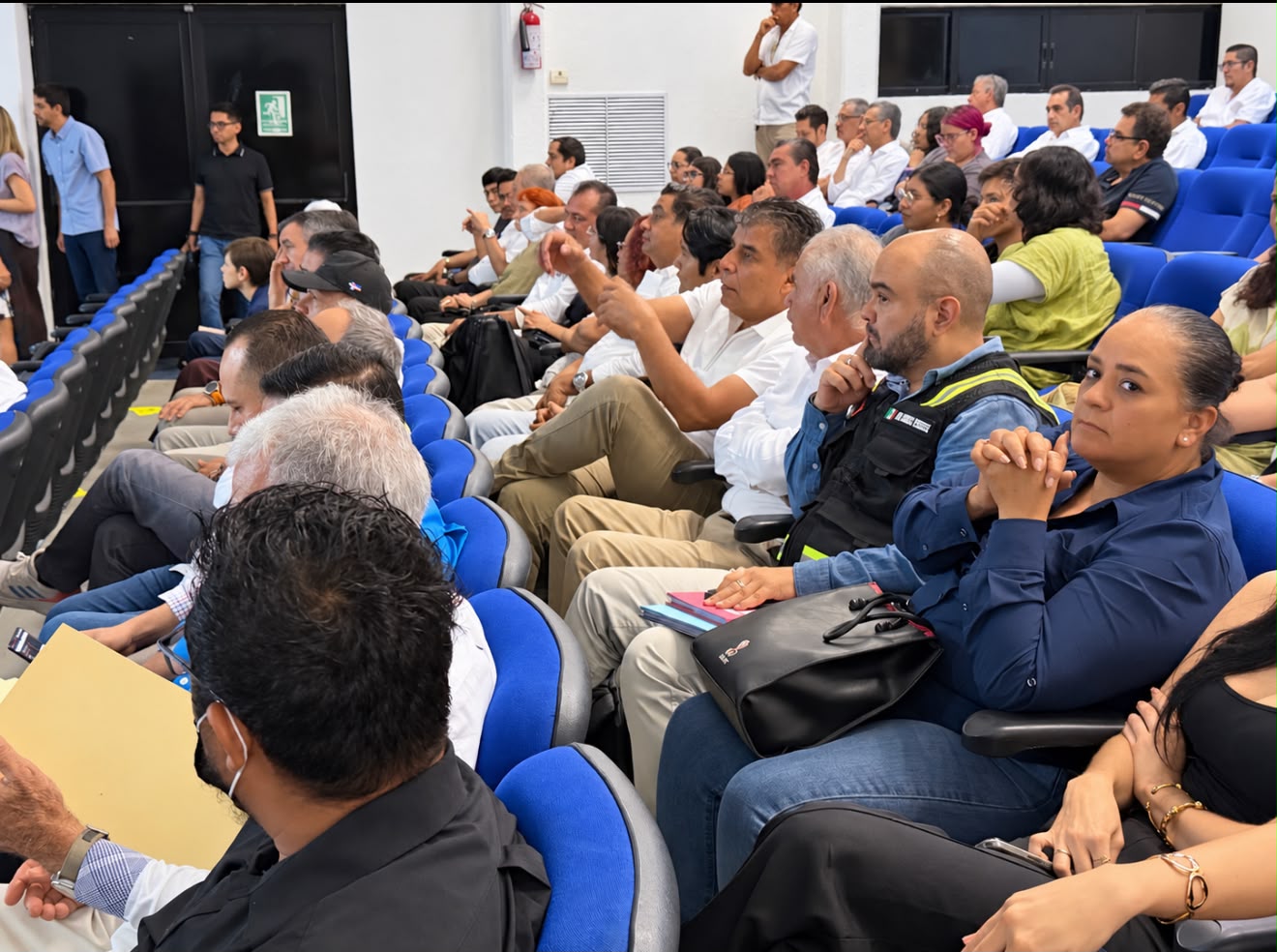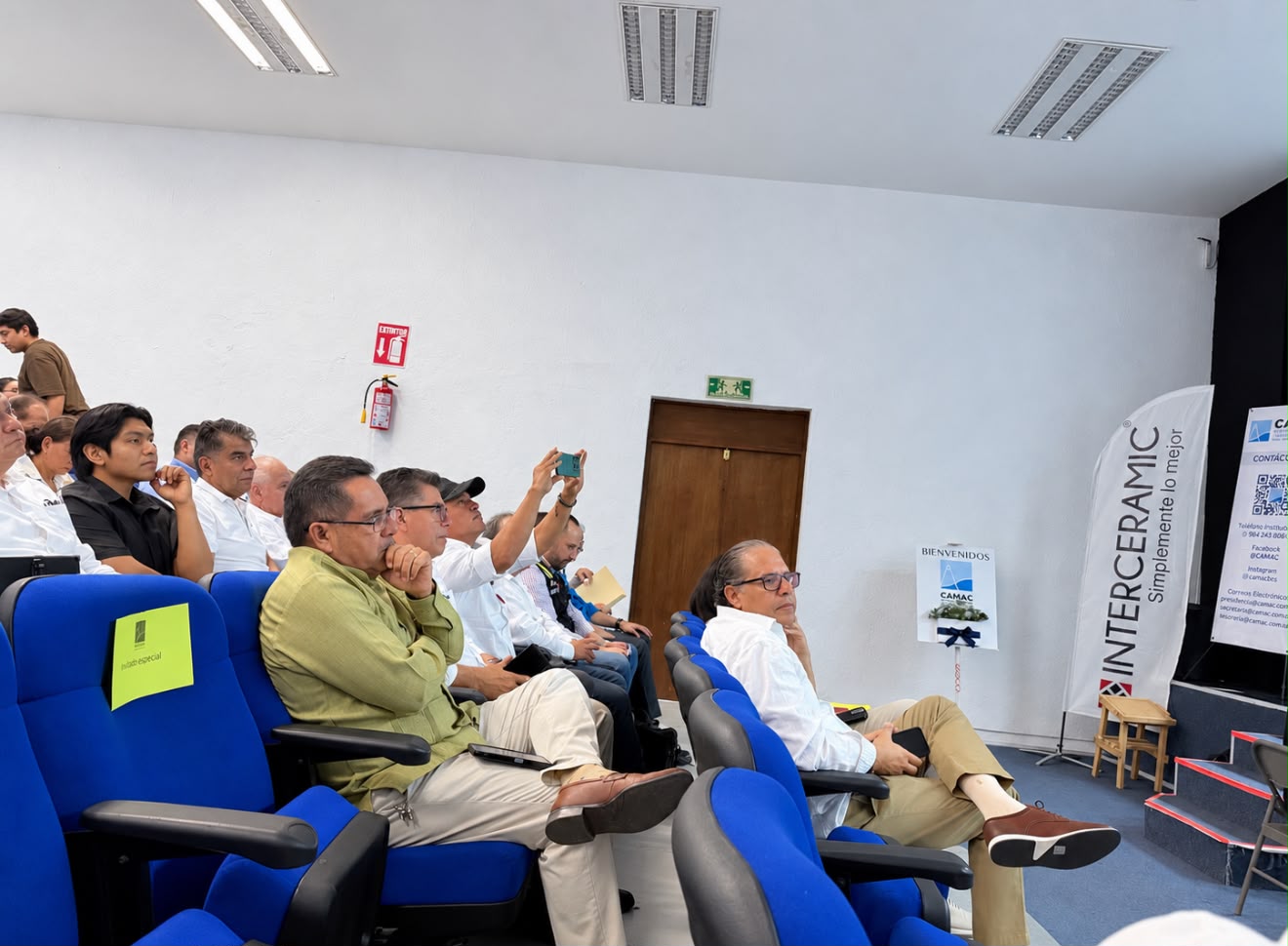
In celebration of Architect’s Day, the Colegio de Arquitectos del Mar de Cortés brought together perspectives and proposals to advance comprehensive planning for the destination and honored the career of Gastón Hugo Espinosa García.
San José del Cabo.— The growth of Los Cabos raises a question that goes beyond building new spaces: how to make the city work better for those who live in it and visit it. With this question as a starting point, the Colegio de Arquitectos del Mar de Cortés de Baja California Sur, A. C. (CAMAC), held its lecture series, Cities in Motion: Urban Design and Mobility Systems, at the Profesor Alfredo Green González Cultural Center.
Held in celebration of Architect’s Day, the event addressed road mobility, digital planning tools, universal accessibility, and the relationship between urban development and spatial planning. It also featured a tribute to architect Gastón Hugo Espinosa García for his professional career and contributions to the community.
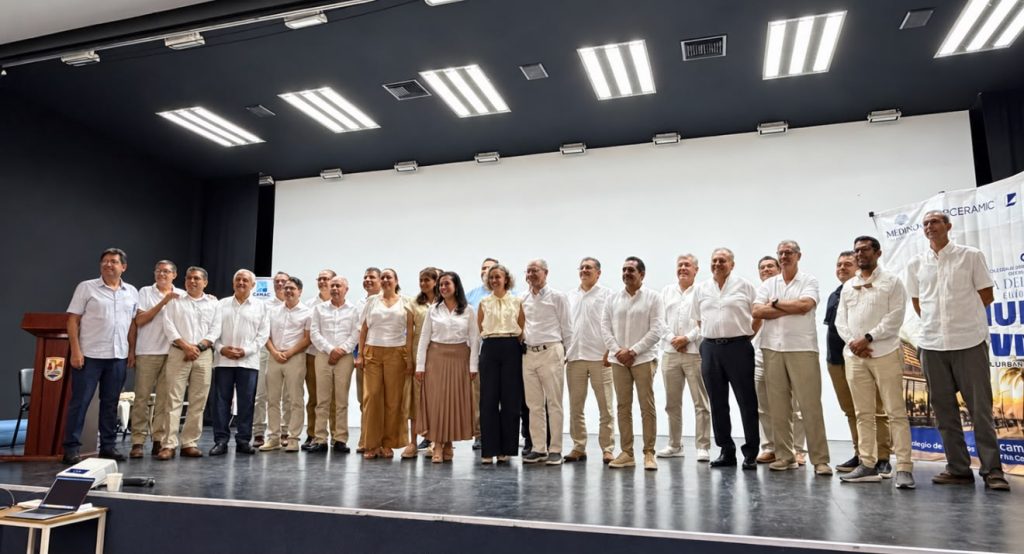
Architect Arturo Nasser served as master of ceremonies and invited Nora Alvarado, president of the Colegio de Arquitectos del Mar de Cortés, to welcome attendees.
Planning with Information to Make Better Decisions
Architect Beatriz González Gilberto, director of IMPLAN Los Cabos, opened the discussion on the Glorieta de las Mujeres Libres roundabout and the analysis of the proposed underpass. During her presentation, she emphasized the importance of grounding mobility alternatives in technical studies that assess their performance and anticipate the needs of a growing city.
Strategic digitalization was another central topic. Engineer Alejandro Flores León, who delivered the All In Baja Planifik presentation, introduced spatial planning tools that bring together mapping, indicators, and regulatory information to support decision-making.
The approach called for a broader assessment of project feasibility: considering water availability, electricity supply capacity, mobility, and the administrative processes associated with development alongside land use. Information, the presentation explained, becomes valuable when it helps clarify these relationships and translate them into concrete decisions.
Accessibility Begins with the First Line Drawn
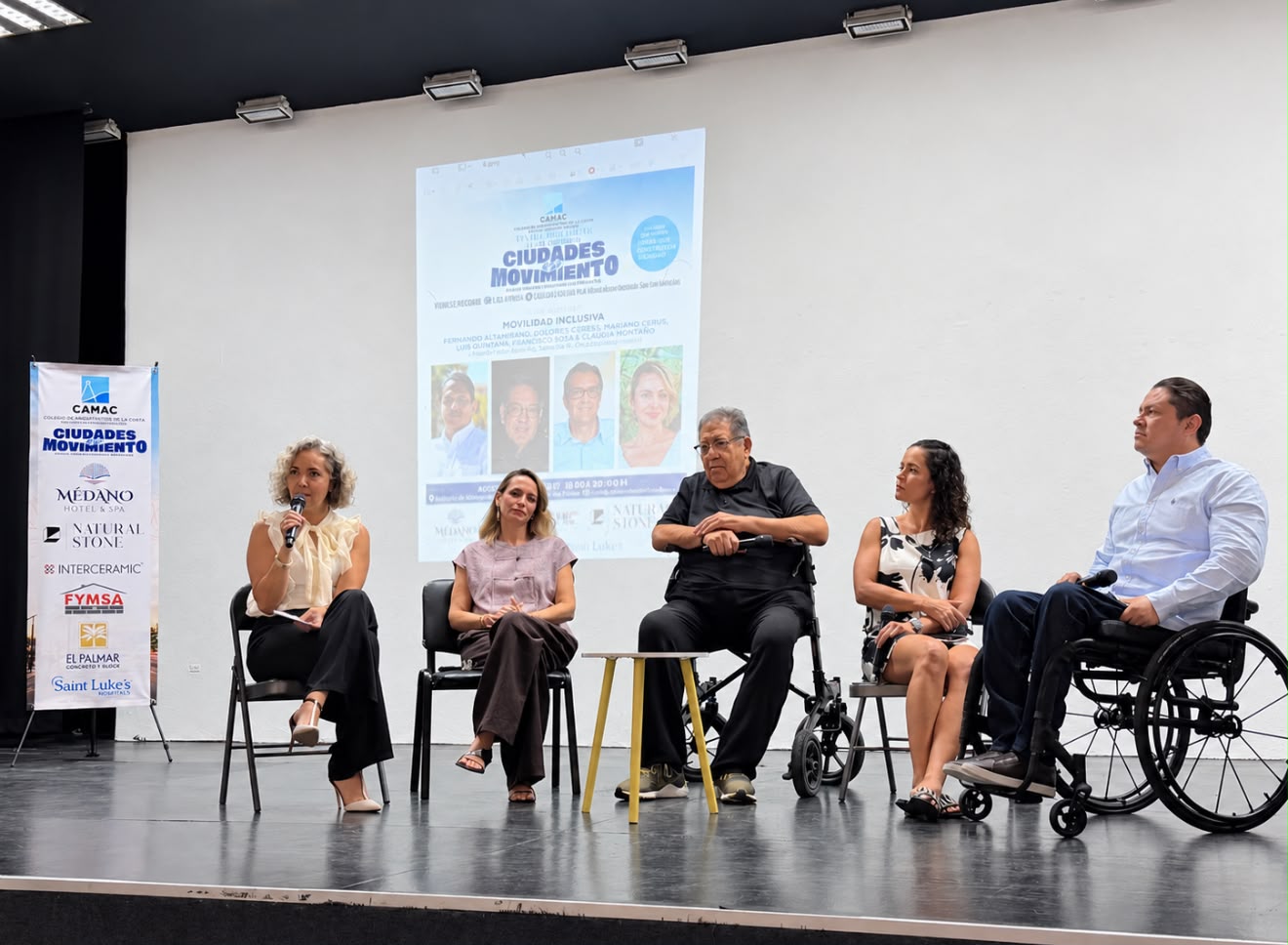
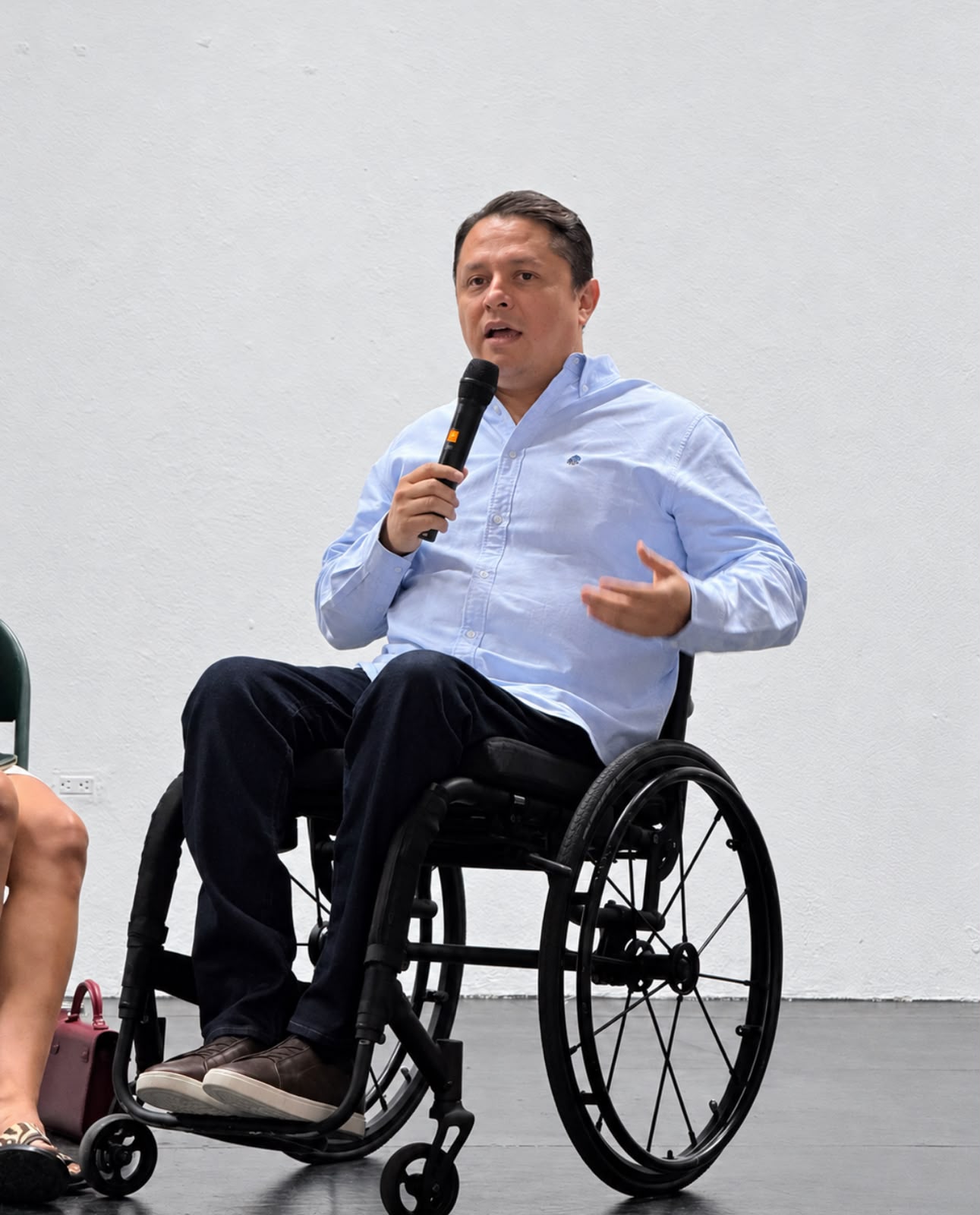
One of the event’s most meaningful moments was the panel discussion on inclusive mobility, moderated by architect Heidi Osuna of the Colegio de Arquitectos del Mar de Cortés. The conversation brought together institutional and professional perspectives with firsthand accounts from people who encounter physical barriers in their daily lives.
Contributions from Mariano Lemus and Claudia Montaño of Faces magazine highlighted the challenges that can arise even before arriving at an event or workplace: checking accessibility, finding a suitable place to exit a vehicle, unloading a wheelchair, and navigating an unobstructed route.
The discussion emphasized that accessibility must extend throughout the entire journey. A single ramp is insufficient if the rest of the space prevents people from moving safely and independently.
Fernando Altamirano, representing the Municipal Institute for the Development and Inclusion of Persons with Disabilities, and Marcela Rivera, representing Todo Accesible, stressed the need to strengthen regulations, make technical information available to professionals, and incorporate universal design from the earliest stages of every project.
The conversation also addressed the importance of accessibility for tourism and economic activity in Los Cabos. Accessible hotels, restaurants, offices, and public spaces create more opportunities for people with disabilities, older adults, and those accompanying them to participate.
A Comprehensive Approach to Spatial Planning
In his keynote address, Daniel Pérez Torres, who holds a doctorate in urbanism and is a professor at UNAM, explained how approaches to addressing urban challenges have evolved: from urban design to development planning and spatial planning.
His presentation emphasized the need to understand the relationships among human settlements, the natural environment, infrastructure, and social and economic dynamics. For Los Cabos, this perspective calls for collaboration across disciplines and consideration of factors such as climate change, risk, environmental conservation, and the capacity of essential services.
An Honor That Also Looks Ahead
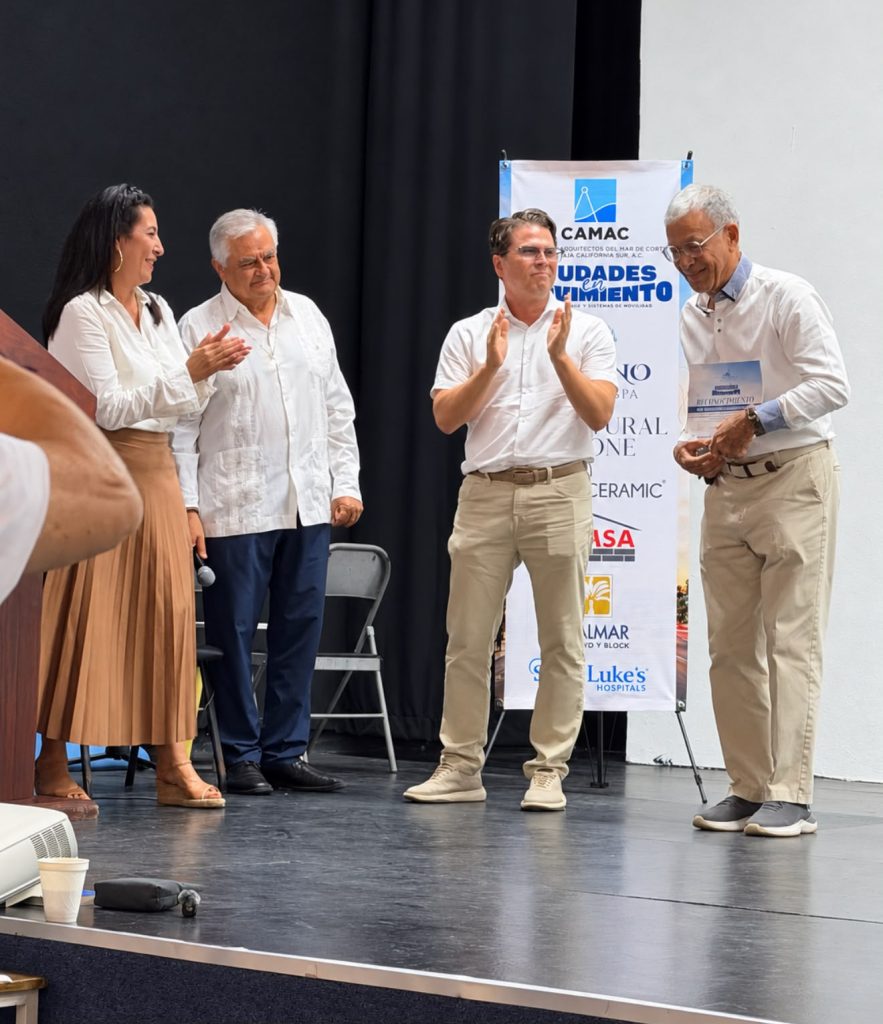
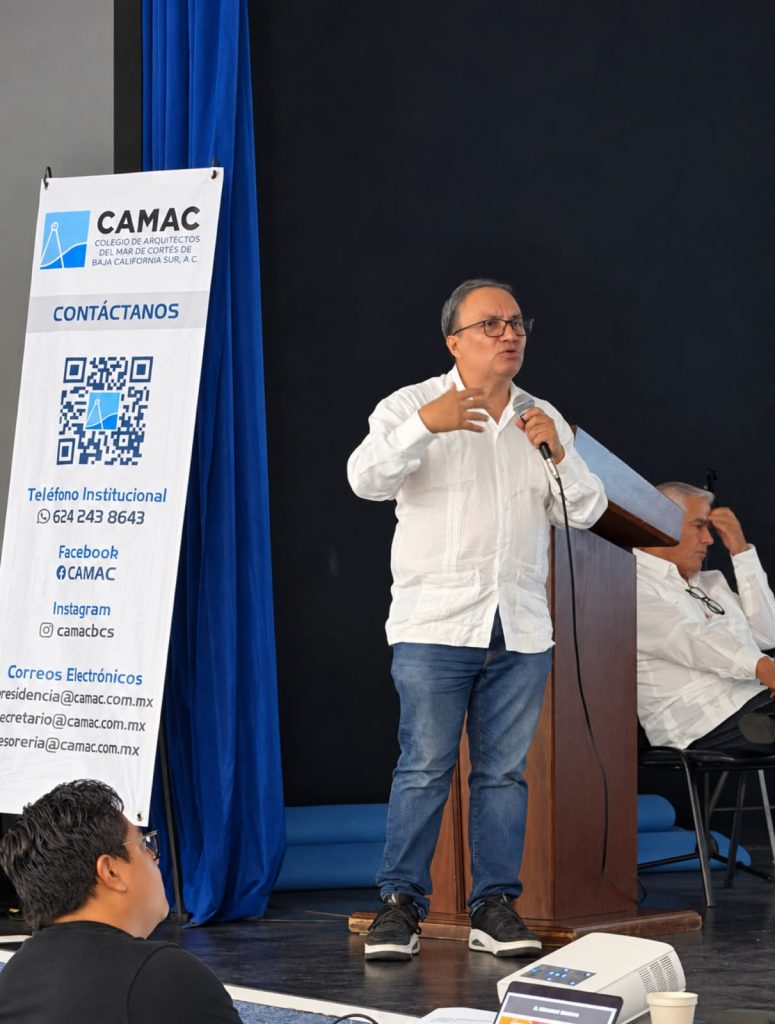
The event included a tribute to Gastón Hugo Espinosa García, honoring him as an architect emeritus in recognition of his professional achievements and service to the community.
In his remarks, the architect proposed advancing three priorities for the municipality: improving mobility; taking an integrated approach to drinking water, sewer systems, and stormwater conveyance; and promoting clean energy. He also encouraged fellow professionals to participate actively and engage the community in these issues.
The gathering underscored a shared responsibility: guiding the growth of Los Cabos through planning that connects infrastructure, the territory, and everyday life, while incorporating inclusion from the outset of every project.